Summary
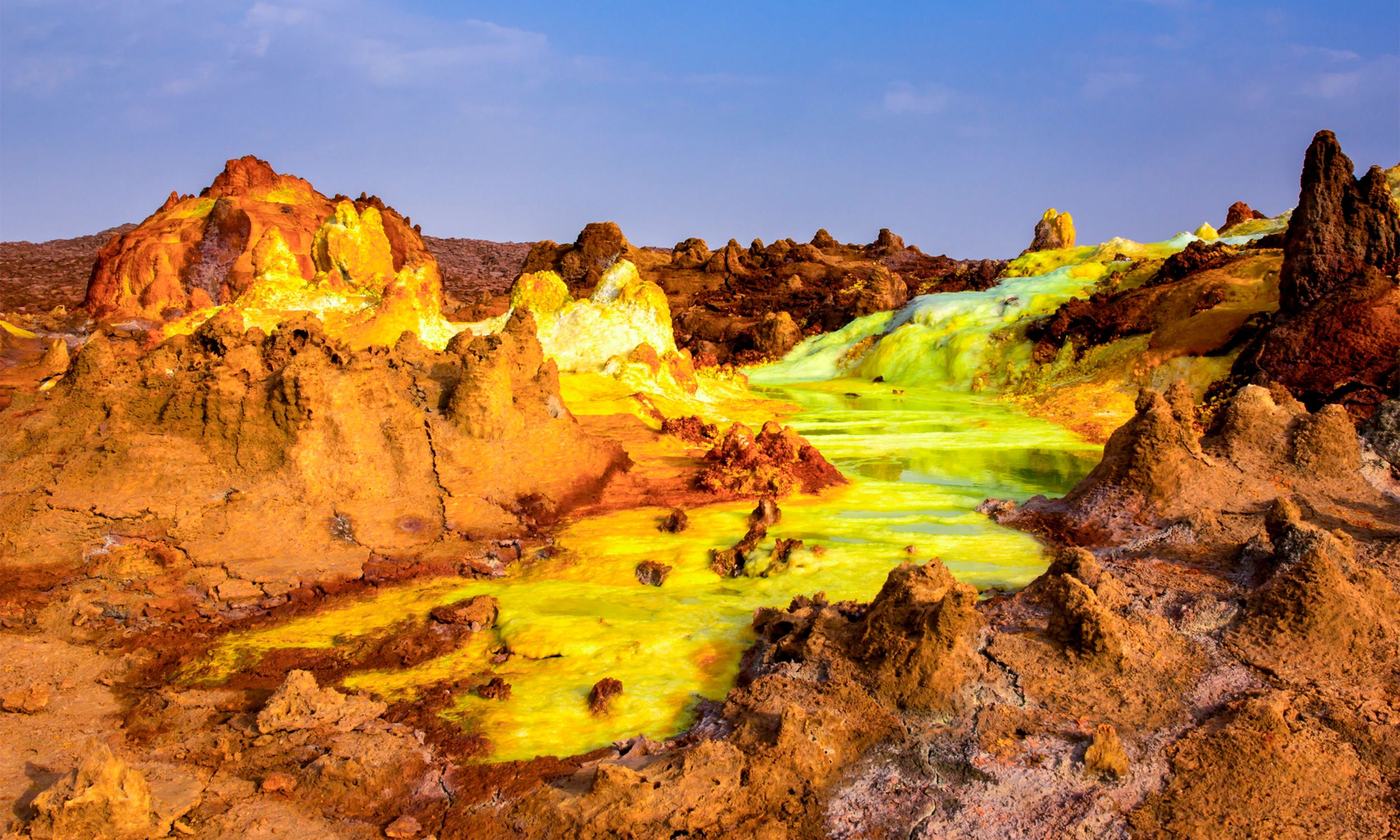
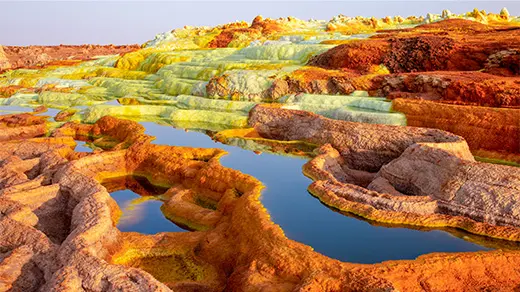
 The Danakil Depression in Ethiopia is one of the hottest, lowest, and driest places on the planet… and yet some life manages to survive there.
Wysiati/Alamy
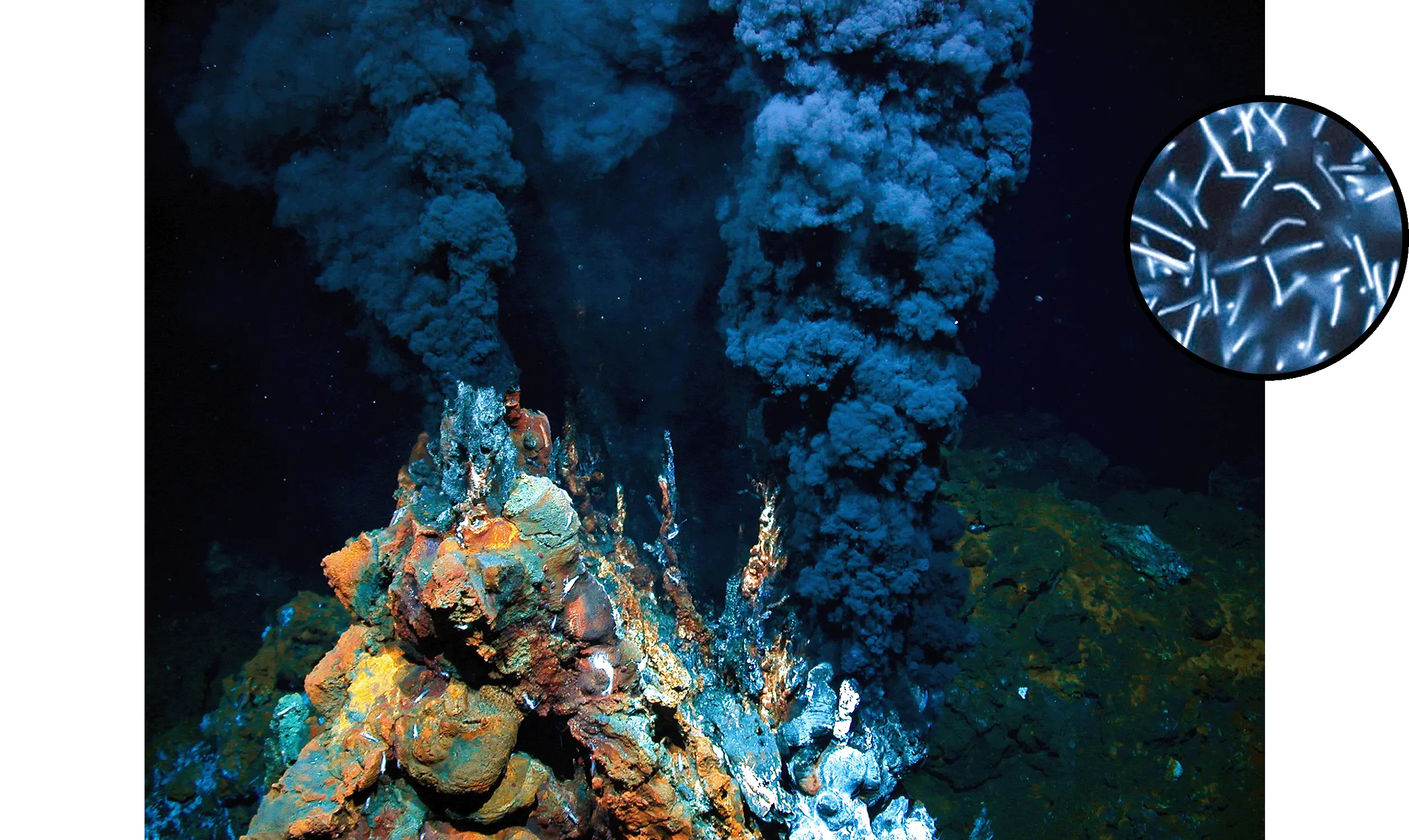
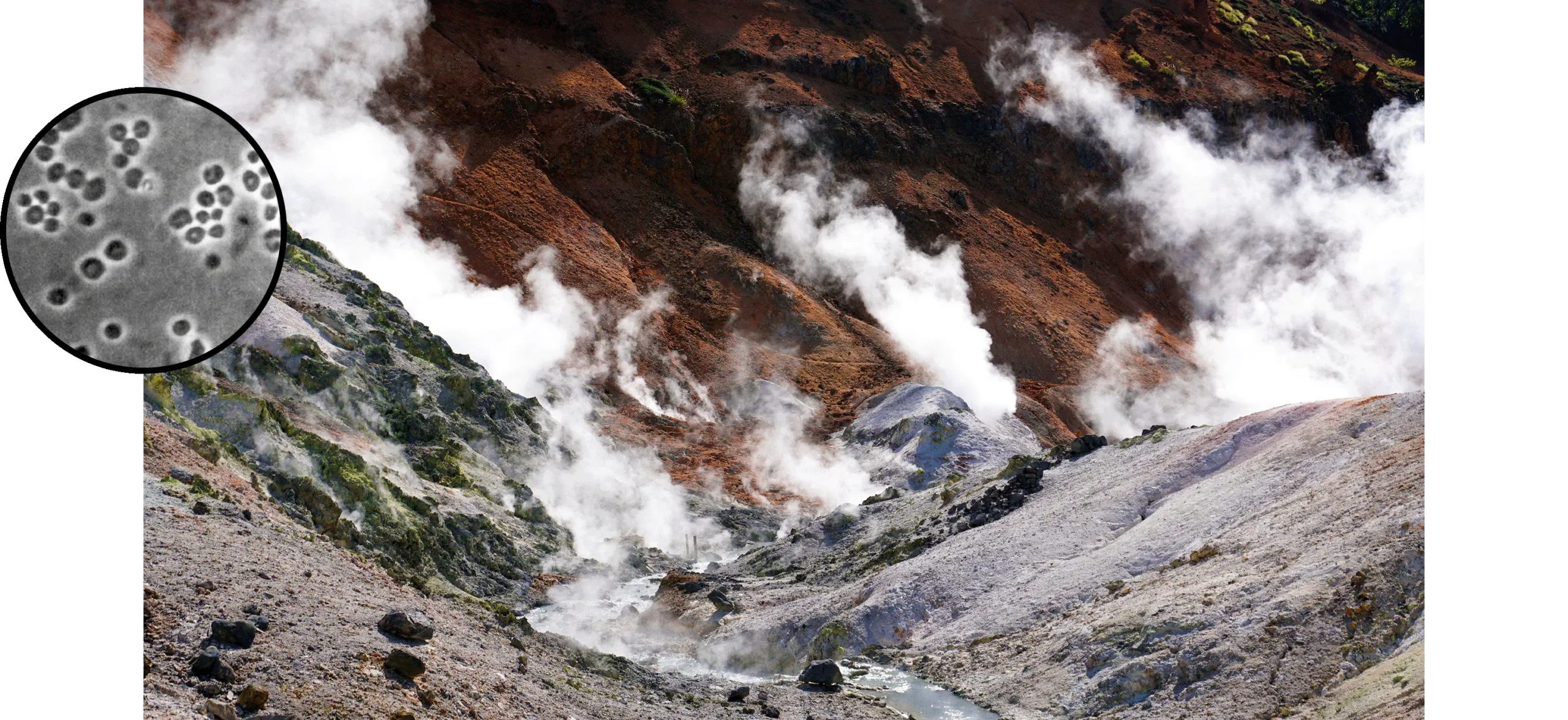
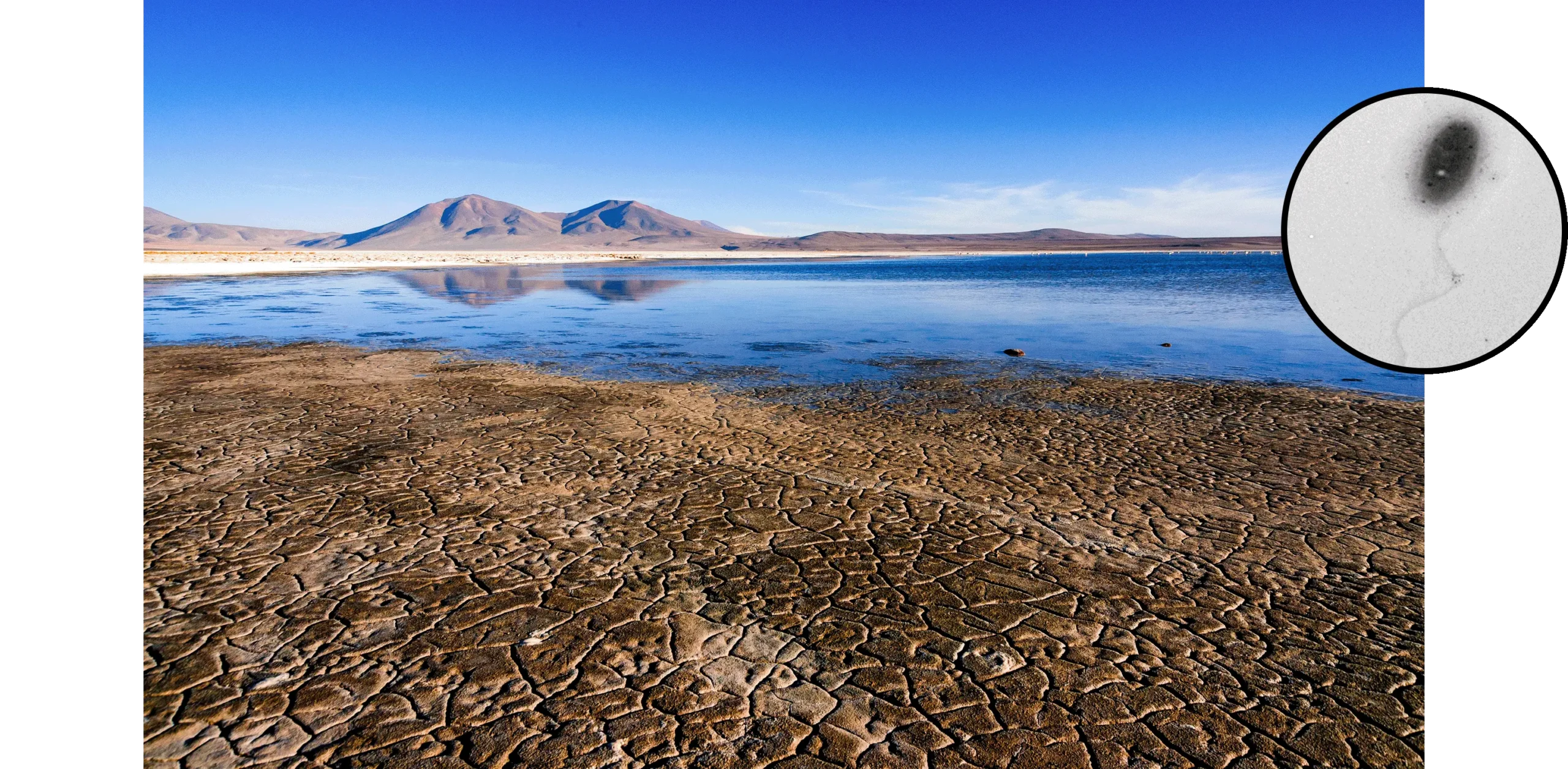
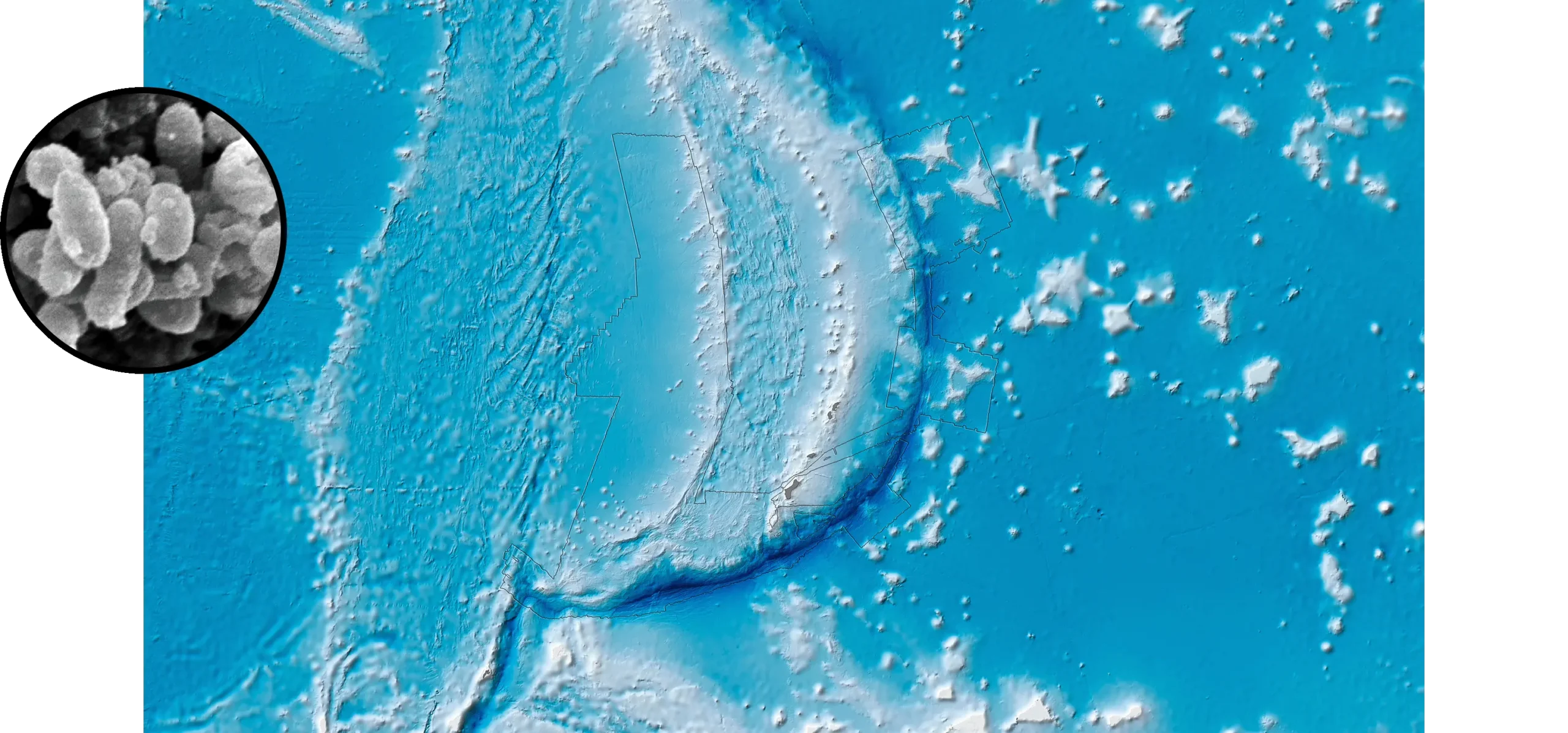
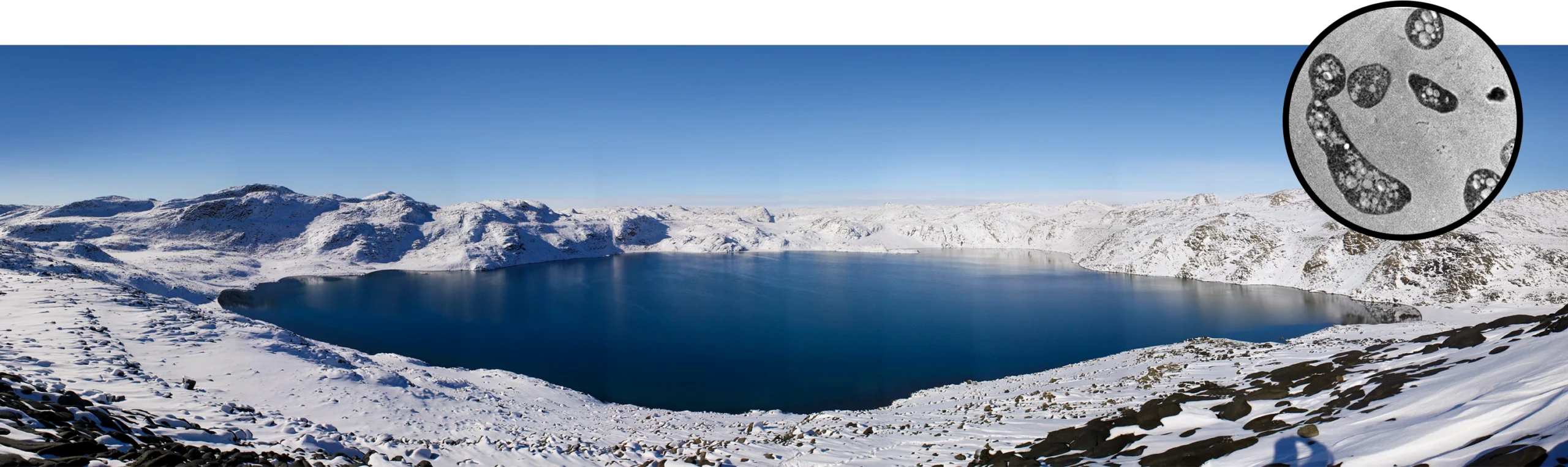
Life has scarcely found a boundary on Earth that it can’t push. While much of life’s diversity exists in lush, bountiful habitats like tropical rainforests and coral reefs, even the most brutal corners of the planet are also occupied. The organisms that thrive in extreme environments — blistering temperatures, crushing pressures, corrosive acid — are what we call “extremophiles.”
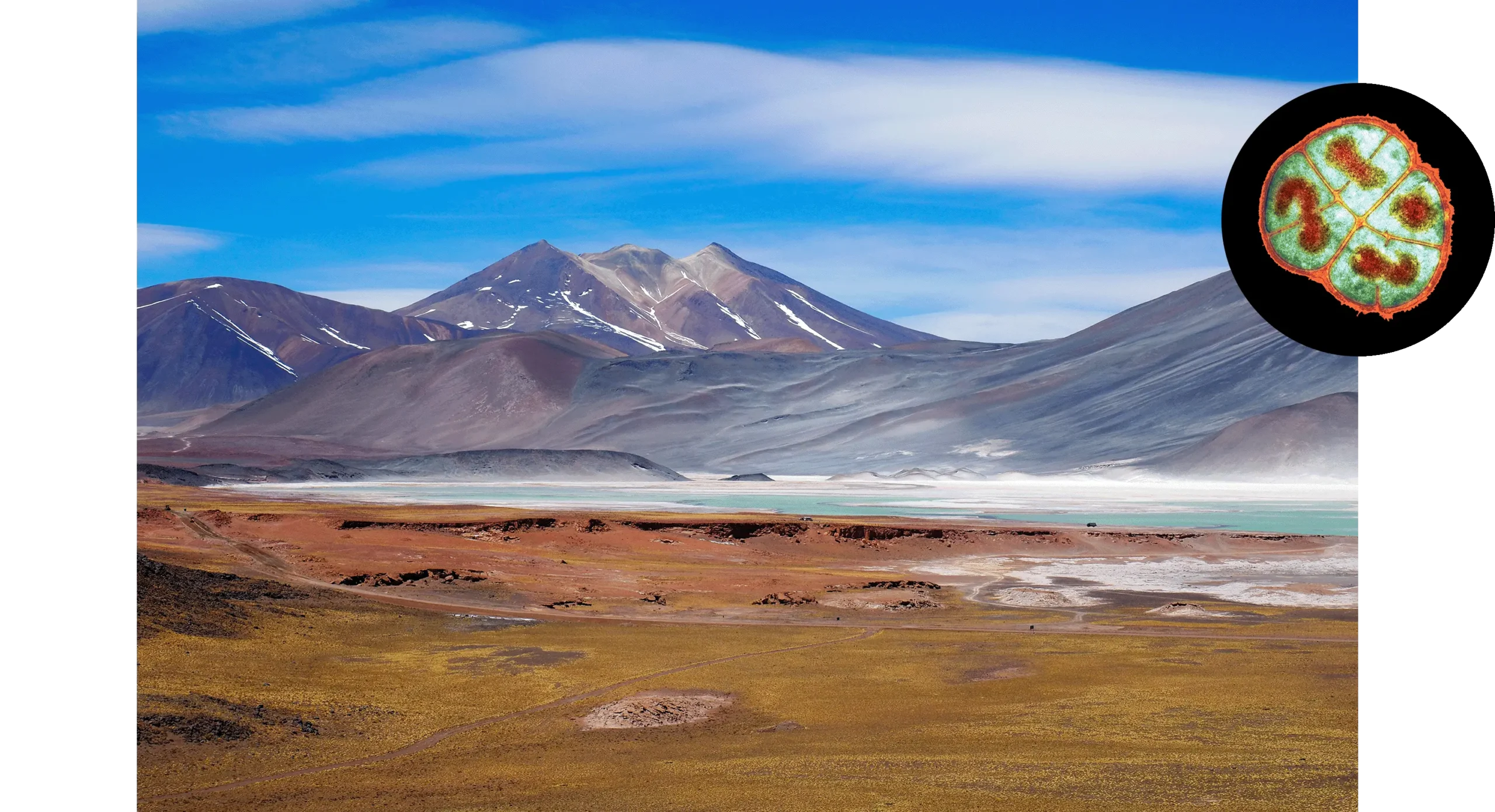
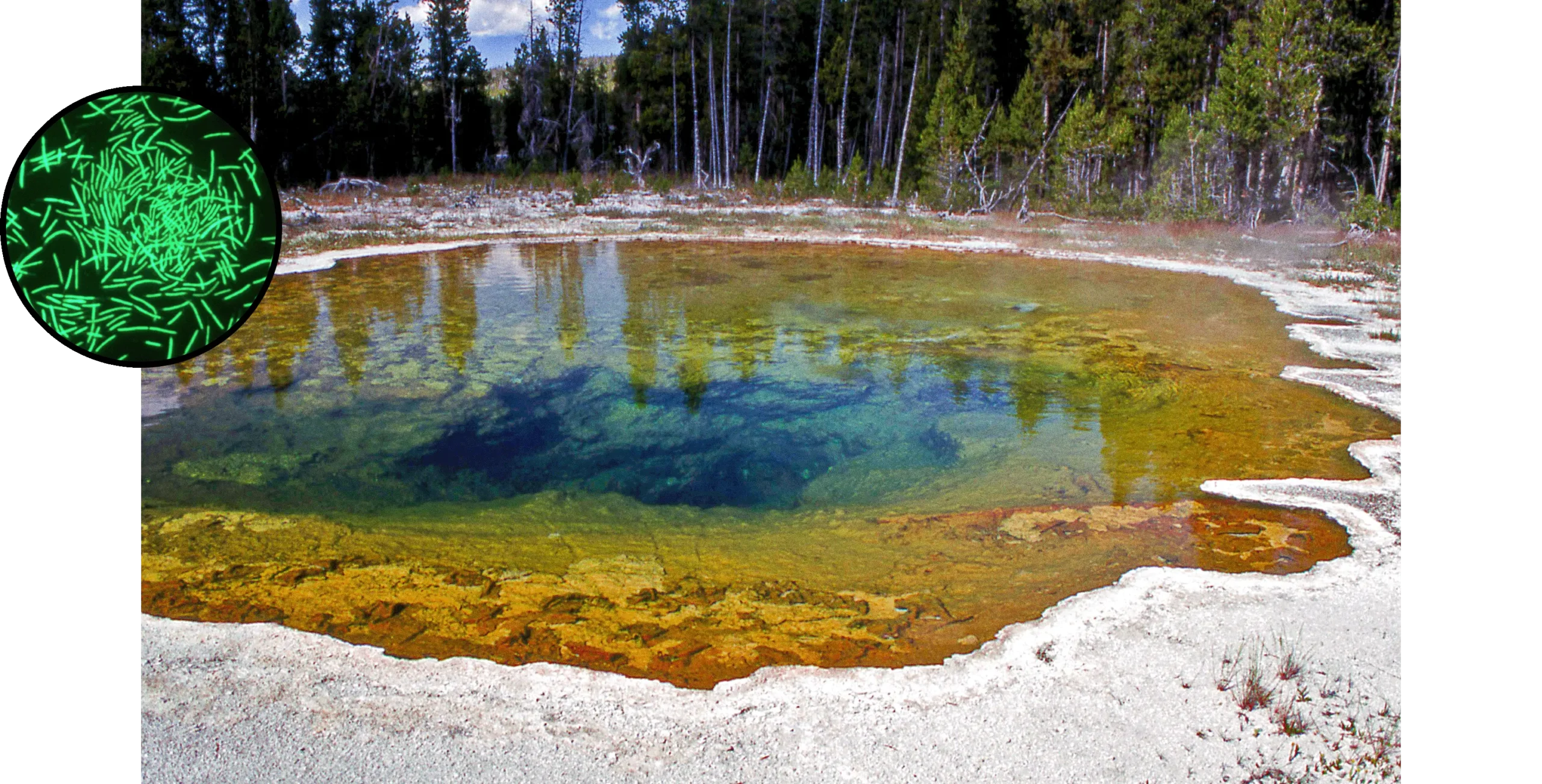
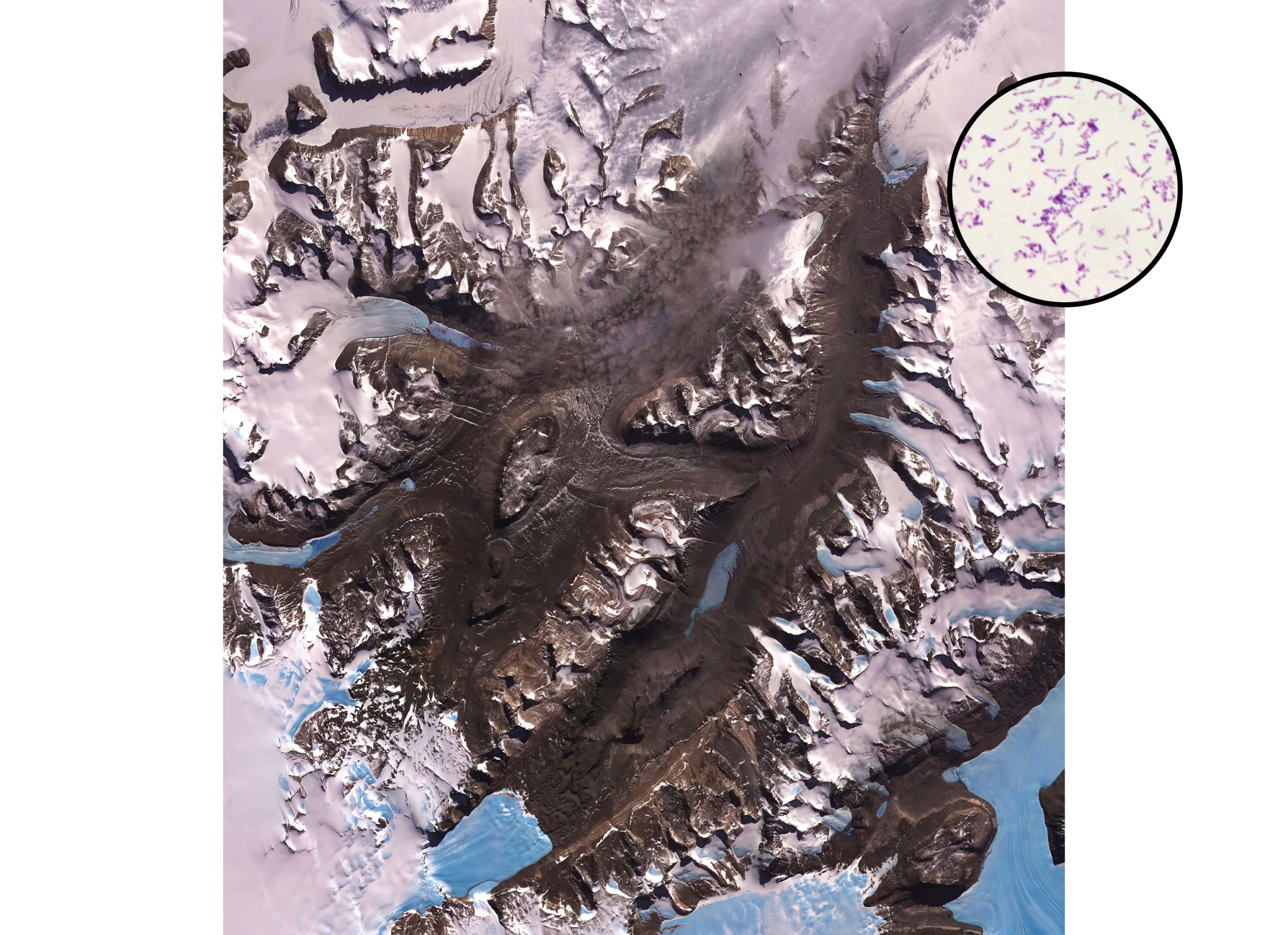
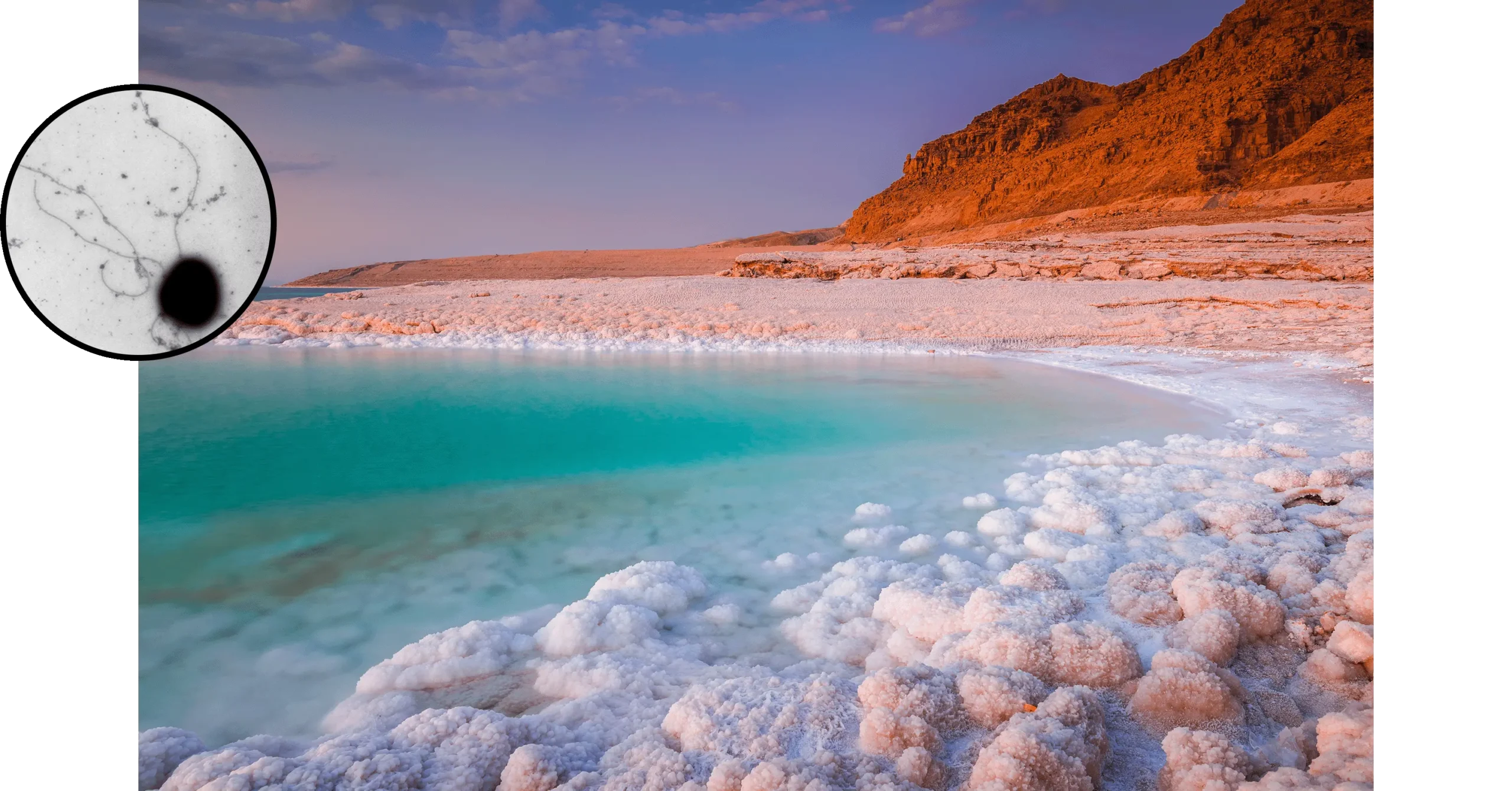
Most of these imperiled pioneers are rugged microbes, such as bacteria or archaea. Some have evolved to live in poisonous brine that would fatally pickle nearly everything else. Some can happily grow in subzero temperatures, using special enzymes that chug along where others grind to a halt. Others can shrug off the menaces of heavy metals, ionizing radiation, or the vacuum of space and still thrive.
These organisms aren’t just curiosities. Understanding their resilient biology has many possible applications. Discovering biochemicals that function under extreme temperatures, pH levels, or pressure could be a boon for a broad array of industrial processes. The organisms may also help clean up toxic pollutants by growing, thriving, and digesting where nothing else can. Extremophiles and their enzymes are even responsible for the modern era of genetics and molecular biology.
Extremophiles can also provide a window into life’s deep origins. The planet where life first evolved was a harsh place compared to today, and it likely had high concentrations of toxins and heavy exposure to radiation. By divining the limits of what life can endure today, researchers can get a better idea of what made life possible in the first place, and what has allowed life to adapt to almost any environment.
And if life can be found at our planet’s extremes, then there’s a chance that life may exist elsewhere in the universe. Extremophiles offer a hypothetical peek at alien biology, helping us better imagine what kinds of life forms might evolve on other relatively inhospitable worlds, from our neighbor Mars to far beyond.
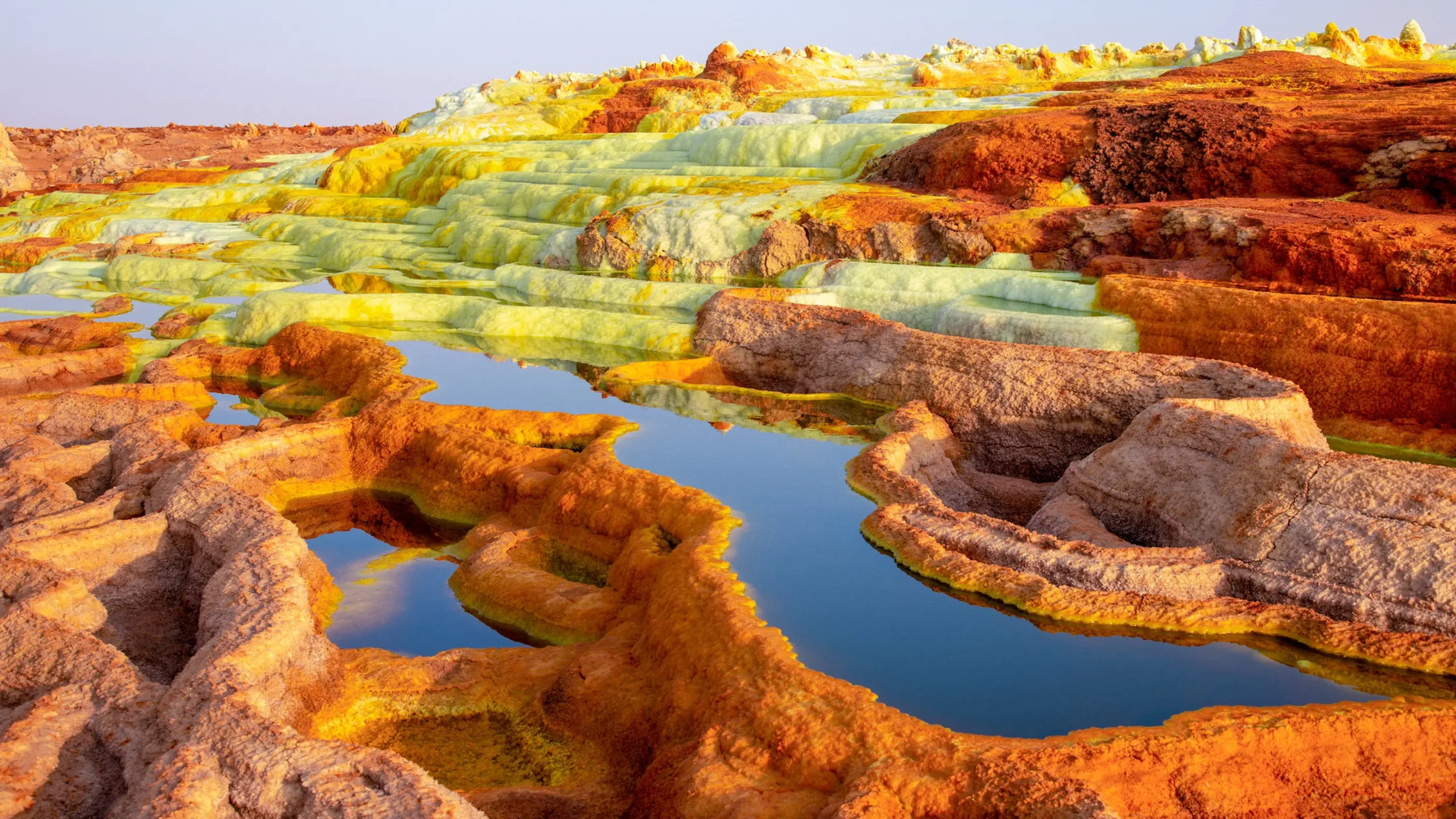
The Danakil Depression in Ethiopia is one of the hottest, lowest, and driest places on the planet… and yet some life manages to survive there.
Wysiati/Alamy
Life has scarcely found a boundary on Earth that it can’t push. While much of life’s diversity exists in lush, bountiful habitats like tropical rainforests and coral reefs, even the most brutal corners of the planet are also occupied. The organisms that thrive in extreme environments — blistering temperatures, crushing pressures, corrosive acid — are what we call “extremophiles.”
Most of these imperiled pioneers are rugged microbes, such as bacteria or archaea. Some have evolved to live in poisonous brine that would fatally pickle nearly everything else. Some can happily grow in subzero temperatures, using special enzymes that chug along where others grind to a halt. Others can shrug off the menaces of heavy metals, ionizing radiation, or the vacuum of space and still thrive.
These organisms aren’t just curiosities. Understanding their resilient biology has many possible applications. Discovering biochemicals that function under extreme temperatures, pH levels, or pressure could be a boon for a broad array of industrial processes. The organisms may also help clean up toxic pollutants by growing, thriving, and digesting where nothing else can. Extremophiles and their enzymes are even responsible for the modern era of genetics and molecular biology.
Extremophiles can also provide a window into life’s deep origins. The planet where life first evolved was a harsh place compared to today, and it likely had high concentrations of toxins and heavy exposure to radiation. By divining the limits of what life can endure today, researchers can get a better idea of what made life possible in the first place, and what has allowed life to adapt to almost any environment.
And if life can be found at our planet’s extremes, then there’s a chance that life may exist elsewhere in the universe. Extremophiles offer a hypothetical peek at alien biology, helping us better imagine what kinds of life forms might evolve on other relatively inhospitable worlds, from our neighbor Mars to far beyond.