Summary
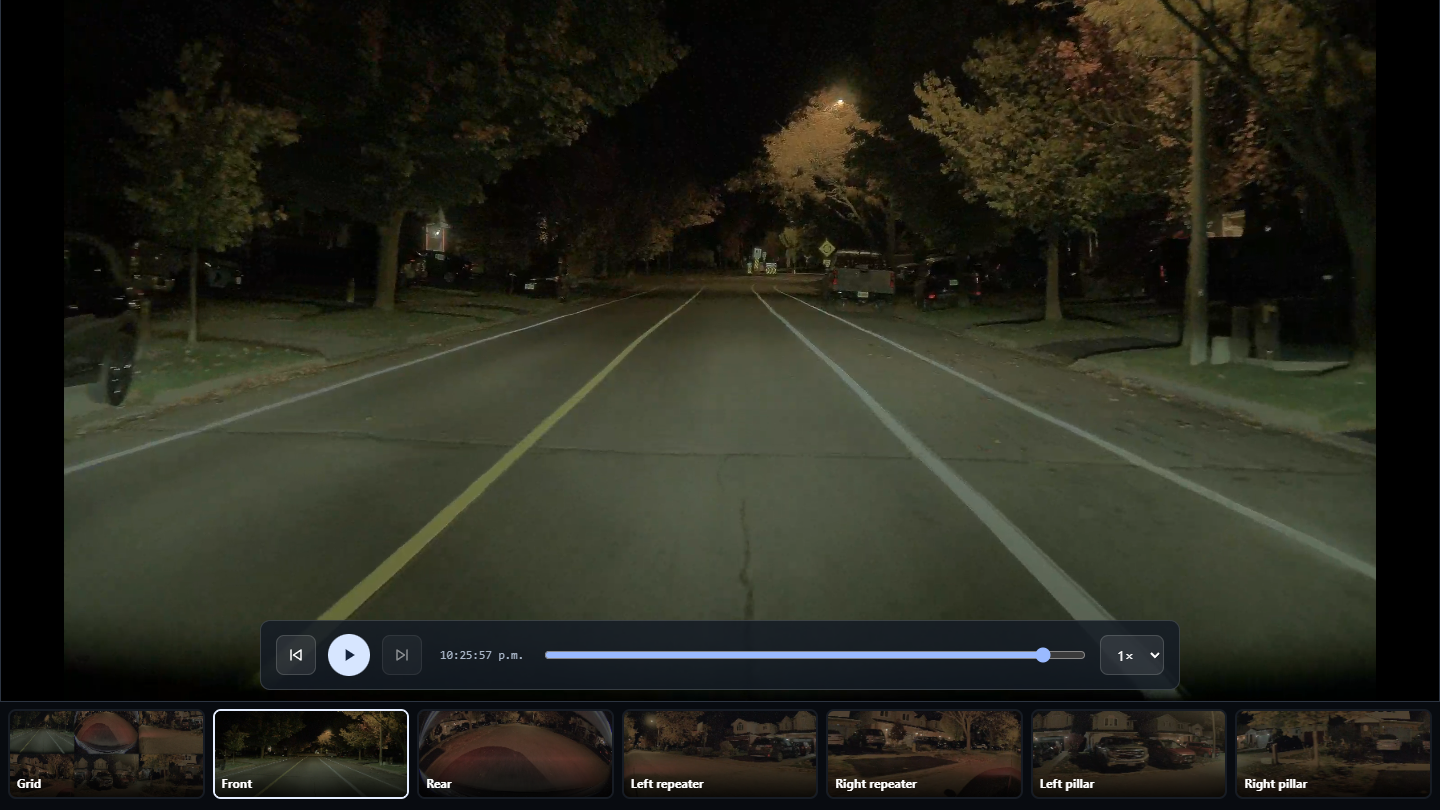
For as many sensors, cameras, and computers as there are on modern cars, they ought to be a dream to poke around in and customize to one’s liking. Unfortunately they’re generally plagued by the same locked-down, proprietary software that most consumer electronics ship with, making it very difficult to interact with these systems in ways the manufacturer doesn’t approve of. There are a few exceptions to this rule, though, and [Sasha] built this system which backs up the footage from their electric car’s on-board cameras automatically to a NAS. The system is built around a Raspberry Pi Zero 2 W which plugs directly into a USB port in the car’s glovebox. To set it up, the software only needs to be flashed onto the Pi and then it can be controlled from a smartphone. It can connect to any NAS over a variety of protocols and keeps track of what footage has been backed up, and can even automatically restart a backup if the car drives away before it has completed. It also automatically frees up space on the car’s internal drives by deleting any files that have already been synced to the NAS. All of the data is kept in the user’s control as well, and nothing leaves the LAN unless the user sets up backups to a cloud service on their own. If you have the correct electric car and a Pi other than a Zero 2 W, [Sasha] also has a package for other Raspberry Pis that should work. Unfortunately this was designed for a specific electric car; other makes and models won’t work with this out of the box, but we hope that won’t stop others from checking out the GitHub page anyway trying to figure out what’s going on under the hoods of their car’s electrical and computer systems. Sometimes this leads to things you might not expect, like using the car itself as a video game controller. I wish manufacturers put cameras in cars straight out of the factory. I’m kind of sick of all dash cams, the 30 ones alike. They’re always such poor quality cameras, their compatibility with SD cards is just poor, many cards not supported randomly for no reason. Not to mention the car interiors in summers just eats up sdcards like candies, one failing after the other. I don’t blame the cards honestly, car interiors can each 70C or higher in the direct sun. But that does raise the point, maybe consumer ads cards are not the best option for this application? Although I won’t pretend to know what is a better alternative for high temp application “Industrial grade wide-temperature” is the buzzword you are looking for if you want SSDs that work on a cold winter day and in a baking-hot car. They always have an android device of some kind built into the dashboard anyway, why has some insurance company not simply asked them to make it record the backup cam and a forward camera and keep the video for a month Many cars have cameras, for parking & reversing (my 2024 Toyota). They just don’t back up to anywhere. Great idea for someone with a Tesla but many TVs with built in dash cams let you record to a thumb drive in the car plugged into a USB port. Seems like a far better solution as no subscription is required when it’s stored locally. True but look at the limitations of those usb drive recordings as well. I know GM limits it to only 2 hours of kept recordings then it overwrites it no matter how large the drive is. So I agree with what you are saying but the manufacturers are still screwing people over and something like this is still needed even though in reality it should not be. The author tried really really hard not to say Tesla. The psychic damage done by the prodigal electric car and American rocket to bourgeois brains because he also bought twitter is immeasurable Foy my (insert brand of car that apparently we aren’t supposed to mention) I just put in a properly formatted NvME drive in a decent enclosure. It has already lasted longer than the USB stick that the dealer recommended. Next step will be to find or build a RAID-1 setup or something like that. But I do like the idea of syncing to my NAS when the car is at home, so I’ll probably give this a try.