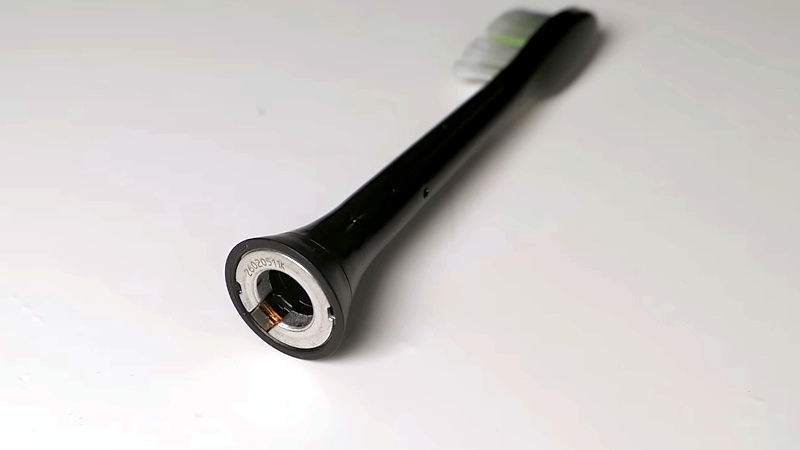
Summary
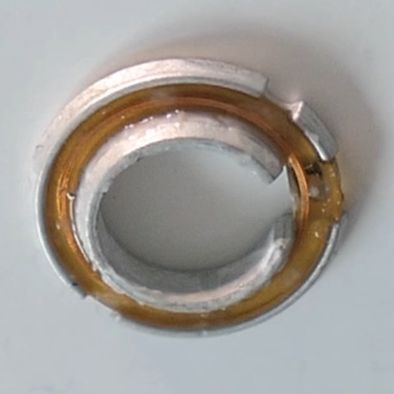 tracking aspects like runtime and pressure.
Unsurprisingly it’s easy enough to read and write this same NFC chip with a PN532 NFC reader and ESP32-S3 MCU. This reveals data fields for everything from brush type, to total runtime and expected lifetime, inviting a bit of experimentation on how certain usage patterns affects these data fields.
This much is perhaps not too shocking, but the fun part is what you can do with the chip after you have figured out how to write to its memory. How to unlock these units and their NXP NTAG213 IC has been figured out a few years ago already, so the hardest part was to figure out what to do with this information.
The demonstrated use case in the video is to unlock an Apple Macbook, which is maybe a bit too niche. Also demonstrated is taking the chip and its antenna out of the brush, which turns out to be quite easy. Perhaps salvaging just this one part of the brush is the more practical and hygienic option, as who doesn’t like building up a strategic supply of ‘free’ NFC chips?
I’ve been looking into getting nfc/rfid (keyboard wedge) unlock working in Linux (specifically fedora based) and I’ve had no luck