Summary
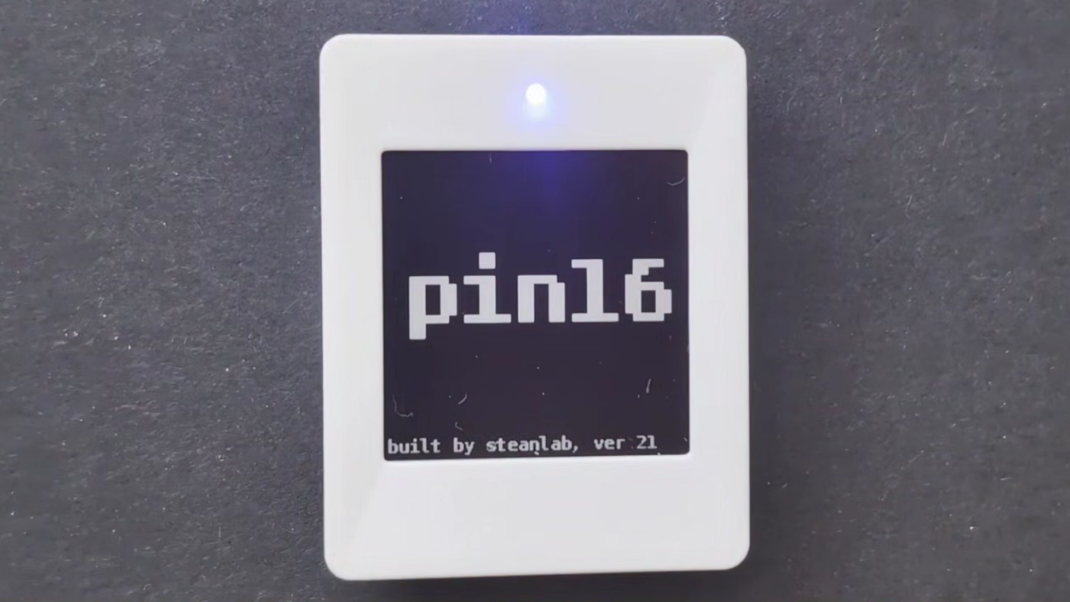
E-paper has lots of applications, though it’s found a particularly solid market penetration as a replacement for simple paper price tags. Because why have a cheap slip of paper for a fraction of a cent when you could have a complicated piece of electronics displaying a price? In any case, some of these price tags can be repurposed for more interesting uses, as this work from [steanlab] demonstrates. pin16 is an open firmware for Solum EFR32BG22 e-paper price tags. Or, as the industry calls them, Electronic Shelf Labels (ESL). It covers the El016 (200×200) and EL022 (160×296) models, both of which have four colors—black, white, red, and yellow. The firmware allows uploading images over Bluetooth from a browser, turning the humble price tag into a picture frame. Pictures are converted within the browser into a format suitable for display on the tags, and are then shown as a slideshow on a timer. Updates to firmware can be made over Bluetooth once the pin16 firmware is installed, however, it’s worth noting that initial install requires using SWD to reprogram. There’s no way to backup the factory firmware either, so don’t do this on tags that don’t belong to you. They may not be the highest-resolution or prettiest digital picture frames out there, but nevertheless, it’s fun to see these tags opened up for other uses. Of course, you’re not limited to just using them as picture frames, either—you can use the firmware to upload your own tag graphics if you still want to use them as labels. We’ve seen other similar hacks before, too, and we’d love to see more—so light up the tipsline if you’ve got ’em! the savings is not in the price tag but the labor in changing it, and the frequency it can be changed eg for sales. nowadays you can always find the person a technology is meant to replace… I could see a makerspace using these for labeling. I was noticing on Temu that prices will go up after you add items to your cart hoping you won’t catch it when you pay. I can see this tactic being used by shops by remotely updating prices before you get to the cash register. I always check my receipt after paying only to find quite often that items that were on sale were charged full price. The supermarket tactic of conveniently forgetting to update at the checkout. Not sure if this is the same thing, but Temu advertises the “after coupon” price as the top line on every product page, using the most advantageous coupon they offer at the time, based on the item, the price, the total price of items in your cart, and the coupon(s) which apply to the item in your cart. As you add items, the price of every item will increase or decrease based on the available automatic coupons and the mix in your basket. They may even show you the price if you increase your cart value to the next coupon up the list (10 off 50, then 15 off 75, then 25 of 100). The rack price is in smaller type, usually below the “your cost” number. IIRC there were also some quiet trials of what is basically surge pricing at retail stores. It didn’t work as well as online, but that doesn’t mean they won’t try again. Hey just think though: this could allow stores to dynamically update prices based on the tariff whims of the hour. Which is … a good… thing? Hmmm Lower prices during low shopping hours, raise prices during rush hours.