Summary
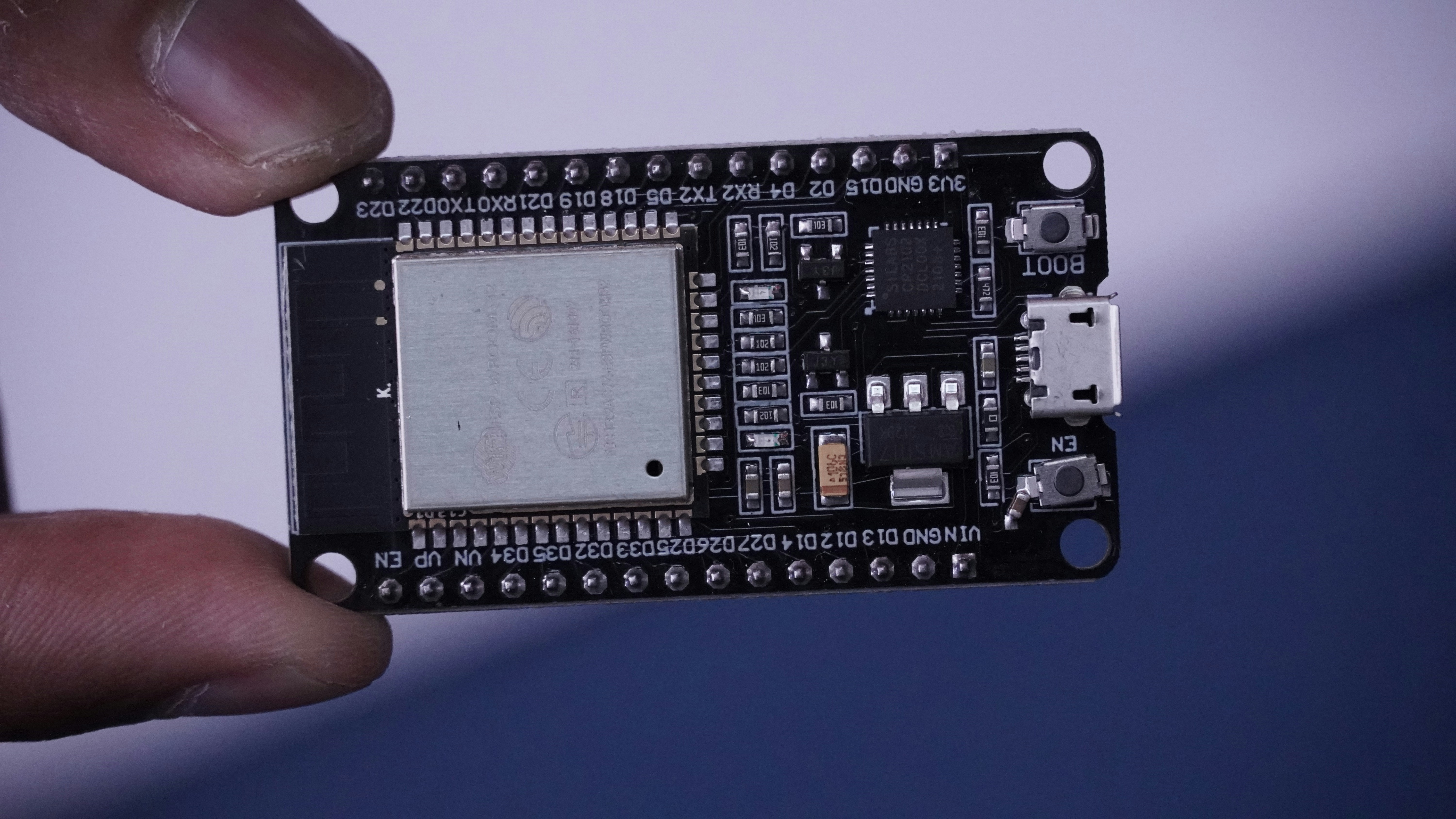
There’s breaking news! Quick, check your computer and look it up! What? Your computer doesn’t have internet right now because its WiFi chip fried itself? Well, it’s a good thing that [Phil Schatzmann] made a quick 4-line upload to make a makeshift internet adapter called TinyWifiDongle! TinyWifiDongle is literally 4 lines of C++ (though the inclusions are doing some heavy lifting). The simple Arduino based project is not meant to browse through your streaming services at 4K, but can provide simple browsing capabilities by plugging into a USB port. The codebase has been tested on both the ESP32-S3 and Pi Pico 2 W with 600 KB/s and 250 KB/s, respectively. So certainly not blazing by any means, but enough to update your laptop’s own network drivers. Though, the TinyWifiDongle does provide some particularly useful features in a pinch. Logging and transparency features are built into the codebase to allow the adaptor to work for any light IOT devices that need monitoring. If the slow speeds shown here aren’t quick enough for you, that doesn’t mean we can’t find something for you. How does 10 gigabit sound? If that’s up your alley, be sure to check out this adaptor’s autopsy! That’s a silly comment, considering the inclusions come from the same project. Since when is the size of a project determined by the size of its setup() function? import nasa.spacecraft nasa.spacecraft.launch() The history of the esp8266 comes from USB dongles. Back in 2013 there were traces in the code of a similar chip that was used as a USB wifi dongle. I’m curious about that, ESP8266 doesn’t have a USB interface Probably referring to ESP8089, but that didn’t have USB interface either. Would have used SDIO or SPI in an embedded/tablet sitcheeation. I think you have that confused – the original esp8266 was for cheap wifi-enabled smart lighting. The inluded library is 200 lines of code? The photo isn’t an ESP32S3 either.