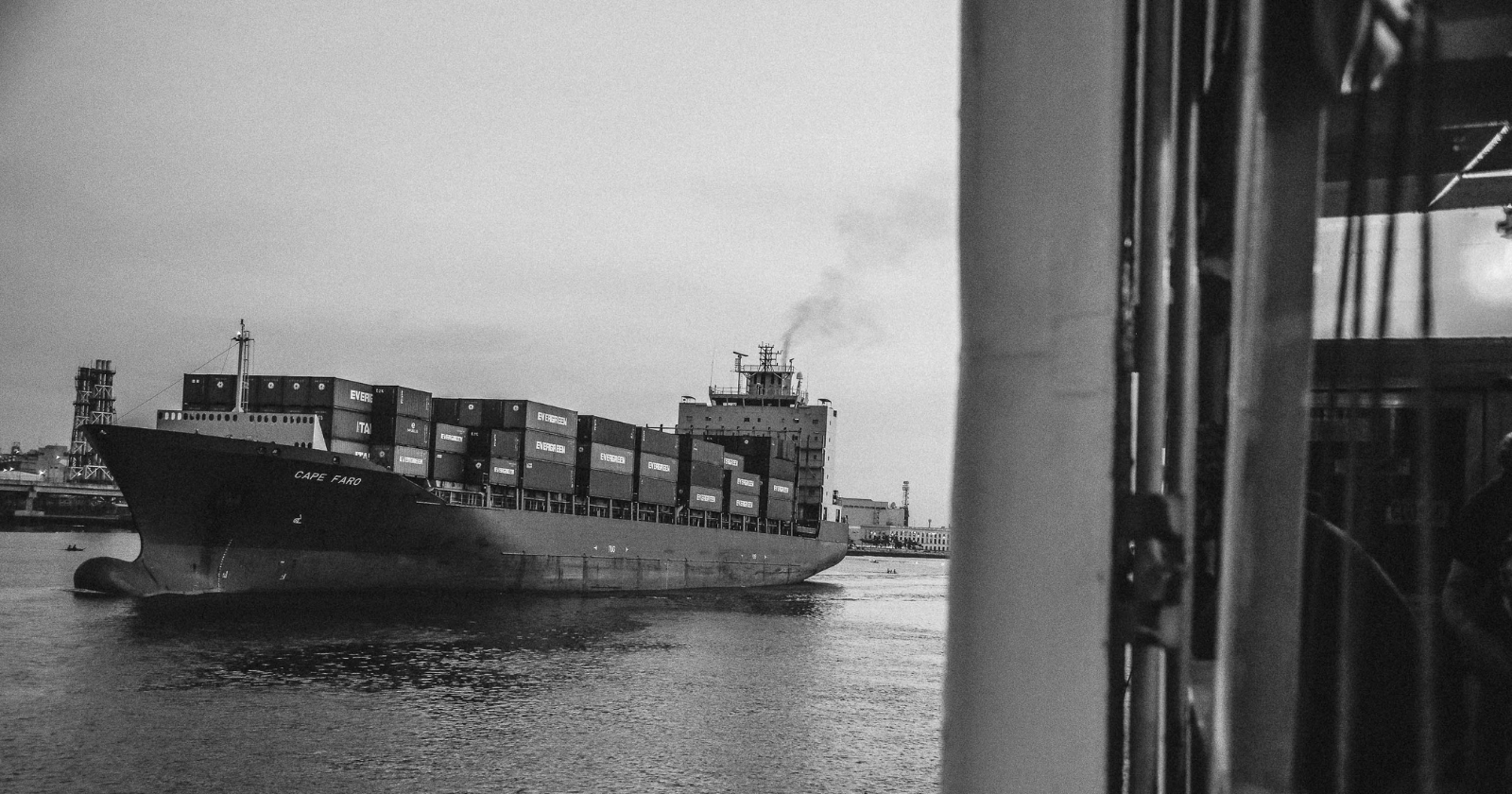
How did a 1956 shipping container standardised at 8 by 8 by 20 feet cut cargo loading costs from about $5.83 a tonne to 16 cents and quietly rebuild world trade?
8 min read
Summary
On 26 April 1956, a converted Second World War tanker called the Ideal-X pulled out of Port Newark, New Jersey, with 58 metal boxes bolted to a reinforced deck. Five days later it reached Houston, where 58 waiting trucks drove the boxes away. The man behind it was Malcom McLean, a North Carolina trucking magnate, and the boxes were the first commercial shipping containers. The numbers from that voyage are the reason the industry still talks about it: loading loose “break-bulk” cargo by hand cost about [5.83atonne](https://www.economist.com/finance−and−economics/2013/05/18/the−humble−hero)inthemid−1950s,whileloadingthesameweightinoneofMcLean’scontainerscameinatroughly16cents.Asingledesigndecisionhadcutacorecostofworldtradebymorethanthirty−sixtimes.Thedesignitselfwasalmostmundane:aplainmetalbox,8feetwide,8feethighand35feetlongonthatfirstvoyage,laterpareddownandstandardisedbyinternationalagreementintothefamiliarunitthetradestillcountsin—the“twenty−footequivalentunit”,orTEU.Whatmadeitrevolutionarywasnottheboxbuteverythingthathadtochangearoundit.Atrucker’sproblem,notashipowner’sMalcomMcLeandidnotcomefromshipping.HeranMcLeanTrucking,oneofthelargestroad−freightcompaniesintheUnitedStates,andhisfrustrationwaswiththedocks,notthesea.As[economichistorianMarcLevinsonrecountsinTheBox](https://press.princeton.edu/books/paperback/9780691170817/the−box),McLeanhadspentyearswatchingdriversidleawayentiredaysindocksidequeueswhilelongshoremenunloadedtruckspiecebypieceintoships’holds.Theobsessionwentbacktwodecades.In1937,sothestorygoes,McLeansatinhistruckforhoursataNewJerseypierwaitingtounloadcottonbales,watchinggangscarrycargoaboardsackbysack,andwonderedwhythetrailercouldnotsimplybeliftedontotheshipwhole.Turningthatideaintoabusinessmeantcollidingwiththerulesoftheday.Federalregulatorswouldnotletasinglecompanyownbothatruckinglineandashippingline,soin1955McLeansoldMcLeanTruckingandboughtPan−AtlanticSteamship,acoastwiseshippingcompanywithdockingrightsalongtheeasternseaboard.Hisplanwassimple:putthetruck’scargo,minusitswheels,straightontotheboat.TheIdeal−Xwasthecrudefirstdraft—atankerwithastrengtheneddeck,stillcarryingoilbelowwhiletheboxesrodeontop.ByOctober1957McLean’scompany,stillcalledPan−AtlanticandnotrenamedSea−LandServiceuntil1960,wasrunningtheGatewayCity:aSecondWorldWarC−2cargoshipguttedandrebuiltasthefirstfullycellularcontainervessel,itsholdfittedwithsteel“cellguides”thatletacranedropeachboxintoanexactslot.Thechangeintempowasstaggering.Alongshoreganghand−stowingloosecargomightmoveonlyahandfuloftonnesanhour;acraneworkingsealedboxesintocellguidescouldmovemanytimesthat,andkeepgoingwithoutabreak.Turnaroundtimesoncemeasuredindaysbegantobemeasuredinhours.Wherethethirty−six−foldsavingactuallycamefromThe16−centfigureisnotmagic.Itcomesfromstrippingoutlabour,timeandtheft,inroughlythatorder.Atraditionalbreak−bulkshipspent,onaverage,morethanhalfitsworkinglifetiedupinportratherthanatsea.Dockersphysicallycarriedbagsofcoffee,drumsofchemicalsandcratesofmachinerydowngangplanksandstackedthembyhandinthehold,whereeverythinghadtobelashedsoitwouldnotshiftatsea.Amid−sizedfreightermightneed200menworkingseveraldaystoturnaround.PilferageontheNewYorkwaterfrontwassoroutineinthe1950sthatinsurerssimplypriceditintotheirpremiums.ThewastehadbeenquantifiedevenbeforeMcLeanacted.A1954studyofthefreighterWarrior,tracingasingleshiploadofcargofromBrooklyntoBremerhaven,foundthatmostofthetotalbillwentongettinggoodsonandofftheshipratherthanontheoceancrossingitself.Acontainerclosesallofthatoff.Cargoispackedonce,atthefactoryorwarehouse,andsealed.Theboxiscranedontoatruck,driventotheport,cranedontotheship,cranedoffatthefarendanddriventoitsdestination—oftenwithoutasinglehumanhandtouchingwhatisinside.The[UNConferenceonTradeandDevelopment](https://unctad.org/system/files/official−document/rmt2021ch4en.pdf)hastrackedwherethatleads.Amodernvesselcarryingtensofthousandsofcontainerscanbeworkedbyahandfulofgantrycranesandacrewofafewdozen,dischargingandreloadinginadayortwowhatoncetookanarmyofmenthebetterpartofafortnight.ThestandardisationfightMcLean’sfirstboxeswerenottheboxestheworldusesnow.Sea−Landbuilt35−footerstomatchthelongesttrailersallowedonAmericanhighways.ItsmainUSrival,MatsonNavigation,used24−footerssizedforHawaiiansugarruns.EuropeanandJapaneselineshaddimensionsoftheirown.Withoutagreement,acontainerpackedinRotterdammightnotfitacraneinYokohama,andthewholepromiseofaseamlessglobalboxcollapsedbeforeitbegan.Between1961and1970the[InternationalOrganizationforStandardization’stechnicalcommitteeTC104](https://www.iso.org/committee/45086.html)hammeredoutacompromise.TheresultingISO668standardfixedtheexternaldimensions—8feetwide,8feet6incheshigh(later9feet6inchesfor“high−cube”boxes)and20or40feetlong—and,crucially,settheexactpositionofthesteelcornercastingssothatanycrane,ship,chassisorrailwagonintheworldcouldhandleanybox.Thefinalpiecewasasmallone.Sea−Landheldthepatentonthetwist−lockandcorner−fittingsystem—thecouplingthatletsacranegrababoxandletsstackedcontainerslocktooneanother—andreleaseditroyalty−freesoitcouldbecometheworldstandard.Givingawaythatmechanismarguablydidmoreforglobaltradethananysinglesteelbox.WhattheboxactuallyrebuiltOnceloadingcostscollapsed,thegeographyofmanufacturingrearrangeditself.IfmovingatonneofgoodsfromShanghaitoLosAngelescostspenniesratherthandollars,itbecomesrationaltomakealmostanythingalmostanywhere.[UNCTADreckons](https://unctad.org/publication/review−maritime−transport−2021)thatseatransportnowcarriesmorethan80percentofworldmerchandisetradebyvolume;bulkcarriersfullofoil,oreandgrainaccountformuchofthattonnage,butitisthecontainerthatcarriesalmostalltheworld’smanufacturedgoods.Globalcontainerportshandledmorethan[800millionTEUayear](https://porteconomicsmanagement.org/pemp/contents/part1/maritime−shipping−and−international−trade/world−container−throughput/)beforethepandemic.Thephysicalfootprintoftradechangedtoo.NewYork’sManhattanandBrooklynpiers,whichhademployedtensofthousandsoflongshoremen,couldnotfittheenormousgantrycranesortheacresofstackingyardthatcontainersdemanded.TrafficmigratedacrosstheharbourtoPortElizabeth,NewJersey,whichhadthespace.London’sdocksemptiedandmoveddownstreamtoFelixstowe;SanFrancisco’swaterfrontshiftedacrossthebaytoOakland.Ineachcasetheolddockdistrictsbecamesomethingelse—housing,offices,touristquays—whiletherealworkofmovingcargorelocatedtoplacesmostcity−dwellersneversee.Thecontaineralsoquietlycreatedtheconditionsfortheinternet−erasupplychain.Amodernsmartphonecarriespartsfromdozensofcountries,andtheassumptionbehindthatarrangement—thatintercontinentalfreightisessentiallyfreenexttothevalueofwhatisshipped—isadirectinheritanceofMcLean’s16−centnumber.Itsitsalongsidethe[roughly550underseacablesthatcarryabout99percentofinternationalinternettraffic](https://maketecheasier.com/?p=861541)asoneoftwophysicalsystemsthatmakeglobalisationwork:onemovesatoms,theothermovesbits,andbothareallbutinvisibletothepeoplewhoselivesdependonthem.WhatthecontainerdidnotfixHonestymattershere.Thecontainerdidnotsomucheliminatecostasmoveit.Portsbecameenormouslycapital−intensive:asingleship−to−shoregantrycranenowrunstomorethan10 million, and a modern terminal is a multi-billion-dollar civil-engineering project.
Dockwork collapsed as a way of life. The International Longshore and Warehouse Union watched its US west-coast membership shrink through the 1960s and 1970s as machines did what gangs once had, and the political fights over automation on the docks have never really stopped.
The environmental bill is real as well. Shipping accounts for roughly 3 per cent of global carbon-dioxide emissions — a share that exists at all only because moving things across oceans became so cheap that the world chose to do vastly more of it.
McLean himself did not end well in business. Sea-Land was sold to R.J. Reynolds in 1969; a later venture, United States Lines, went bankrupt in 1986 after he bet on a fleet of fuel-efficient but slow ships just as oil prices fell. He died in 2001. The industry marked his passing by sounding container-ship horns in ports around the world — a low, layered blast rolling across harbours he had emptied of men and filled with steel, for a trucker who never much wanted to be a shipowner and rebuilt the plumbing of the modern economy anyway.