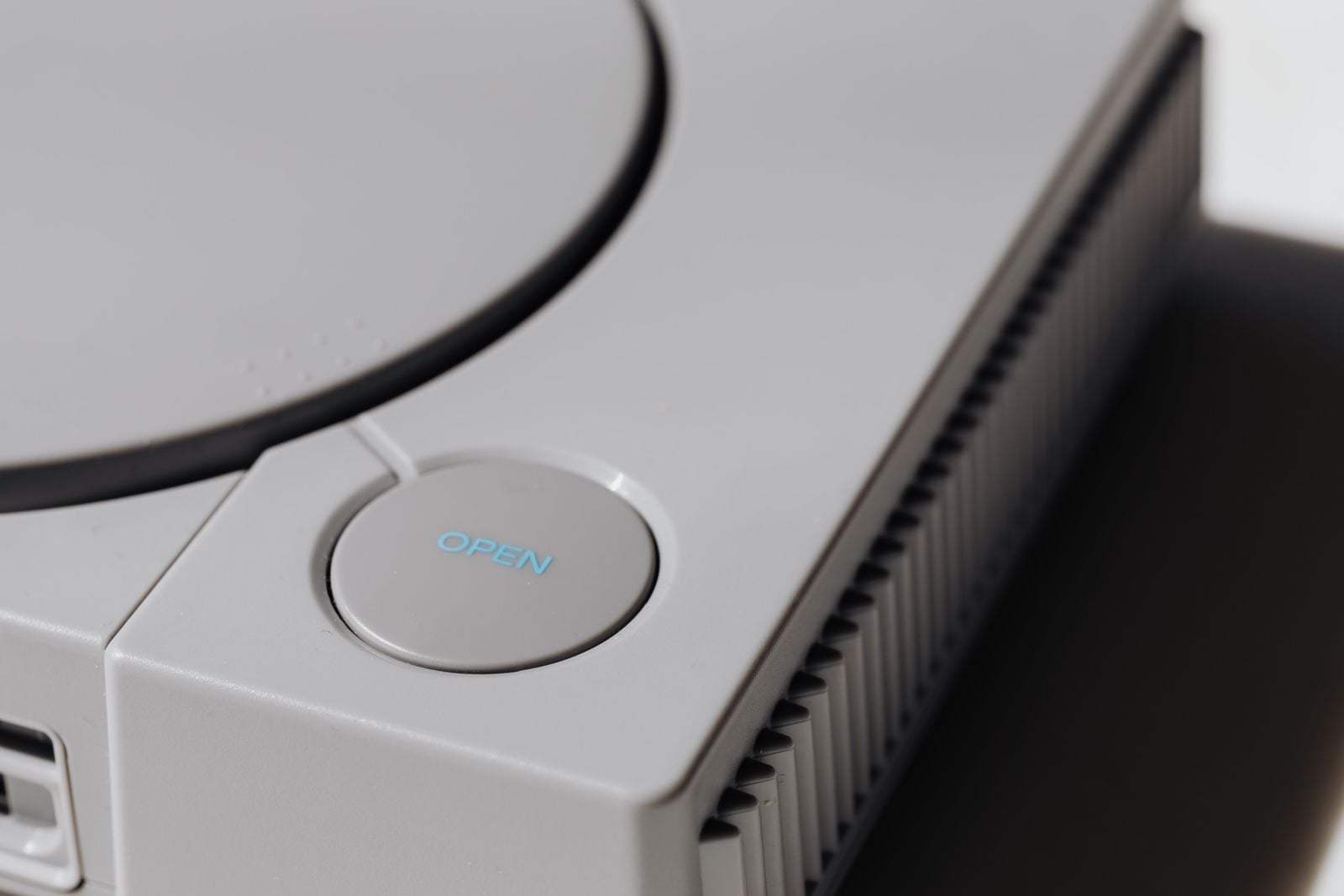
How did a publicly humiliated Japanese electronics firm turn a failed CD partnership with Nintendo into a console that outsold every rival of the 1990s?
8 min read
Summary
The firm was Sony, the console was the PlayStation, and the thing that decided the decade was not the hardware. It was the disc — and the publisher terms that came with it. Sony pressed games onto CDs that cost cents to manufacture, let publishers reorder in days instead of committing cash to cartridge runs months ahead, and shipped more than 100 million consoles over the machine’s life. The Nintendo 64 sold 32.93 million. The Sega Saturn sold roughly nine million. The two other entrants of that generation, the 3DO and the Atari Jaguar, were off the market before the decade ended.
All of it started with a public humiliation.
In June 1991, at the Consumer Electronics Show in Chicago, Sony announced a Nintendo-branded CD-ROM add-on for the Super Famicom called the Play Station. Hours later, on the same show floor, Nintendo announced it was doing the deal with Philips instead. The sequence is documented in Game Informer’s oral history of the PlayStation, told by the people who were standing there.
What happened next is usually told as a revenge story. The record is more interesting than that.
The deal that collapsed on stage
Nintendo and Sony had signed a contract in 1988 to co-develop a CD-ROM peripheral for the forthcoming Super Famicom. Sony’s side was led by Ken Kutaragi, an engineer who had already pushed the company into the console business once by designing the SPC700 sound chip inside the Super Famicom — over the objections of Sony’s own executives, and with the personal backing of then-president Norio Ohga.
The contract gave Sony extensive rights over software published on the CD format. Nintendo’s president Hiroshi Yamauchi read the terms, decided they were unacceptable, and instructed his American lieutenant Howard Lincoln to negotiate a rival deal with Philips. The Chicago announcement was the reveal.
Sony’s board wanted to walk away. Ohga told Kutaragi to build a console anyway. The project that survived that decision became the PlayStation, released in Japan on 3 December 1994 and in North America on 9 September 1995.
Why Sony was not actually a games company
Sony was not near bankruptcy in these years. It was one of the largest electronics manufacturers on earth, and its financial trouble in the period came from Hollywood, not hardware: in November 1994 it wrote down [approximately 2.7billionofgoodwill](https://www.sec.gov/files/litigation/litreleases/lr15832.txt)tiedtoitsColumbiaPicturesacquisition,oneofthelargestwrite−offsinJapanesecorporatehistorytothatpoint.Thegamesdivisionwasthefragilething.Itwasinternallyunpopularandrepeatedlyclosetobeingshutdown.“Everyonetolduswewouldfail,”KutaragitoldAFPina[2024interview](https://www.malaymail.com/news/tech−gadgets/2024/11/29/father−of−playstation−how−ken−kutaragi−proved−everyone−told−us−we−would−fail−wrong/158358),addingthatmostofSony’sexecutiveswerefiercelyopposed,fearingforthecompany’sreputationasamakerofhigh−endelectronics.KutaragiwasmovedoffSony’smaincampustoSonyMusic,asubsidiarywithexperiencemanufacturingCDs,partlytokeeptheprojectoutofreachofthepeoplewhowanteditkilled.Theconsequencemattered.SonyMusicunderstoodopticaldiscmanufacturing,licensing,andnegotiatingroyaltytermswithexternalcreativepartners.Nintendo,bycontrast,ranitscartridgebusinessasatightlycontrolledsupplychain.TheFederalCircuitdescribedthatarrangementplainlyin[AtariGamesCorp.v.NintendoofAmerica](https://law.justia.com/cases/federal/appellate−courts/F2/975/832/163650/):underlicence,Nintendotookthedeveloper’sgame,placeditincartridgescontainingitsownlockoutchip,andsoldthosecartridgesbacktothedeveloper.Sony’spitchinvertedalmosteveryelementofthatmodel.WhatthediscactuallychangedThetechnicalcasewasstraightforward.ASuperNintendocartridgeshippedwithsomewherebetween4and32megabitsofROM—roughly0.5to4megabytes.AsingleCD−ROMheld650megabytes.Thatisnotamodestimprovement;itismorethantwoordersofmagnitude.Theeconomiccasewassharper.PressingaCDcostcents.ManufacturingamaskROMcartridgecostseveraldollarsperunitandrequiredcommittingtoaproductionrunmonthsinadvance.Adeveloperwhoguesseddemandwrongonacartridgelostrealmoneyandsatontheinventory.AdeveloperwhoguessedwrongonaCDtitlepressedmorediscsindays.Thetradeoffwasseektime.ThePlayStation’sdouble−speedCDdrivereadat300KBpersecond,withseeklatencymeasuredinhundredsofmilliseconds,againsttheeffectivelyinstantrandomaccessofacartridge.Gamesweredesignedaroundthatlimitation—hencethelong,decorativeloadingscreensthatbecameasignatureoftheera.Kutaragi’shardwareteambuilttherestofthesystemaround3D.TheconsoleshippedwithadedicatedGeometryTransformationEnginerated,inSony’spublishedspecificationsatthetime,ataround360,000flat−shadedpolygonspersecond.TheSegaSaturnhadbeatenittotheJapanesemarketbyelevendays,launchingon22November1994.Ithadbeendesignedprimarilyfor2Dspritework,andSegabolted3DcapabilityontoanarchitecturebuiltaroundtwoHitachiSH−2CPUs—acombinationdeveloperscomplainedpubliclywasdifficulttoprogram.ThedevelopertermsnobodytalksaboutHardwarealonedoesnotexplainthegapthatfollowed.Sony’sownfilingsshowhowfastitopened:worldwideproductionshipmentsofPlayStationhardware[reached19.37millionunitsinthefiscalyeartoMarch1998alone](https://www.sec.gov/Archives/edgar/data/0000313838/000095012398008354/0000950123−98−008354.txt),against9.2milliontheyearbefore,foracumulative32.82million.Nintendo’sownsalesdatarecordstheNintendo64,launchedinJapaninJune1996,finishingat[32.93millionunitsforitsentirelifetime](https://www.nintendo.co.jp/ir/en/finance/hardsoft/index.html).Licensingwasthequietdecider.PublisherscouldproducePlayStationdiscscheaply,reorderonshortleadtimes,andpaySonyaroyaltyperdiscsoldratherthanfinancingacartridgeorderupfront.Theriskmovedoffthepublisher’sbalancesheet.Squaresoft’sdecisiontomoveFinalFantasyVIIfromtheNintendo64tothePlayStation,announcedinJanuary1996,isthemost−citedexample.Square’sstatedreasoningwasexplicit:thegameitwantedtomakewouldnotfitonacartridge,andcartridgeeconomicsdidnotworkatthescaleithadplanned.FinalFantasyVIIshippedinJapanon31January1997.ThePlayStationversionhadsoldroughly9.8millioncopiesworldwidebytheendof2005,andthe1997gamehassincepassed15millionacrossallitslaterplatforms.Itisthetitlemostoftencreditedwithsettlingthegeneration.ThemarketingthatignoredchildrenSonyComputerEntertainmentAmerica,runatlaunchbySteveRace,madeanunusualdecisionforthe1990s:itmarketedthePlayStationtoadults.Printadvertisingraninmusicandstylemagazinesratherthanonchildren’stelevision.ThemomentthatfixedtheshapeoftheAmericanmarketlastedaboutasecond.AtE3inLosAngeleson11May1995,SegaofAmerica’sTomKalinskeannouncedtheSaturnatUS399, available immediately at four retailers. Hours later, Race walked to the Sony podium, said “299,” and walked off. Kalinske’s own account, given years afterwards to Time Extension, is that Sega had been certain the PlayStation would land at 399andwasnotmakingmoneyatthatpriceitself.NintendostayedwithcartridgesfortheNintendo64andkeptitsfamily−friendlypositioning.TheN64hadgenuinetechnicalstrengths,particularlyin3Drenderingandfour−controllermultiplayer,anditsexclusivelibraryincludedsomeofthemost−praisedgamesofthedecade.Butcartridgeeconomicslimitedhowmanythird−partypublisherscouldaffordtosupportit,andthelibrarystayedsmaller.WhatthestoryisoftenshortenedintoThepopulartellingcompressesallofthisinto“SonygotrevengeonNintendo”.Therecordsupportssomethingnarrower.SonyhadaworkingCD−ROMengineeringteamitdidnotwanttodisband,anexecutivewillingtoprotectanunpopularproject,asubsidiarythatunderstoodopticaldiscmanufacturingandcreativelicensing,andpublishertermsmoreattractivethantheincumbent’s.The1991humiliationcreatedtheconditions;itdidnotcreatetheconsole.ThepartsthatarelegendratherthanrecordincludethespecificwordsOhgareportedlyusedtoKutaragi,andthenotionthatthe1991SuperFamicom−compatibleprototypewaseverclosetoproduction.Roughly200pre−productionunitsoftheNintendo−Sonyhybridwerebuilt;[onesurfacedatHeritageAuctionsinMarch2020](https://comics.ha.com/heritage−auctions−press−releases−and−news/only−nintendo−playstation−prototype−sold−for−360−000−at−heritage−auctions.s?releaseId=3792)andsoldforUS360,000 after 57 bids, with the auction house noting the vast differences between it and the console Sony actually shipped in 1994.
Whoever controls the manufacturing bottleneck sets the terms — a pattern that keeps recurring in the infrastructure underneath everything since, from undersea cable ownership to the platforms that host modern video.
Nintendo returned to optical disc with the GameCube in 2001. By then the market had already decided.