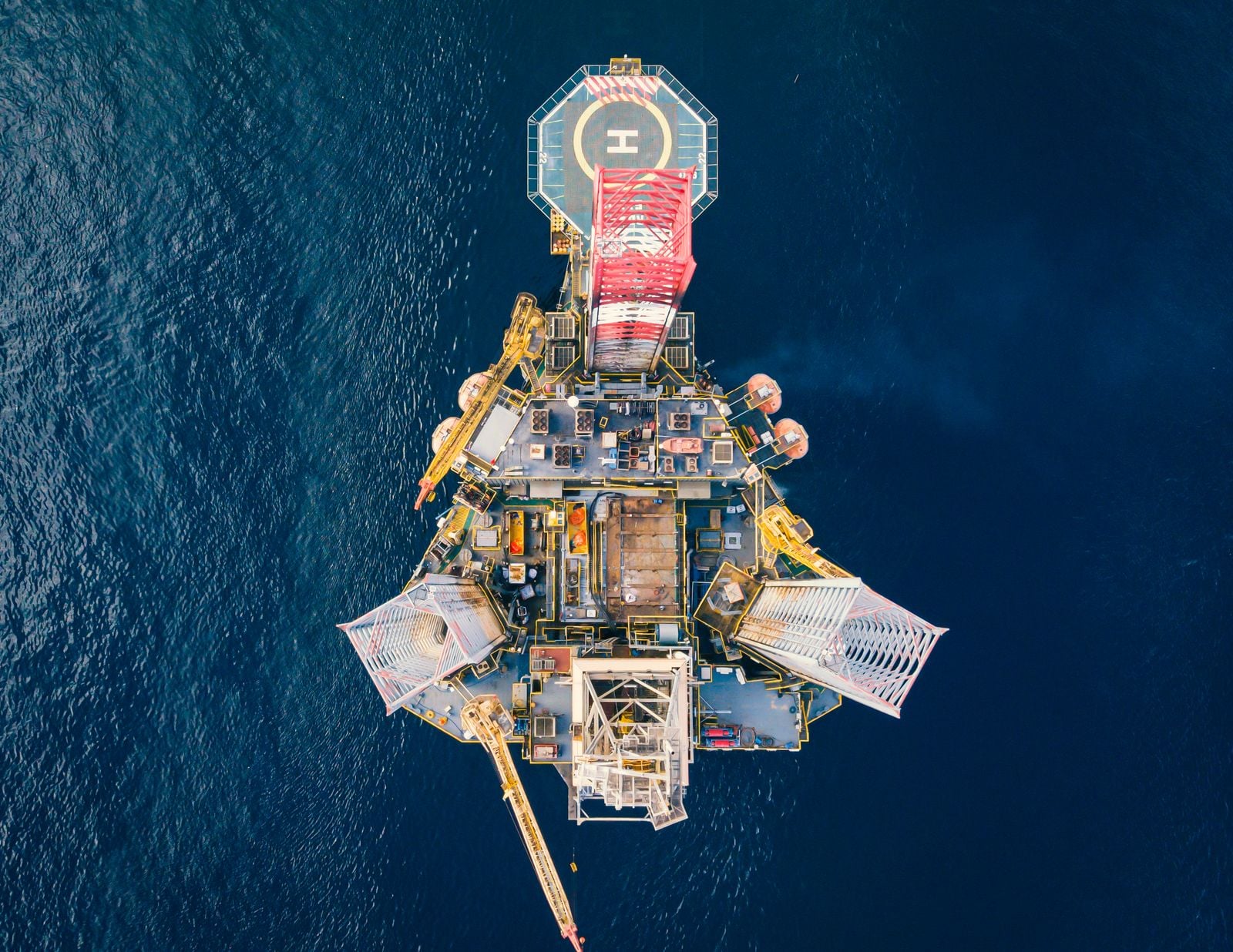
The Gulf Offshore Research Institute has been awarded $20 million to turn idle Gulf oil platforms into hubs for energy, minerals and aquaculture
7 min read
Summary
The Gulf of Mexico is studded with roughly 1,300 fixed platforms, most of them past their productive prime, and each one is legally required to come down once the wells beneath it stop paying. Removing a single deepwater platform can cost tens of millions of dollars and takes explosives, heavy-lift vessels and years of permitting. A new research effort out of the Gulf Coast is asking a different question: what if some of that steel is worth more standing than scrapped?
In April 2026, the Gulf Offshore Research Institute (GORI), a Mandeville, Louisiana-based nonprofit, announced it had been named one of two winners of a 20million[GulfFuturesChallenge](https://www.nationalacademies.org/news/gulf−futures−challenge−winners−offer−bold−solutions−for−offshore−and−resilience−challenges)award—a50 million competition run by the National Academies of Sciences, Engineering and Medicine’s Gulf Research Program together with Lever for Change, not a federal agency grant. The award funds a five-year effort, led by GORI, to study and eventually retrofit offshore oil and gas platforms, wells and pipelines for reuse in clean energy, critical-mineral recovery, aquaculture and ocean monitoring, rather than decommissioning them at enormous cost. The University of Houston is one of several partners in the consortium, not its leader.
What the money is actually for
The award funds a research and demonstration consortium, not a single construction project. GORI has assembled partners that include the University of Houston, through its Repurposing Offshore Infrastructure for Continued Energy (ROICE) program; the Harte Research Institute at Texas A&M University-Corpus Christi; Louisiana State University; the University of Michigan; the University of Southern Mississippi; and industry and nonprofit partners including Blue Latitudes, Gulf Trust, the FerVid Group and Blue Silo Aquaculture. The University of Houston’s share of the award is about 1.3millionoverfiveyears,splitbetweentheROICEprogram’stechno−economicworkandaworkforce−developmenteffortrunthroughtheuniversity’sCullenCollegeofEngineering.Thestatedgoalistoproducetechnical,economicandenvironmentalassessmentsofwhat“repurposing”wouldactuallyinvolveforspecificassettypes—ajacketedshallow−waterplatform,adeepwaterproductionhub,asubseapipelinenetwork—andtocomparethosepathwaysagainstthebaselineoffullremoval.Thatmeansdeskstudies,modelling,sitecharacterisationandstakeholderwork,notnewhardwareinthewaterondayone,thoughpermittingforthefirstdemonstrationplatformisalreadyunderwaythroughtheBureauofOceanEnergyManagement,withGORIaimingtohavefiveoperationalplatformsproducingmeasurablereturnsby2030.Italsobuildson[theROICEprogramattheUniversityofHouston](https://maketecheasier.com/mte−the−roice−program−at−the−university−of−houston−started−in−2022−as−a−thought−experiment−about−what−to−do−with−thousands−of−dead−gulf−oil−wells−pipelines−and−platforms−four−years−later−it−received−a/),whichbeganin2022asaninternalthoughtexperimentaboutrepurposingdeadGulfinfrastructure.ROICEisnowoneofthenamedpartnersinGORI’swinningproposal,receivingabout800,000 of the 20millionawardtoleadthetechno−economicanalysis.GORIis,ineffect,thatearlyideascaledupwithanationalresearch−philanthropyawardandamuchbroaderacademicandindustrybench.WhytheGulfhassomuchidlesteelTheGulfofMexicohasbeendrilledindustriallysince1947,when[Kerr−McGeecompletedthefirstout−of−sight−of−landoffshorewell](https://aoghs.org/offshore−history/offshore−oil−history/)offLouisiana.SincethentheindustryhasinstalledthousandsofplatformsontheOuterContinentalShelf,thelargemajorityinshallowshelfwatersandasmaller,farmorevaluablepopulationindeepwater.Underthefederal“idleiron”policy,firstformalisedina[2010NoticetoLesseesfromtheBureauofSafetyandEnvironmentalEnforcement](https://www.bsee.gov/faqs/what−is−the−idle−iron−policy−and−why−does−it−exist),operatorsmustplugwellsthathavebeeninactiveforfiveyearsandremovetheassociatedstructureswithinasetwindowafterproductionends.TherulewaswrittenpartlytostoptheGulffromfillingupwithrusting,unmaintainedplatformsafter[HurricaneIkedestroyedseveraldozenshelfplatformsin2008](https://www.offshore−mag.com/regional−reports/article/16778760/mms−most−damage−from−hurricane−ike−is−on−the−shelf).Ithasbeeneffective:hundredsofstructureshavebeendismantledsince.Butitalsolocksoperatorsintoasingleend−state—removal—regardlessofwhetherthesteelmighthaveanotheruse.ThatisthepolicygapGORI’sworkisaimedat.AnyalternativetofulldecommissioninghastosatisfyBSEE,theBureauofOceanEnergyManagementand,forsomeuses,theEnvironmentalProtectionAgencyandtheArmyCorpsofEngineers.Producingthetechnicalcaseisaprerequisiteforproducingtheregulatorycase.Cleanenergy,minerals,aquaculture,monitoring—whateachpathwayactuallyisThereusepathwaysnamedinGORI’sawardarenotequallymature,anditisworthbeingpreciseaboutwhateachonemeans.Cleanenergyisthebroadestcategoryandcoversseveraldistincttechnologies:greenhydrogenproduction,offshorewindandsolarmountedonexistingjackets,andgeothermalenergydrawnfromtheheatofdepletedreservoirs.Theengineeringchallengeisthatoilplatformsweredesignedfortheloadsofdrillingandproductionequipment,notfortheverydifferentfatigueloadsofaturbineorthecorrosionprofileofahydrogenelectrolyzer.Reuseisnotautomatic;itneedscase−by−casestructuralassessment,whichisexactlywhattheresearchconsortiumissetuptoproduce.Critical−mineralrecoveryismorespeculative.Theideaisthatproducedwaterfromwells,andbrinesassociatedwithGulfformations,containdissolvedlithiumandotherelementsthatcouldbeextracted.Directlithiumextractionfrombrineisalreadymovingfromresearchtocommercialdevelopmentonshore,notablyinthe[SmackoverFormationinArkansas](https://www.usgs.gov/publications/lithium−resource−smackover−formation−brines−southern−arkansas),wheretheU.S.GeologicalSurveyestimatesseveralmillionmetrictonsoflithiuminplace.WhethertheconcentrationsandvolumesinGulfoffshorefluidsjustifysimilaroffshoreextractionisexactlythesortofquestiontheinstitutehastoanswerbeforeanyonebuildsanything;GORI’spartnershavesaidtheyplantouseamachine−learningscreeningtooltomatchindividualplatformstotheirhighest−valuereuse.Aquacultureonplatforms—oftencalled“rigs−to−reefsaquaculture”—hasbeendiscussedfordecades.Theexisting[Rigs−to−Reefsprogram](https://www.bsee.gov/what−we−do/environmental−focuses/rigs−to−reefs),whichletsoperatorstoppleorpartiallyremoveplatformstocreateartificialreefs,hasbeenrunningsincethe1980sandhasconvertedmorethan600Gulfstructuresintopermittedreefsites.Activeaquaculture—farmingfishorshellfishonalive,maintainedplatform—isafurtherstep,andonethatrunsintoapermittingregimethathashistoricallystruggledwithoffshorefinfishoperationsinU.S.federalwaters.Oceanmonitoringroundsoutthefourpathways:usinginstrumentedplatformsasfixed,powerednodesforcontinuousdatacollectiononcurrents,waterchemistryandmarinelife,somethingtheGulfcurrentlygetsonlyinpatchesfromshipsandbuoys.WhattherecorddoesnotyetshowTheGORIawardisaresearchanddemonstrationgrant,andthehonestframingisthatalmostnothinghasbeenprovedyetatGulfscale.NoGulfplatformhostsacommerciallithium−extractionplant.NoU.S.federal−watersplatformrunsacommercialfinfishfarmorapermanent,platform−anchoredocean−monitoringnetworkofthekindGORIenvisions.Theinstituteexistspreciselybecausethetechnical,economicandregulatorycaseforanyoftheseisincomplete.Theeconomiccaseisthehardestpart.DecommissioningaGulfplatformisexpensive,butitisaknowncostwithadefinedend.Repurposingtransferslong−termliability—thewellbelow,thestructureabove,thepipelinesoutward—fromanoiloperatorwithdecadesofexperiencetosomeotherentitythathastoacceptit.WhoinsuresaconvertedplatformagainstthenextCategory5hurricaneisnotaresearchquestion;itisamarketquestion,andthemarketdoesnotyetexist.WhythisisatechnologystoryRepurposinginfrastructureisoneofthequieterwaystechnologyreshapestheworld.The[shippingcontainer](https://maketecheasier.com/mte−how−did−a−metal−box−first−secured−to−a−converted−tanker−in−april−1956−cut−ocean−freight−loading−costs−by−more−than−90−per−cent/)didnotrequireinventingnewships;itrequiredrethinkingwhattheexistingportwasfor.TheGORIquestionissimilarinshape.TheGulfalreadyhasthewells,thepipelines,theplatforms,thehelicopterroutesandtheworkforce.Whatitdoesnothave,yet,isadocumentedtechnicalbasisforusinganyofthatforsomethingotherthanproducingoilandgas.Thatdocumentationiswhatthe20 million is meant to buy. Whether any of the pathways survive the analysis, and which ones the offshore regulators are willing to permit, will not be clear for several years. The first deliverables from the consortium are expected to be published assessments rather than pilot installations.
The steel is not going anywhere in the meantime. Under current rules, the clock on each idle platform keeps ticking.