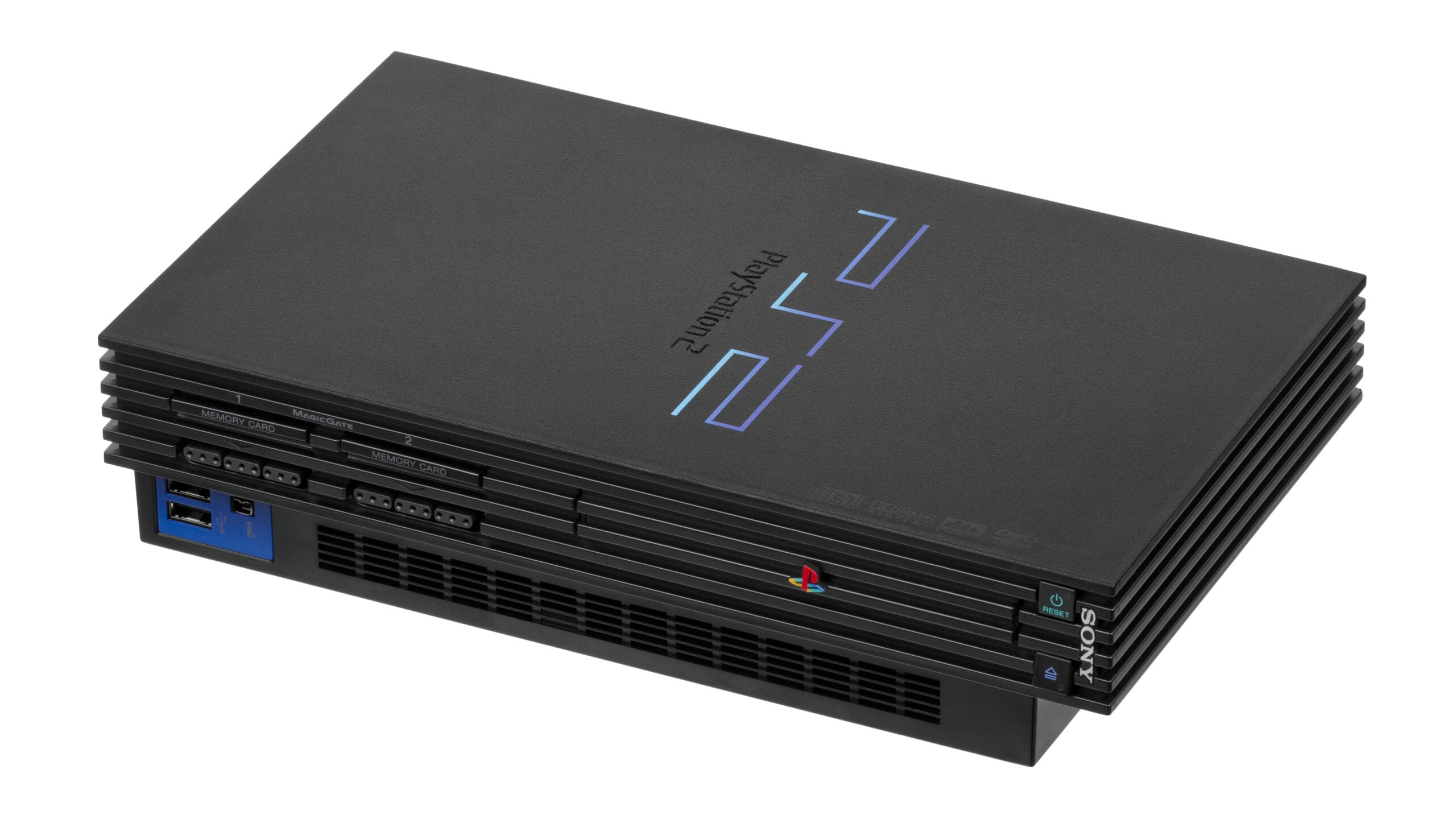
Summary
The PlayStation 2 is still the best-selling console on the official numbers. Sony Interactive Entertainment’s Business Data and Sales page lists cumulative worldwide PlayStation 2 hardware unit sales as “More than 160 million (As of March 31, 2012).” Nintendo’s original Switch, listed at 157.20 million as of 30 September 2026 on the company’s hardware and software sales units page, sits at least 2.8 million short of that Sony floor. Nintendo’s own page separately lists Nintendo Switch 2 hardware at 26.35 million as of the same date, and that total is not added to the original Switch for this comparison. The distinction matters because the two figures describe two different product lines in Nintendo’s reporting, and because the Sony number is not a precise final tally. It is a floor that was last stated more than fourteen years ago. Taken together, those two points mean the PS2 remains in front on the published figures, and the real distance between the two consoles is probably larger than simple subtraction suggests. What Sony actually publishes about the PS2 Sony’s sales page groups its console totals under the heading “Cumulative Worldwide Hardware Unit Sales (Sell-in).” Sell-in means units shipped to retailers and distributors, not units confirmed as bought by consumers. Both of the totals compared here are reported on that basis. The PS2 row reads “More than 160 million,” with an as-of date of 31 March 2012. Two things follow from that wording. First, 160 million is not an exact lifetime total. It is a minimum, stated as a rounded phrase rather than a precise count. Second, the figure is dated 31 March 2012, and Sony does not state on that page that the total stopped there. Sony has not published a later cumulative PS2 hardware total on that page, so 31 March 2012 remains the most recent checkpoint on that page. For context, the same table lists other PlayStation hardware under the same sell-in heading, including PlayStation 4 at more than 117 million as of 30 June 2022 and PlayStation 5 at more than 100 million as of 10 November 2026. Those entries carry far more recent as-of dates than the PS2 line, which still reads 31 March 2012. Sony and Nintendo have been hardware rivals since a failed 1991 CD deal that, as an earlier Make Tech Easier account sets out, helped create PlayStation. The practical effect is that anyone comparing a current console against the PS2 is comparing a recently dated number against one dated 2012. Where the Switch stands and how the gap is calculated Nintendo’s investor relations page lists Nintendo Switch hardware at 157.20 million units as of 30 September 2026, the close of the company’s most recent reported quarter. Like Sony’s table, these are worldwide consolidated sales, which in this context means shipments rather than verified consumer purchases. The arithmetic against Sony’s published floor is straightforward. Subtracting 157.20 million from 160 million leaves 2.80 million, so the original Switch is at least 2.8 million units short of the PS2’s stated minimum. The phrase “at least” is doing real work there. Because Sony’s figure is described as “more than 160 million” rather than an exact number, the true PS2 lifetime total is somewhere at or above that line, and quite possibly above it by a meaningful margin that Sony does not quantify on that page. Any amount by which the real PS2 total exceeds 160 million widens the gap rather than closing it. The 2.8 million difference should therefore be read as the smallest possible distance between the two consoles, not as a settled final margin. The Switch 2 total is a separate matter. Nintendo lists that system at 26.35 million units as of 30 September 2026, and it appears on the same page as its own line item. The two Switch generations are tracked independently in Nintendo’s reporting, and combining them to produce a figure that clears 160 million would be comparing a two-generation sum against a single console. Nintendo has not presented the two lines as a combined total against Sony’s number, and nothing in the official data supports doing so. On the published figures, the original Switch has not overtaken the PS2 and the two are not tied. What Nintendo still expects from the original Switch The original Switch is not finished shipping. Nintendo’s Financial Results Explanatory Material dated 5 November 2026 still forecasts 2.00 million units of the original Nintendo Switch for the fiscal year ending 31 March 2027. That projection is unchanged from the forecast Nintendo issued on 8 May 2026, which means the company’s expectation for the older hardware has not changed between those two dates. A forecast is not a result, and Nintendo’s full-year figures for the period ending 31 March 2027 will not be known until the company reports them. What the forecast does establish is that the original Switch is expected to keep adding units through the current fiscal year, which keeps the comparison with the PS2 an open question rather than a closed one. Whether those additional shipments are enough to clear a floor that may sit above 160 million is something the published data cannot answer today. Console prices have also moved since those older hardware generations shipped, which is a separate question from the unit totals, and one examined in an earlier Make Tech Easier report on why a PS5 costs more six years after launch. It is worth restating the basis of every number used here. Sony’s PS2 total and Nintendo’s Switch and Switch 2 totals are all sell-in figures, meaning hardware shipped into the retail channel rather than confirmed sales to consumers. That is a consistent basis for comparison, but it is not the same as a consumer sell-through count, and neither of the pages cited here provides one. On the official figures as they stand on 25 November 2026, the PlayStation 2 remains the best-selling console ever at more than 160 million units, and the original Nintendo Switch, at 157.20 million, is still behind it.