Summary
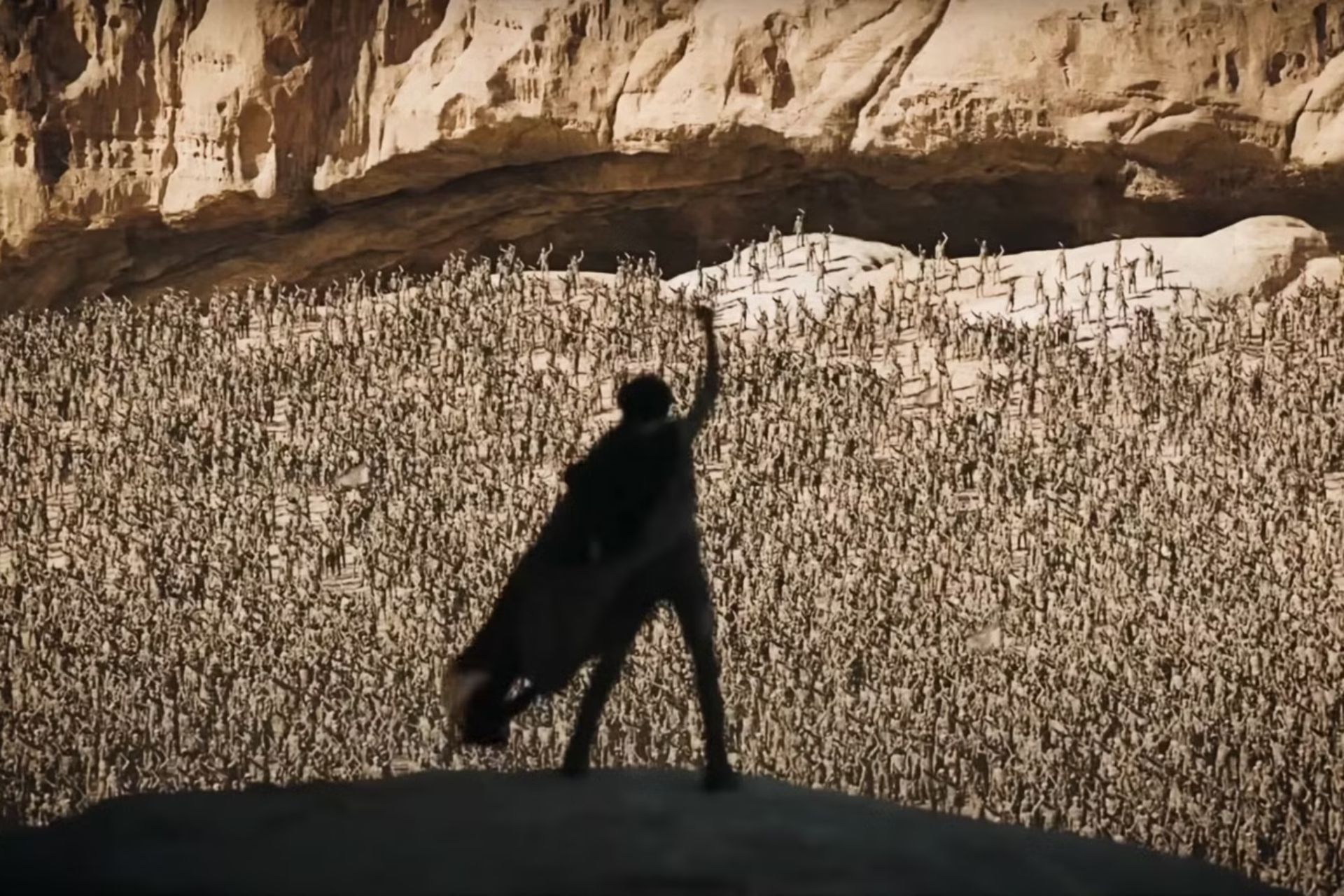
Dune: Part Three, the conclusion to the epic trilogy that director Denis Villeneuve started with Dune in 2021, comes out in December. The movies are based on the books by Frank Herbert (and later continued by his son, Brian). Together, the story of Dune spans thousands of years and visits many planets throughout the known universe. It’s hard to find a sci-fi series that’s denser and grander than this one.
But it’s not impossible. These sci-fi series give Dune a run for its money.
Foundation
Back to the source
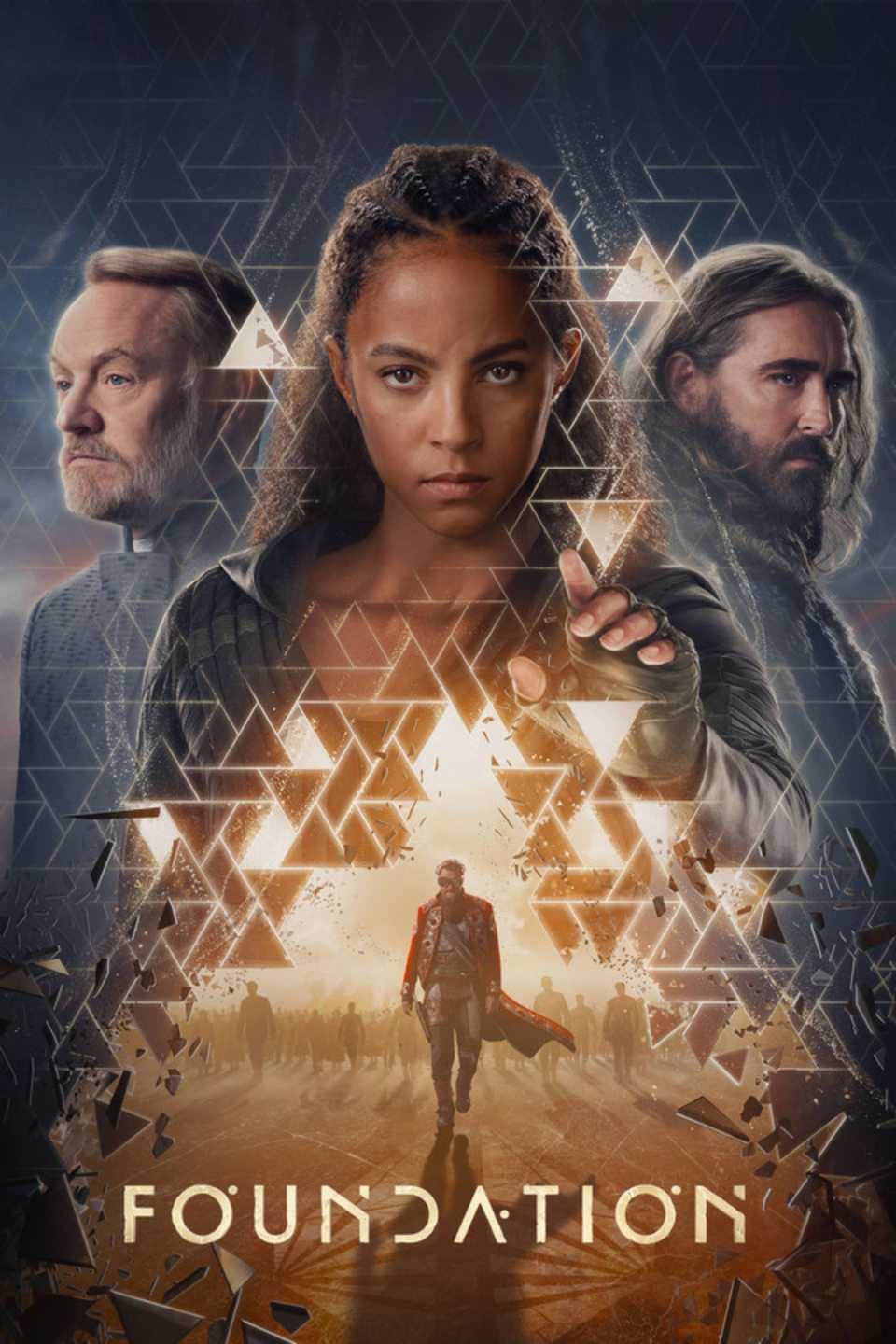
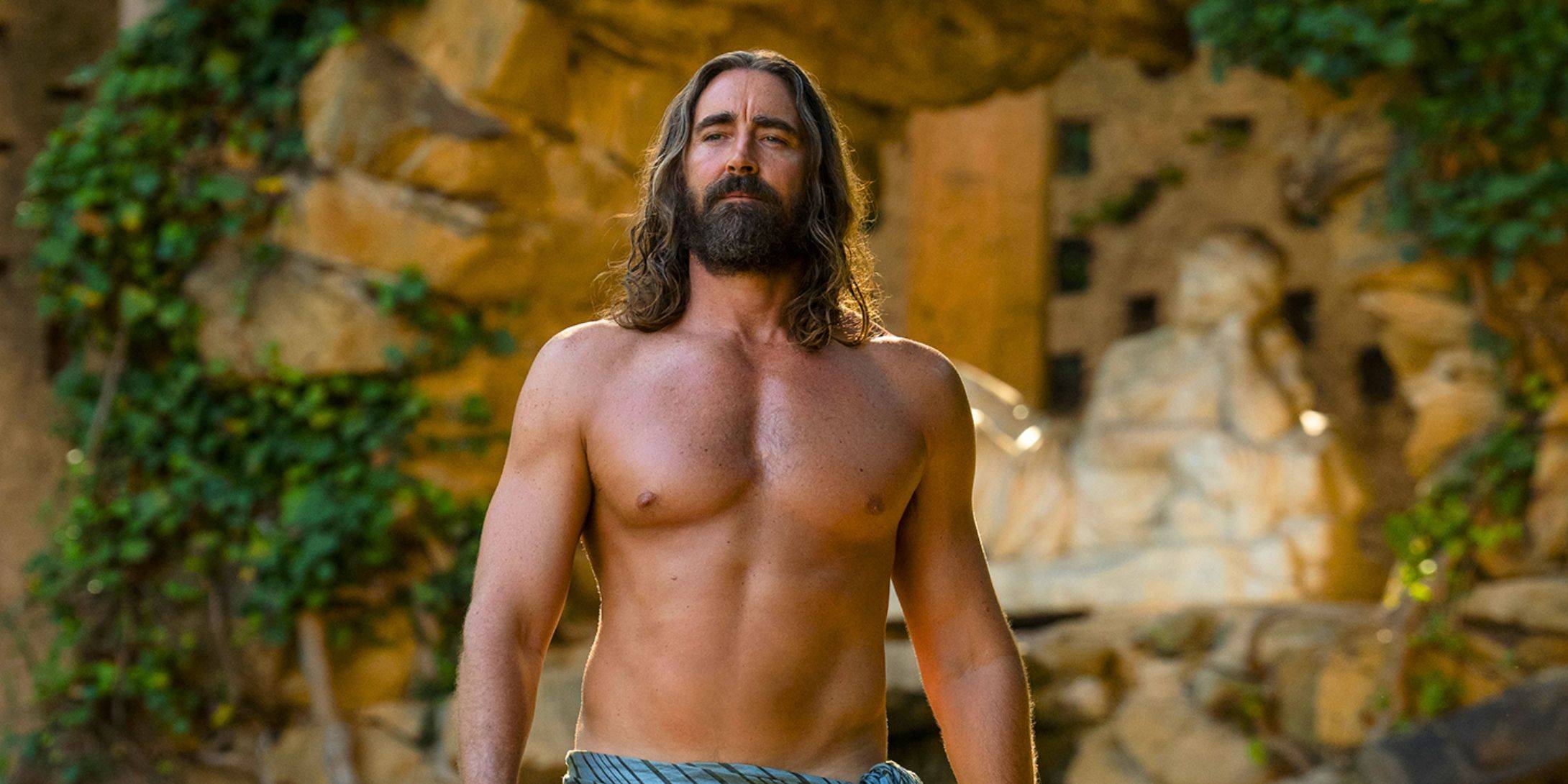
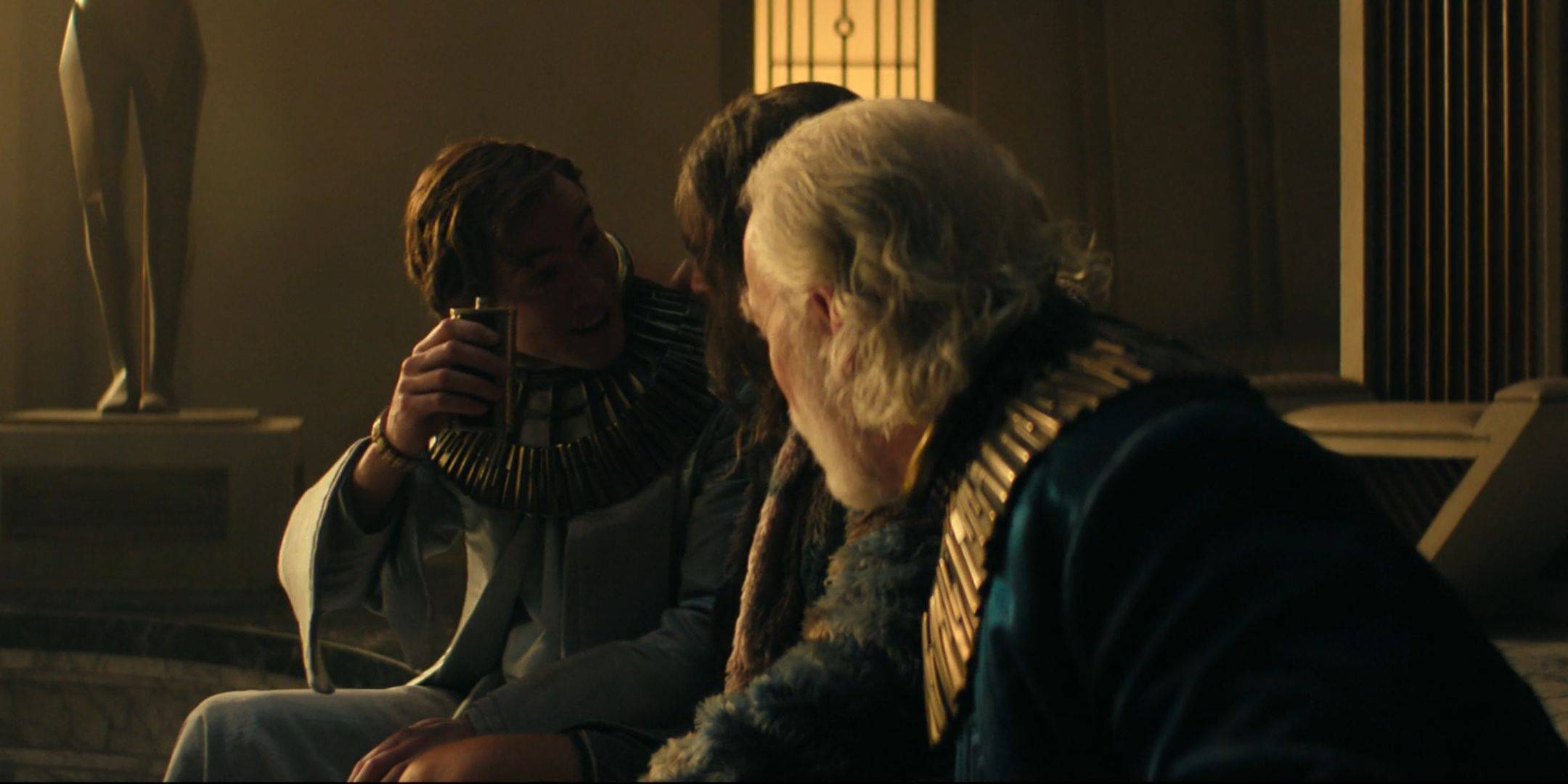
The Foundation books by Isaac Asimov are one of the literary inspirations behind Dune. Like the Dune books, the Foundation series takes place over tens of thousands of years. It concerns a mighty galactic empire that’s in a slow process of decline. A few people set up a colony, called the Foundation, that is meant the weather the coming dark age and make sure it’s as painless as possible.
Reading Foundation, it’s easy to see where Herbert got some of his ideas. Dune also has a lot to say about building and maintaining a galactic empire, especially when you reach the later books like God Emperor of Dune. Apple TV is currently in the middle of adapting Foundation as a TV show, but the story is so huge it’s been hard to get a handle on.
- Release Date
- September 23, 2021
- Network
- Apple TV+
- Showrunner
- David S. Goyer




 Culture
If the Federation from Star Trek wasn’t quite as wholesome
Scottish author Iain M. Banks wrote 10 books in the Culture series, about a utopian, post-scarcity society made up of genetically modified human beings, humanoid aliens, and super-advanced AIs called Minds that do much of the work of running society. This is the Culture.
In the Culture, nobody has to work and everyone can do what they want, although the citizens have a habit of trying to nudge more “barbaric” civilizations onto more enlightened paths. A lot of the conflict in the books comes from the tension between the Culture and other powerful galactic civilizations who don’t appreciate all the meddling.
The Culture series is vast in scale and depth, and takes a different view of what a futuristic society would look like compared to a lot of other series. In some ways, the Culture is a paradise, but paradise isn’t all it’s cracked up to be.
Warhammer 40k
So vast it’s almost impossible to experience it all in one lifetime
The Warhammer 40k universe began in 1987, when Games Workshop released a tabletop wargame where players pitted their armies of miniatures against each other. Warhammer 40k takes place in the 41st century, when humankind is fighting for survival against hostile alien races such as the warlike Orks, the insectoid Tyranids, the robotic Necrons, and the technologically advanced T’au.
Over time, the Warhammer 40k franchise expanded to include hundreds of books, divided into epic series like The Horus Heresy. There are also a great many video games and an upcoming live-action-TV series. This grimdark universe is only getting more popular as time goes on.
Remembrance of Earth’s Past
To the Big Crunch and back
The Remembrance of Earth’s Past trilogy by Liu Cixin starts as a story about first contact, as we humans face down a potential invasion from hostile extraterrestrials. That’s already a big story, but by the end of the trilogy, things have expanded considerable. We learn about civilizations throughout the universe that have used advanced technology to play around with dimensions in a way that threatens the nature of time and space itself. The story starts big and gets bigger.
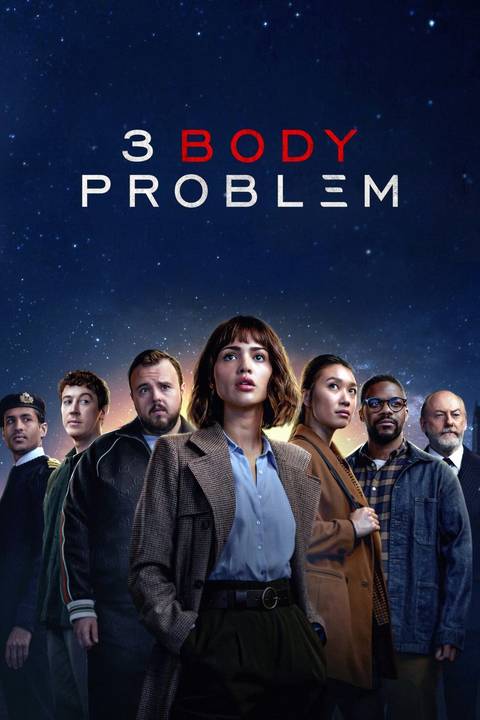
Netflix is currently adapting Remembrance of Earth’s Past into a TV series called 3 Body Problem, with one season down and two to go. I’m looking forward to seeing it follow the books to some very weird places.
- Release Date
- March 21, 2024
- Network
- Netflix
- Directors
- Minkie Spiro, Jeremy Podeswa, Derek Tsang Kwok-Cheung, Andrew Stanton
The Hitchhiker’s Guide to the Galaxy
The universe is vast, unknowable, and very silly
Author Douglas Adams famously called his Hitchhiker’s Guide to the Galaxy series “a trilogy in five parts,” which gives you an idea of the tone it’s going for. Mild-mannered Englishman Arthur Dent finds himself aboard an alien spaceship after the Earth is unceremoniously destroyed to make way for a hyperspace expressway. From there, he goes on an epic adventure that will take him to prehistoric Earth, to a restaurant at the end of the universe, and maybe reveal the meaning of existence.
The Hitchhiker’s Guide to the Galaxy is more a parody of epic sci-fi tales than an epic sci-fi tale in and of itself, but it’s as grand and sweeping as any of them.
Doctor Who
The mother of reinvention
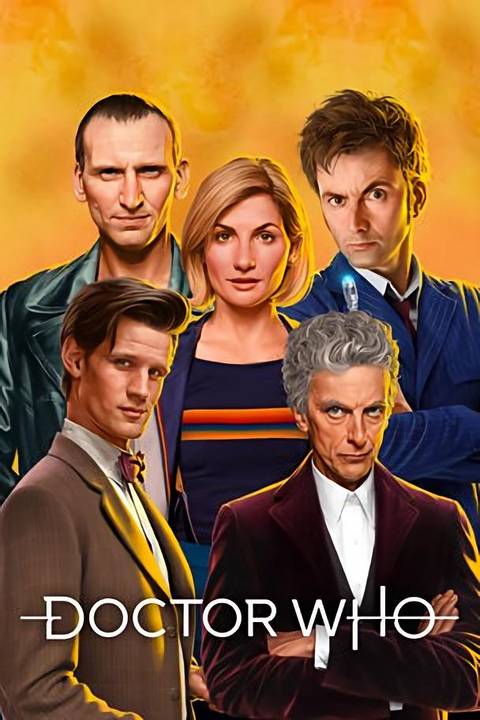
Give or take a few gaps, Doctor Who has been running more or less uninterrupted since it first aired on the BBC in 1963. It’s a TV show about a humanoid alien who regenerates into a different from time to time, which explains how he’s been around for so long. In his TARDIS, the Doctor and his companions visit distant worlds, travel backwards to the dawn of time and forward to the heat death of the universe, participate in wars, encounter alien civilizations, and maybe even unlock the mysteries of the human heart. The scale is similar to The Hitchhiker’s Guide to the Galaxy, if slightly less funny.
Over the years, Doctor Who has also shown up in books, video games, and untold amounts of merchandise. The original show has a way of making itself over for each new generation, ensuring its history will just get more and more complex.
- Release Date
- 2005 - 2021-00-00
- Network
- BBC
- Directors
- Graeme Harper, Euros Lyn, Douglas Mackinnon, Jamie Magnus Stone, Charles Palmer, Rachel Talalay, Joe Ahearne, James Strong, Jamie Childs, Saul Metzstein, Toby Haynes, Wayne Che Yip, Nick Hurran, Richard Clark, James Hawes, Daniel Nettheim, Colin Teague, Keith Boak, Azhur Saleem, Adam Smith, Andrew Gunn, Nida Manzoor, Lawrence Gough, Paul Murphy
- Writers
- Steven Moffat, Russell T. Davies Star Wars The franchise to end all franchises As Dune was inspired by Foundation, Star Wars was inspired by Dune; Tatooine, the desert planet where Luke Skywalker lives in the original movie, looks more than a little like Arrakis, the desert planet where Paul Atreides has set up shop. But Star Wars has managed to penetrate much deeper into the culture than Dune. The original trilogy told the tale of the scrappy Rebel Alliance taking down the Empire, the prequel trilogy went back in time to show us how the innocent Anakin Skywalker became the tyrannical Darth Vader, and the sequel trilogy kicked off a whole new era for the franchise that includes live-action television shows for the first time. And there are books, video games, and other media filling out every corner of this space opera universe. Now every Star Wars project hits, but it’s to deny its enormous impact. Back to Dune Even after highlighting all of these series, it must be said that Dune can stand toe to toe with pretty much any of them when it comes to scale and ambition. With Dune: Part Three arriving on December 18, 2026, people are going to be more curious than ever about its dense lore.