Summary
The Booker Prize is one of the world’s most prestigious literary awards. This year, it was given to author M. John Harrison for his book The End of Everything. That’s significant, because Harrison has been writing for over 50 years and it’s nice to see him get his due, and because The End of Everything is the first sci-fi book to receive this prestigious honor.
Or at least, that’s how a lot of outlets are framing this win. But there is another book that won the Booker Prize in the year 2000 that you could argue at least has a sci-fi twist.
What is The Blind Assassin?
Beware spoilers
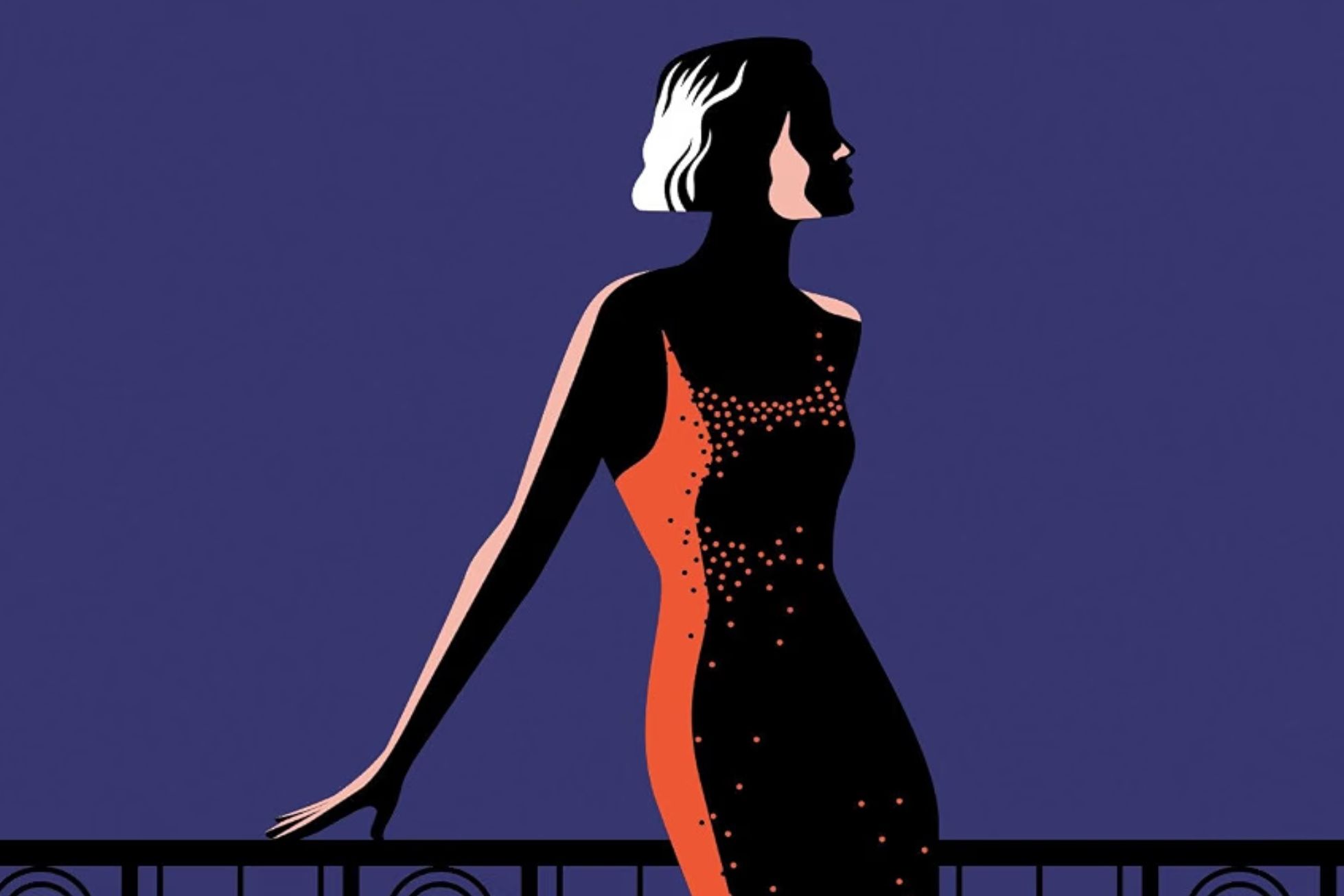
The Blind Assassin was written by author Margaret Atwood and published in 2000. The narrative is complex. There’s a framing story where we meet Iris Chase Griffen, a dying woman in her 80s living in her hometown of Port Ticonderoga, in Ontario, Canada. Iris looks back on her life, remembering how she and her younger sister Laura were born into a wealthy family and lived in an opulent mansion. Their mother died young, the Great Depression hurt the family financially, and their father made an alliance with a wealthy manufacturing tycoon, Richard Griffen. As part of the deal, Iris had to marry the older Griffen at the age of 19.
Some of this is told through normal prose, and some of it is conveyed through clippings of news articles published over the years. There is also a novel-within-a-novel, a book called The Blind Assassin, purportedly written by Laura. We read long passages from it. The novel-with-a-novel describes a man and a woman meeting in secret for an affair. There’s a class difference; the man comes from more humble beginnings.
The man happens to be a sci-fi writer, and tells the woman an extended story over their many meetings, a story that the woman eventually contributes to. It takes place on the planet Zycron, where child slaves are forced to weave carpets, work that leaves many of them blind. After that, some get jobs as assassins. The people of Zycron also sacrifice young girls as part of their religion, cutting out their tongues beforehand to keep them from protesting. This story-within-a-story-within-a-story is about a blind assassin who is assigned to kill a sacrificial maiden, but the two end up falling in love instead.
Is The Blind Assassin really a sci-fi book?
And does it matter?
There is more to the story of Zycron and more to the sad story of Iris and Laura, but we’ll leave some things for you to discover on your own. The Blind Assassin is written with grace and depth, evincing Margaret Atwood’s usual lyricism, diction, and eye for detail.
But is it really a sci-fi story? Technically, no. The bulk of the book is dedicated to describing Iris’ life, both in the modern-day and in the 1920s, 30s, and 40s. There are some major revelations that come towards the end of the book that hit extremely hard, and that make you want to read the text over again with fresh eyes.
On the other hand, the story of Zycron takes up a substantial amount of text, and is entertaining in its own right. Atwood clearly has a handle on what pulpy sci-fi stories from this time period sounded like, and the tale takes on new meaning once it becomes clear how it reflects actual events in the lives of Iris and Laura.
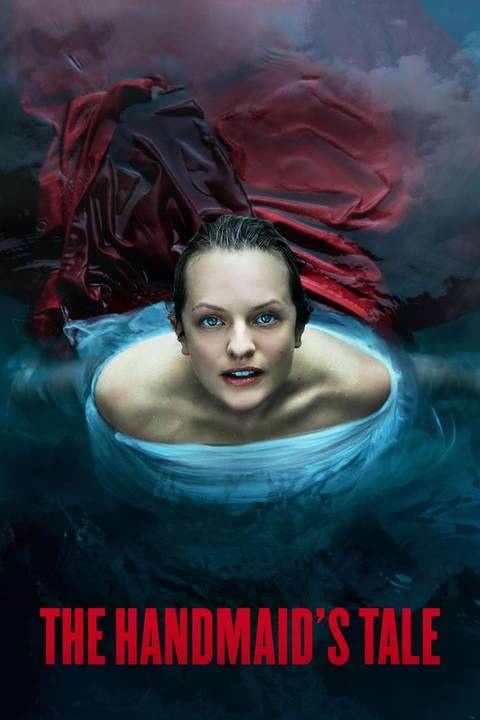
Although she can’t be pigeonholed into any one genre, Margaret Atwood is closely associated with science fiction. Her most famous work, The Handmaid’s Tale, is set in a dystopian world where women who are able to bear children are kept as slaves. Her MaddAddam trilogy is a post-apocalyptic story about run-away genetic engineering. The Blind Assassin doesn’t fit into the sci-fi genre as comfortably as either of those two works, but it’s in the ballpark.
Why not read both?
Sci-fi for everyone
That said, I don’t blame anybody who says that The End of Everything is the first sci-fi novel to win the Booker Prize. It’s set in England after the governments of Europe have collapsed followed an invasion by mysterious extraterrestrials called the iGhetti. Our lead character, Phillip Tennent, makes a living scavenging for iGhetti artifacts that wash up on shore in the seaside town where he lives. There’s no denying its sci-fi bonafides.
The Blind Assassin is Margaret Atwood’s best-selling novel after The Handmaid’s Tale, and it received a lot more attention after it won the Booker Prize. Something similar is happening with The End of Everything. Mostly, I’m just happy that a fantastic book is getting more attention. And if you enjoyed The End of Everything, or if you’re just a fan of sci-fi or good books in general, The Blind Assassin belongs on your list.
Atwood on film
Perhaps this attention means that Hollywood will look closer at adapting some of M. John Harrison’s books for the screen. Margaret Atwood is ahead of him where that’s concerned. In addition to Hulu’s adaptation of The Handmaid’s Tale, Netflix’s adaptation of Atwood’s 1996 book Alias Grace is one of the best-kept secrets on the streaming service.
- Release Date
- 2017 - 2025-00-00
- Network
- Hulu
- Showrunner
- Bruce Miller