Summary
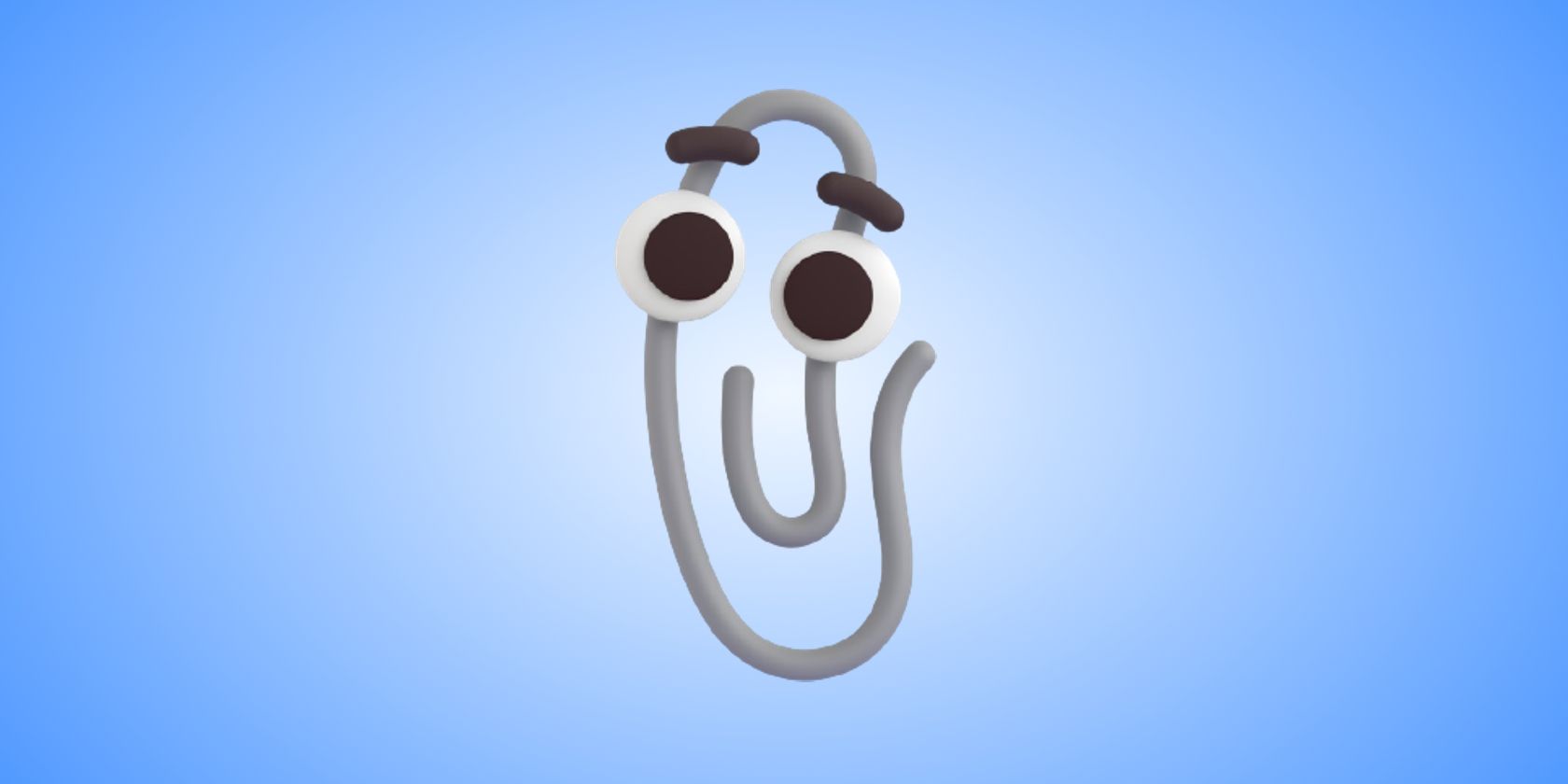
Thirty years ago this month, Microsoft shipped a paperclip that wanted to help you write a letter, whether you were writing one or not. Microsoft released Office 97 to manufacturing on November 19, 1996, and three decades later it has a vastly smarter assistant and the same habit: it puts a helper in front of people before asking if they want one, then backs off once the complaints pile up. It’s as if Clippy’s spirit lives on in more than 100 Copilots. The 2026 Copilot retreat shows Microsoft knows the lesson; it just keeps learning it too late. Microsoft’s fix was to switch Clippy off and mock him Office XP’s victory lap Before they were meme fodder, virtual assistants were a serious bet on probabilistic computing. When most computer users first met Clippy in early 1997, the animated paperclip looked like a goofy desktop mascot. In reality, it was the consumer-facing wrapper for Project Lumiere, an ambitious Microsoft Research initiative that used Bayesian probability models to infer user intent in real time. To bridge the gap between complex math and anxious PC novices, Microsoft brought in illustrator Kevan Atteberry to sketch a cast of character candidates and enlisted Stanford psychologists to test them for trustworthiness and likability. Out of roughly 250 options, the expressive paperclip won. The problem wasn’t the art, or even the underlying math, but rather the execution of the social contract. In his later Stanford thesis examining the Office Assistant, Why People Hate the Paperclip, researcher Luke Swartz noted that effective software agents need to leave users feeling in control and respect basic social etiquette. Clippy routinely failed both tests, most infamously with its hair-trigger “It looks like you’re writing a letter” prompt. While Swartz’s research showed a subset of users genuinely found the assistant helpful, the broader backlash was fierce. Even Stanford professor Clifford Nass, who had consulted on Microsoft’s early social interfaces, later panned Clippy’s social instincts as abysmal and “utterly clueless.” Ultimately, Clippy exposed the central trap of anthropomorphic UI: giving software a friendly face implicitly promises human-level intuition, until it interrupts your workflow. In October 2025, the company rolled out Mico, an expressive new avatar for Copilot that even shipped with a hidden Easter egg allowing users to morph it back into Clippy. Yet the revival was short-lived. By August 2026, Microsoft pulled Mico from Copilot Voice entirely, relegating it to Learn Live. Where Clippy survived four years as Office’s default helper, Mico barely made it ten months. Meanwhile, the original paperclip found an unlikely second life outside Redmond when right-to-repair advocate Louis Rossmann turned Clippy into a viral profile-picture protest against modern data harvesting and corporate overreach, transforming the most hated assistant in software history into an unlikely symbol of restraint. Copilot ran the Clippy playbook across an entire OS Everywhere, all at once When Copilot arrived with Windows 11 version 23H2, it did not stay confined to a corner of the screen like an animated paperclip, spreading instead into Notepad, Photos, Paint, the context menu, and Office until guides began tallying 10 separate Windows 11 AI features worth disabling. The most aggressive push came with Recall, a feature designed to screenshot your desktop every few seconds. Facing intense backlash, Microsoft delayed the rollout and made Recall an opt-in experience, though follow-up testing still uncovered extraction attacks and filtering gaps that let sensitive data slip through. Microsoft also tried to force adoption through subscription pricing, prompting Australia’s ACCC to sue the company after it bundled Copilot into Microsoft 365 Personal, hiked the price by 45 percent, and allegedly hid the cheaper Classic plan until subscribers tried to cancel. Even the fine print gave the game away, declaring Copilot “for entertainment purposes only” while Microsoft pitched it as a serious productivity tool and later blamed leftover Bing-era wording, creating the Swartz problem in legal form where the marketing promises a coworker and the contract promises a toy. The pushback finally hit a boiling point on social media when Windows chief Pavan Davuluri posted about Windows evolving into an “agentic OS,” drawing so much hostility from users that replies were switched off. The 2026 retreat looks a lot like 2001 Fewer buttons, same brain In a March 20 letter to Windows Insiders, Windows chief Pavan Davuluri promised Microsoft would “be more intentional about how and where Copilot integrates across Windows,” starting with Snipping Tool, Photos, Widgets, and Notepad. While some of the promised fixes are real, with Snipping Tool losing its AI entirely and admins getting a Group Policy to remove the Copilot app, much of the pullback is cosmetic. Notepad’s Copilot button simply became “writing tools” running the same AI with its toggle buried under “Advanced features,” even as Microsoft dialed back AI bloat by stopping force-installs of the Microsoft 365 Copilot app, pausing Ask Copilot on the taskbar, pulling eight actions from File Explorer, and ending Copilot on smart TVs. The cycle remains intact: ship it everywhere, absorb the backlash, retreat, and rebrand, leaving users to turn off features Microsoft refuses to stop pushing. Worse, the next assistant is already in preview. At Ignite 2026, Microsoft showcased an agentic Copilot that can find, move, and rename files, diagnose PC problems, and live inside Windows Search. For now, Copilot in Search is opt-in through Settings, leaving open whether consent survives the next earnings push. Clippy could only interrupt you, whereas an agent can act on your behalf, dramatically raising the cost of getting consent wrong. Happy birthday, Clippy The real lesson after 30 years is simple: help that arrives uninvited feels like surveillance, no matter how smart the underlying model gets. Clippy’s best feature turned out to be the off switch Microsoft finally gave it in 2001. Copilot needs that same switch now.