Summary
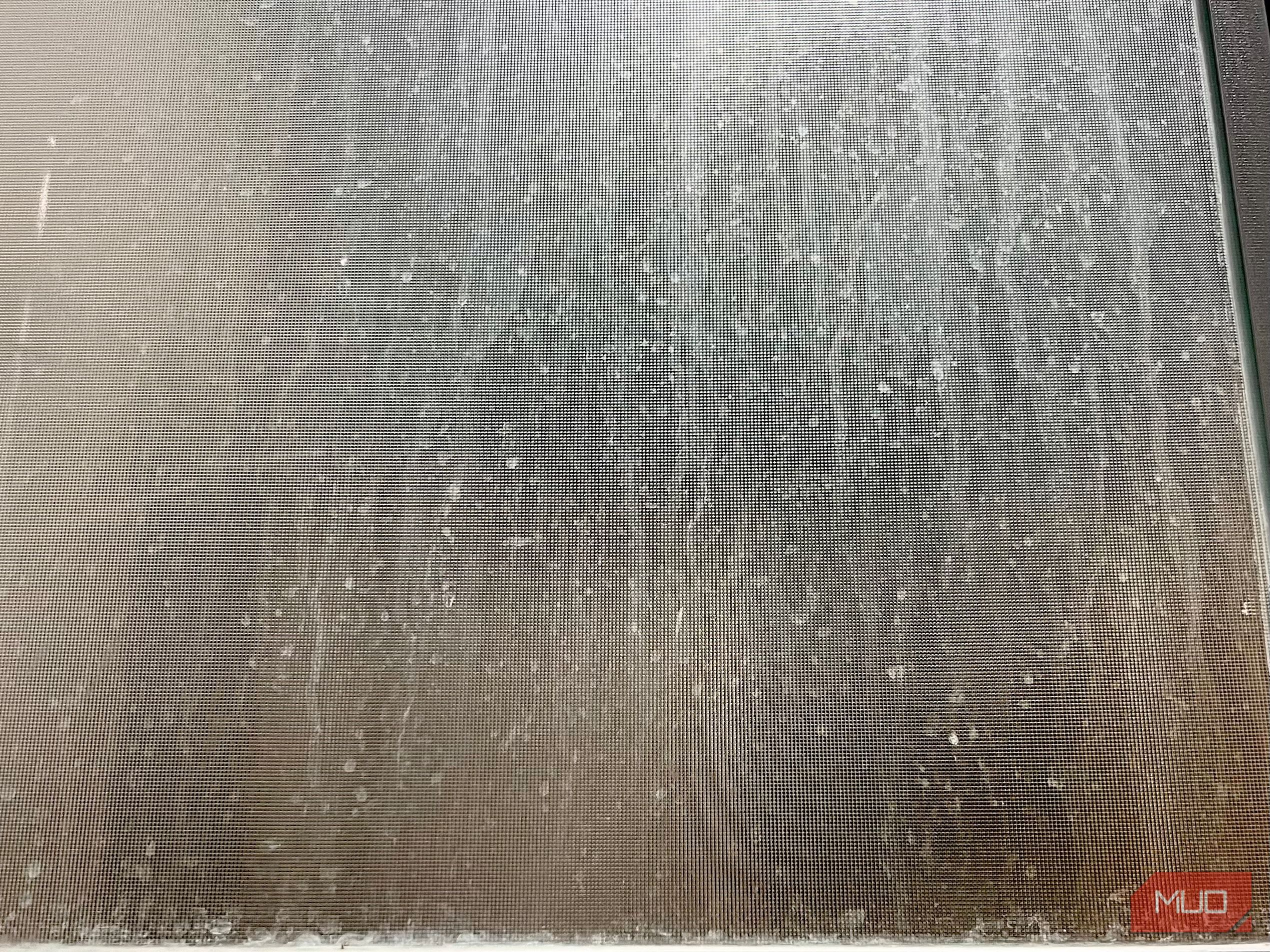
Nothing’s more annoying than spending ages scrubbing your shower glass, only to see the same cloudy white marks when it dries. You spray, scrub, rinse, and maybe even go over everything twice. Still there. You might think you just need a stronger cleaner. But if those marks are hard-water stains, your usual glass cleaner probably won’t do much to remove them. Before buying another cleaning product, figure out what’s stuck to the glass. You may already have what you need at home. Those white marks might not be soap scum Hard water leaves minerals behind every time you shower Look closely at your shower door. See those white circles where water droplets used to be? Or maybe there’s a cloudy film covering almost the entire glass. Those marks often come from hard water, which contains minerals like calcium and magnesium. When the water dries, some of those minerals stay on the glass. Over time, those little spots build up into a chalky layer that’s hard to remove. Soap scum is different. It forms when soap reacts with minerals in water, leaving behind a waxy film. Shampoo and body wash can also leave residue, especially near the bottom of the shower door. Sometimes you’re dealing with both. A glass cleaner might remove the soap film while leaving the mineral deposits behind. Wash off the soap residue first See what’s left once the glass dries Don’t grab the strongest bathroom cleaner just yet. Start with warm water, a few drops of dish soap, and a soft sponge. Wipe the glass from top to bottom. Spend a little more time near the bottom of the door, where soap residue collects. Rinse everything off, then dry it with a clean microfiber cloth. Wet glass can fool you. Those cloudy marks might seem to disappear when you rinse the door, only to show up again once it dries. If those white patches are still there, soap and water probably aren’t enough. White vinegar can help with stubborn mineral stains Give the acid time to work instead of scrubbing harder You probably already have a bottle of white vinegar in the kitchen. Vinegar contains acetic acid, which helps dissolve certain mineral deposits. But don’t pour it all over your shower without checking first. Some shower doors have protective coatings that need different care. The metal frame and nearby tiles might not handle it well, either. If you’re unsure whether yours has a coating, ask the company that installed it before using vinegar. A small spot test can’t guarantee that a protective coating is safe. If you’re confident it’s a plain, uncoated glass, here’s how to use diluted vinegar:
- Mix the solution: Combine equal parts white vinegar and water in a clean container.
- Start with a small spot. Dampen a microfiber cloth with the mixture and wipe it over a stained area. Keep it away from metal frames, rubber seals, and natural stone.
- Give it a few minutes. Let the solution loosen the buildup, but don’t allow it to dry on the glass.
- Wipe gently. Use a soft sponge or microfiber cloth.
- Rinse and dry. Wash off the vinegar with clean water, then dry the glass to see what’s left. Still seeing white patches? Try another round. Thick deposits sometimes need more than one treatment. Never mix vinegar with bleach or other cleaning products. Rinse off any previous cleaner before switching methods. Also, vinegar can damage certain household surfaces, including marble and limestone, so don’t let it drip onto those materials. Don’t let stubborn stains tempt you into scratching the glass More pressure isn’t always the answer After enough failed attempts, scraping the glass sounds tempting. A razor blade, steel wool, or a rough scouring pad might seem like the quickest way to get rid of thick buildup. I wouldn’t risk it on a shower door. One wrong move with a blade can leave scratches, while steel wool can damage glass coatings. Getting rid of a white stain isn’t much of a win if you end up with scratched glass. If vinegar isn’t working, look for a dedicated hard-water stain remover that’s safe for your type of glass. Follow the label, especially how long you’re supposed to leave it on before rinsing. If you’ve tried the right cleaners and the glass still looks cloudy, you might not be dealing with a stain anymore. Years of mineral buildup can permanently etch glass. That means the surface itself has been damaged. No amount of dish soap, vinegar, or scrubbing will bring back the original finish. A glass restoration professional can check whether it’s repairable, although badly damaged glass may need replacing. Keep a squeegee in your shower You don’t have to deep-clean your shower glass every weekend. Removing the water after each shower can help stop those white spots from building up in the first place. Grab a squeegee and run it down the glass while it’s still wet. Start at the top and work your way down, removing as much water as you can. I got the OXO Multi-Use Squeegee with Hook and hung it right inside my shower. That way, I see it every time I finish showering and remember to wipe down the glass before stepping out. Water can still collect around the bottom edges and corners. I use a dry microfiber cloth to catch those last few drops, much like wiping down bathroom mirrors to avoid streaks. You’ll still need to wash away soap residue every so often, but at least you’re keeping new mineral spots under control. It only takes a minute or two, and I’d rather do that after every shower than deal with another round of stubborn stains.