Summary
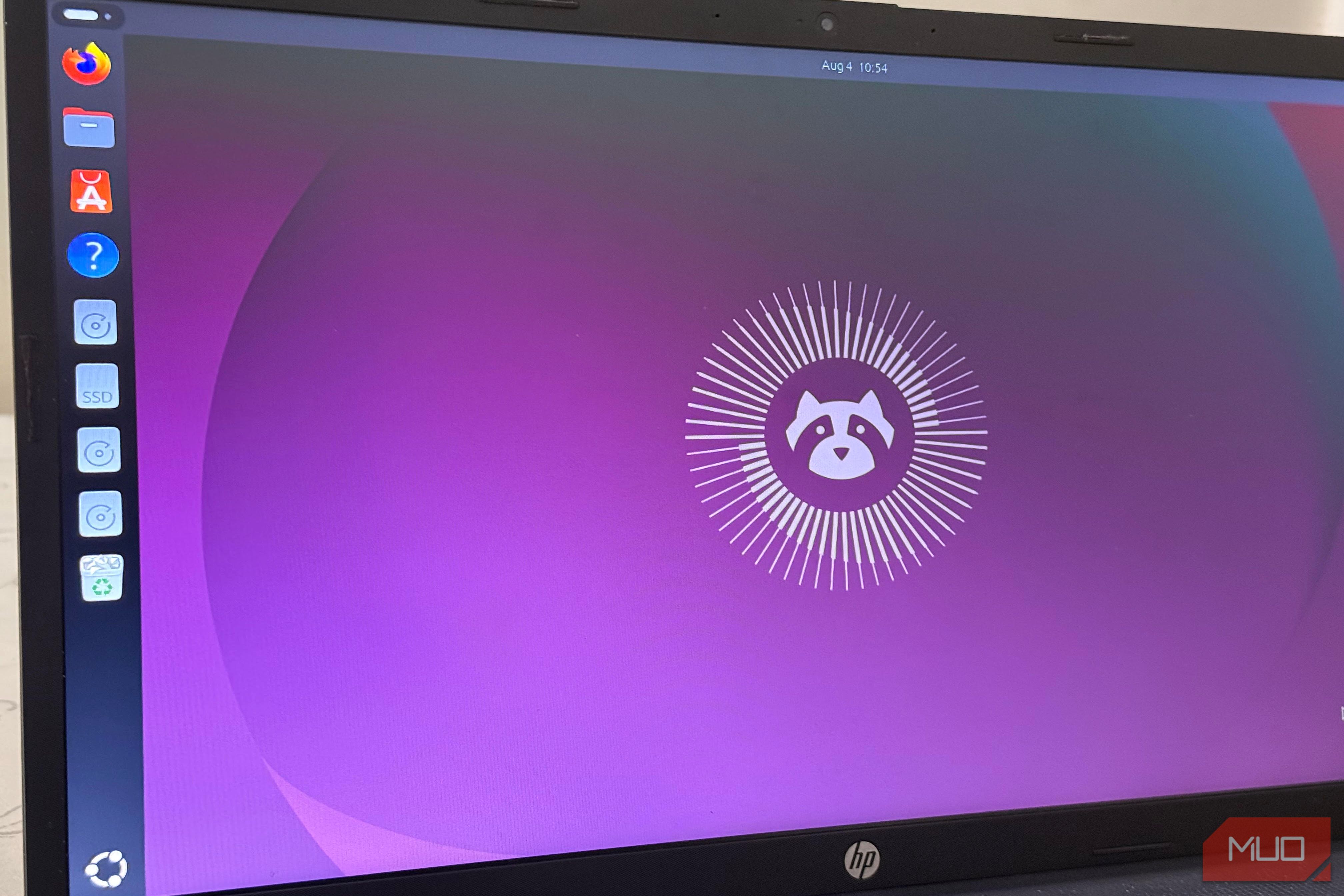
To this day, I still give the same advice: start with Ubuntu. I don’t believe it’s the most exciting distro, and it’s not even my daily driver. However, my reason aligns with that of many longtime Linux users: there are usually answers when something breaks. This practical fact has kept this recommendation relevant over the years. The internet already assumes you’re on Ubuntu Every fix, forum post, and command you’ll copy-paste was written with it in mind Through the years, when I opened a thread about a Linux issue — broken Nvidia drivers, Docker problems, and problematic WSL setups — I often found instructions written for Ubuntu, even though other distros can accomplish the same tasks. I once rebooted into a broken graphics setup after a kernel update, and that experience taught me the hard way. When I went online looking for a fix to my black screen with a blinking cursor, threads assumed I was using Ubuntu drivers and recommended the command ubuntu-drivers autoinstall . They were right; it fixed it. But this fix was written for Ubuntu, not for Linux in general. Run lsb_release -a before trying any fix you find online, since most Ubuntu guides are version-specific, even ones that read like they’ll work everywhere. Even newer distros built on Ubuntu’s base, like Linux Mint, Zorin OS, and Pop!_OS, don’t escape Ubuntu’s grip, and fixes that worked for Ubuntu in 2021 are often still relevant when something breaks in them. So, even though it may be totally unplanned, there are many more guides for Ubuntu, which leads more users to choose it, creating a self-perpetuating loop. Nobody picks Ubuntu to avoid problems They pick it because somebody else already broke it first People often view this as backward. Every OS breaks, and Ubuntu does, too. The main difference is that it has an enormous trail left behind by people who broke it before you. That’s about the biggest assurance anyone looking for a new distro can have. It means “I can fix this.” Early on, my Wi‑Fi disappeared after a routine update. I didn’t need a deep technical fix — I found a years-old thread where someone had blacklisted a kernel module for a different laptop; the same workaround matched my symptoms. This is the real value of Ubuntu’s five-year LTS cycle, and why 26.04 carries the same standard support window plus a free Ubuntu Pro extension for personal use. Although slower update support isn’t exciting, it ensures the same version of Linux remains relevant, documented, and fixable for several years, rather than just a few months. Point releases, like the 26.04.1 patch driver, fix hardware bugs between major versions, so the fix you’re searching for might already exist in an update you haven’t installed yet. Every other distro beats it somewhere Mint, Fedora, Zorin, and Arch all outshine Ubuntu without replacing it as the answer I will always recommend Ubuntu first, but that doesn’t mean it’s the best distro. In fact, it rarely is. | Distro | What it does better | Why Ubuntu gets recommended first | |---|---|---| | Linux Mint | Feels like Windows out of the box, less relearning | Mint’s fixes still rely on Ubuntu’s base | | Fedora | Newer software, closer to what’s coming next | Being current means fewer people have hit your exact bug yet | | Zorin OS | Layout switching for Windows and macOS switchers | Built on the same Ubuntu foundation as everything above it | | Arch | Total control over what’s installed and when | That control comes with a steep learning curve beginners don’t want at first. | Every distro in that table runs from a USB stick before you install anything, allowing you to compare real-world hardware behavior rather than focusing on a spec sheet. For each of these distributions, there’s a real category where they outshine Ubuntu. However, as long as the metric is choosing a distro based on what’s safest to start with, Ubuntu outshines all of them. Ubuntu isn’t anyone’s forever distro It’s naive to pretend that Ubuntu doesn’t have some real frustrations. Traditional packages still open faster than many Snaps; a handful of apps now ship as Snap-only, and you occasionally get an Ubuntu Pro notice in the terminal without asking for it. If you’d rather not see Pro notices, you can run the command sudo pro config set apt_news=false to disable them permanently. However, these are not enough reasons to undo Ubuntu’s real wins. What I’ve found genuinely interesting is the number of people I’ve encountered who’ve left Ubuntu for other distros like Fedora, Arch, or Debian as their daily driver but still point Linux newbies towards Ubuntu. Even though none of them stayed on Ubuntu, they still remember what it was like to start in the Linux ecosystem. I understand why it isn’t where someone stays after many years on Linux, but it’s the best place to start.