I spent $33 on my PC audio and immediately heard what I’d been missing
6 min read
Summary
The 3.5mm headphone jack built into a laptop or desktop computer is probably good enough for most Windows 11 users. After we’ve upgraded the hardware and tweaked the software, the biggest limiting factor in perceived sound quality is actually our own hearing. That said, not every inbuilt digital-to-analog converter (DAC) or 3.5mm headphone jack is of the same quality. There’s a chance the DAC and headphone jack on your PC are good enough, and there’s a chance they aren’t. The one way to guarantee you’re getting the best audio from your Windows 11 machine is to buy a cheap USB-C DAC.
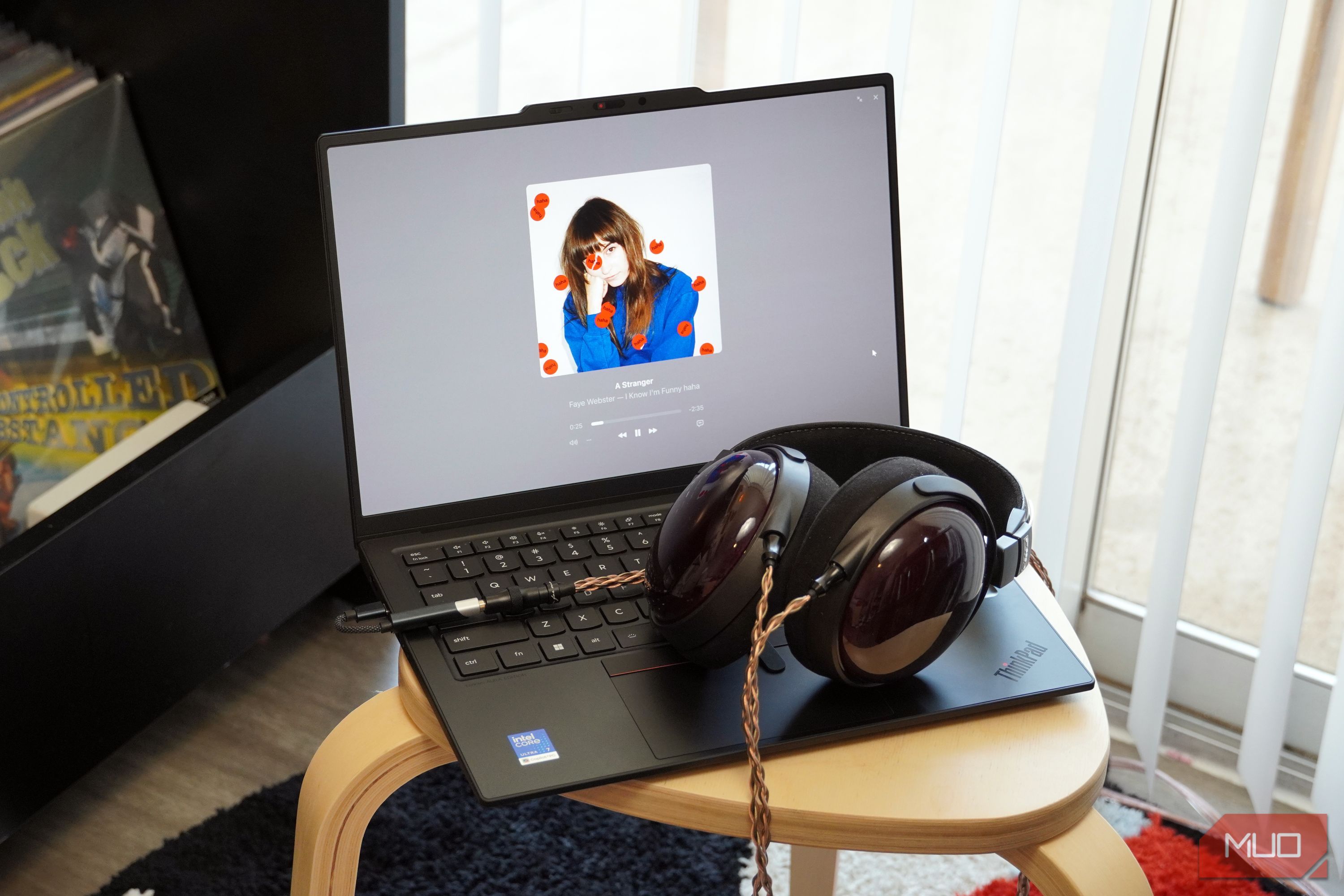
Great sound quality doesn’t have to cost you a fortune. You can opt for better gear, such as the 140FiioK11orthe[premium550 Fiio K15](https://www.makeuseof.com/i-plugged-headphone-amp-ethernet-streaming/), which are both relatively fancy desktop amplifiers. However, the sweet spot for the average music listener is an ultra-budget USB-C DAC and headphone amplifier, like the Fiio KA11. This is a tiny USB-C to 3.5mm headphone jack dongle that only costs 33,anditpackstheabilitytoplayhigh−resolutionlosslessmusicfilesanddrivehigh−impedanceheadphones.SoundqualityisonlypartoftheequationYes,acheapDACunlockshigh−fidelityaudioplaybackBydefault,the3.5mmheadphonejackonyourlaptopordesktoptowerprobablycan′tplaythehighest−resolutionlosslessmusicfiles.OpeninguptheSoundPropertiesmenuinWindows11byclickingthespeakericonintheTaskbarandselectingSoundsettings→Moresoundsettingsrevealsthesamplerateandbitdepthusedbyyourheadphonejack.You′llmostlikelyseeadefaultbitdepthandsamplerateofeither16−bit,44.1kHzor16−bit,48kHz.TheseareknownasatoraboveCDquality.Touseahighersamplerateorbitdepth,youmustmanuallychangethesettingintheSoundPropertiesmenu.Thehighestpossiblequalitysettingavailablewillvarybasedonyourhardware.Youmightseeamaximumbitdepthandsamplerateof24−bit,192kHzavailable.Inthatcase,youmightnotneedaseparateUSB−CDAC.The24−bit,192kHzqualitysupportedbysomeWindowsPCsand3.5mmoutputsmatchesthatofcommonhigh−resolutionaudiofilesandmusicstreamingservices.However,youwillwanttoraiseyourPC′sdefaultsettingsto24−bit,192kHzmanuallyifyouplantoplayhi−reslosslessmusic.Windowswilldownsampletheaudiobeforeitreachesyourheadphonesifyouleavethedefaultsettingsofeither16−bit,44.1kHzor16−bit,48kHzunchanged,resultinginqualityloss.PCmanufacturersdon′tspendatonoftimeensuringthe3.5mmheadphonejackmeetsaudiophilestandards.AcheapUSB−CDACismorecapablethanthe3.5mmheadphonejackonyourPC,technicallyspeaking.TaketheFiioKA11IusewithallmyUSB−Cdevices,forexample.Thedonglecanplay32−bit,384kHzaudio,likelybeatingyourPC′sinbuiltheadphonejack.Thisadvantagelooksgreatonaspecsheet,butasI′veexplainedbefore,[humanearscan′theartheextraaudiodata](https://www.makeuseof.com/your−high−res−lossless−setting−is−doing−nothing/).Soundrecordingsaren′tmasteredin32−bit,384kHzaudioanyway,sothisUSB−CDACfeatureofferslittlepracticalbenefit.It′severythingelseaUSB−CDACdoeswellthatmakesitanexcellentalternativetoyourPC′sinbuiltsolution.PCmanufacturersdon′tspendatonoftimeensuringthe3.5mmheadphonejackmeetsaudiophilestandards.Foraudioaccessorymakers,it′salltheycareabout.That′swhyyouseeaccessoriesliketheFiioKA11offeratotalharmonicdistortionplusnoise(THD+N)valueoflessthan0.0006ThesearethesoundqualityupgradesofferedbyaUSB−CDACyou′lltrulynotice—notthe32−bit,384kHzaudiothatwon′tmatteroffthespecsheet.AUSB−CDACcanhandlepower−hungryheadphonesYourPCorlaptop′s3.5mmjackisn′tenoughforhigh−impedancecansAUSB−CDACwithgreatTHD+NandSNRvalueswillsoundbetterthananinbuilt3.5mmheadphonejackwithworsevaluesandmoreinterference,especiallytocriticallisteners.However,myfavoriteUSB−CDACfeaturedoesn′thavetodowithsoundquality.It′sallaboutpoweroutput,becausea3.5mmjack′spoweroutputdetermineswhatkindofheadphonesorin−earmonitorsitcandrive.Ifyouhaveapairofhigh−impedanceorlow−sensitivityheadphonespluggedintoaweakaudiojack,theywon′tsoundright.Youcouldexperiencelowvolumeorpoorsoundquality,andit′sallbecausethecansaren′tgettingenoughpower.The3.5mmheadphonejackonWindowsPCsisn′tstandardized,sodifferentmodelsmighthavedifferentoutputpowercapabilities.TheaverageWindowslaptoptypicallyhasa3.5mmoutputpowerbetween1Vand2VRMS(RootMeanSquare),butthiscanvary.It′sadifferentsituationformany[Macsreleasedafter2021](https://support.apple.com/en−us/108351),whichhave3.5mmjacksthatcandeliverupto3VRMSwhiledrivinghigh−impedanceheadphonesupto1,000ohms.Thosewithasetofhigh−impedanceorlow−sensitivityheadphones,[suchasmySennheiserHD600′s](https://www.makeuseof.com/this−is−the−headphone−model−every−audiophile−should−own/),mightneedaUSB−CDACiftheirPC′sheadphonejackisn′tuptosnuff.DespitetheFiioKA11′ssmallsize,itcandeliverupto245mWofpowerundera16−ohmloadandupto200mWofpowerundera32−ohmload.Forhigher−impedanceheadphones,theUSB−CDACcandelivermorepowerthanalaptopordesktop′sbuilt−inaudiojack.ThisiswhyIusetheFiioKA11[todrivemypower−hungryheadphones](https://www.makeuseof.com/changed−dac−gain−settings−better−sound/).It′sacapableUSB−CDACwithenoughamplificationpowertodrivemostheadphones.Untilyougetnearthe600−ohmthreshold,youdon′tneedtoworryaboutsplurgingonalargerandmoreexpensivedesktopDAC/amplifier.UnplugtheDAC,anduseitwithanyUSB−CdeviceThis33 accessory can do more than improve your PC’s audio
I’ve tested desktop DACs at various price points, and have even shelled out for a few of them with my own cash. I bought the 33FiioKA11andthe140 Fiio K11 for my personal setup, and there’s no question which USB DAC gets more use. It’s the ultra-budget Fiio KA11. When I’m not using it at my desk, it plugs into my laptop or tablet’s USB-C port. While traveling, it adds a 3.5mm headphone jack to my iPhone and Android phones. It brings better sound to any device with a USB-C port, and that’s incredible flexibility for a cheap audio accessory.
You don’t need to spend a fortune to get higher-quality audio out of your Windows PC, but an affordable USB-C dongle is certainly worth your while.
Fiio KA11 USB-C DAC
Type
32-bit/384KHz
DAC
THD+N: <0.0006% SNR: 125dB Noise: <1.7uV
Amplifier
245 Milliwatts
Connectivity
USB-C
The Fiio KA11 is a USB-C dongle digital-to-analog converter (DAC) that brings up to 32-bit, 384kHz sound to any Type-C device, including phones, tablets, and PCs.
 Fiio KA11 USB-C DAC