Summary
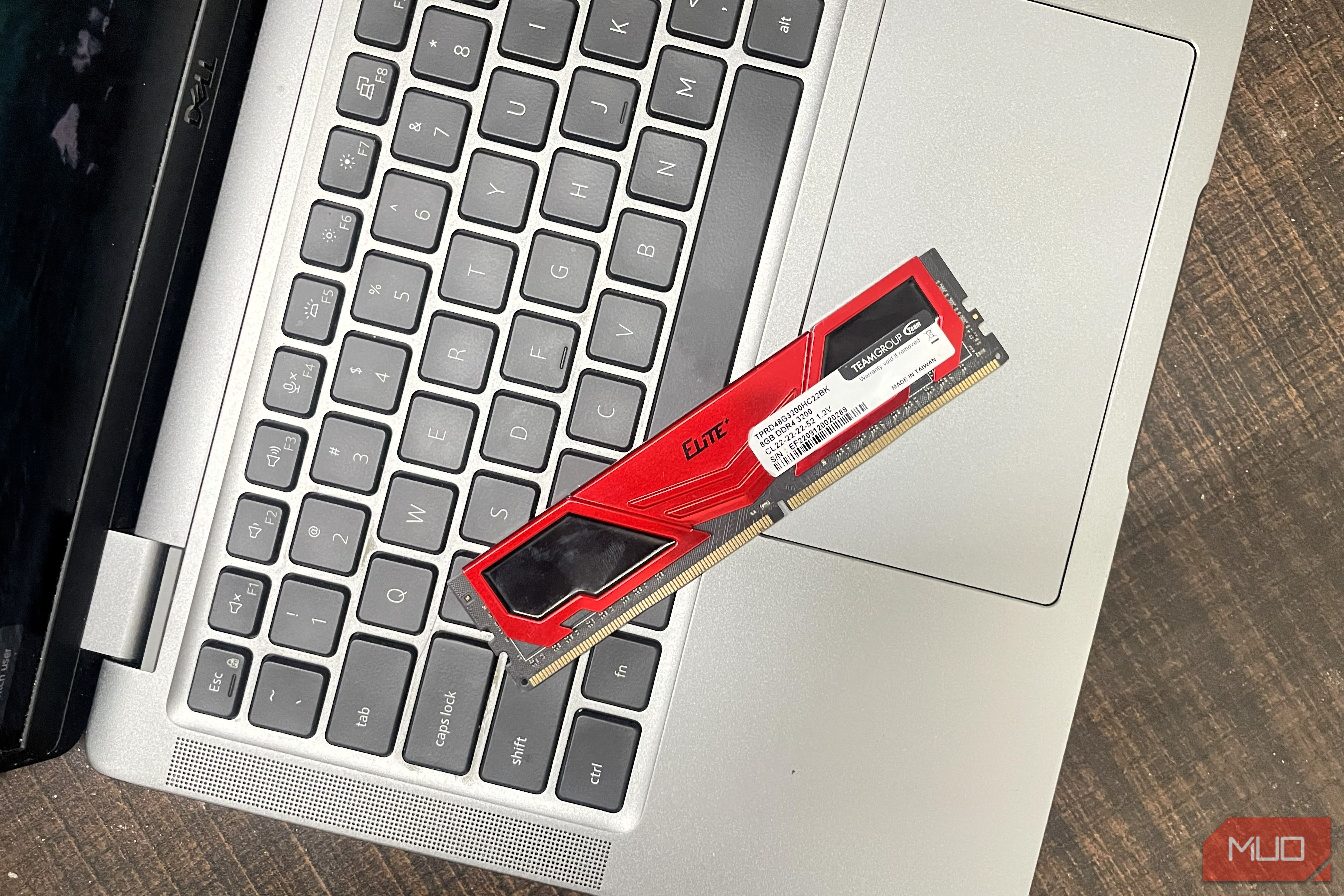
8GB RAM. Just these two words are enough to trigger a firestorm in the PC community, because most people say the floor for RAM has increased in 2026 and 8GB of memory has no place in a modern Windows 11 machine. The same configuration would be fine for the MacBook Neo, but questionable on Windows 11 because the OS is so resource-intensive. However, Microsoft disagrees, insisting that 8GB is enough, which is a pretty skeptical claim. Their argument isn’t enough for me to buy a new 8GB Surface laptop in 2026, so I put that theory to the test, and the results were mixed. My test rig was a humble AM4 rig Ryzen 5 5600, RX 5600 XT, and 8GB of DDR4 RAM To test and replicate an entry-to-mid-level PC that Microsoft intends to run on 8GB of RAM, I removed a single 8GB RAM stick from my 16GB DDR4 setup. I am using an SSD to boot Windows 11, a Ryzen 5 5600 CPU, and an RX 5600 XT GPU, which I think are good enough in 2026 and capable of handling mid-level workloads. Now, I’m not going to test this setup for heavy workloads like AAA gaming, video editing, or running multiple third-party apps in the background, intentionally trying to choke the limited memory I’ve been given. Instead, I’m going to use this setup for normal day-to-day tasks like browsing, running Microsoft Office, and a few apps integral to my workflow, like Slack and Spotify. Here’s what I was able to accomplish with 8GB of RAM My RAM nearly maxed out at just 3 Chrome tabs I didn’t notice a delay in my system’s startup time, even with 8GB of RAM. However, when I checked Task Manager at boot, Windows services took up half of that. I also turned off all third-party startup applications, so nothing was running in the background either. The real test was doing something on my desktop and seeing whether 8GB is enough for Windows 11. I fired up the daily applications that I need for work — Chrome, Slack, and Spotify. With just three tabs open in Chrome alongside Spotify and Slack, my PC was still running fine. However, I was quickly approaching the 8GB memory cap, with 7.4GB utilized out of 7.9GB usable RAM, even with the apps and tabs sitting idle. When I opened my 4th tab, Gmail, my PC started lagging, and it took a few seconds to move the cursor to the close button. In addition, most first-party applications were also disabled, and otherwise my PC would be stuck because the default Weather application alone can use nearly 1.2GB of RAM (via Windows Latest). Now I know that gaming on 8GB of RAM isn’t feasible, yet I was intrigued to try. I also closed all third-party apps to give the game maximum breathing room. For testing, I didn’t try AAA titles like 007 First Light, which I knew wouldn’t work. Instead, I opted for Rainbow Six Siege, a relatively low-demand multiplayer title. I fired up the game expecting stutters and freezes, but to my surprise it worked satisfactorily. I capped my framerate to 120FPS, and the 1% lows weren’t even noticeable; at worst, they dropped to 100 FPS. Here’s how you can get more out of Windows 11 if you have 8GB RAM De-bloating, swapping browsers, and killing Copilot and widgets Straight out of the gate, 8GB of RAM is only adequate for the most basic tests. I haven’t done any intensive tasks, like rendering or video editing, because I know this memory configuration isn’t viable for them and is just the floor for a Windows 11 PC. Although I don’t explicitly recommend an 8GB PC in 2026, if you’re still stuck with this low memory and can’t upgrade because RAM prices are inflated, there are a few tweaks you can make to make the experience a little more tolerable. For starters, de-bloat Windows by removing unnecessary background services, which can free up a couple of gigabytes of memory on its own. Then, switch from Chrome to a different browser. Chromium-based browsers are notorious for their heavy RAM consumption, which isn’t ideal for an 8GB computer. Instead, . memory headroom. An additional hack is to replace the default Windows Search with a lightweight utility like Everything. I still don’t recommend an 8GB computer in 2026 If you’re buying anything other than a Windows 11 machine, enough for the average user. For instance, the MacBook Neo with 8GB is a great entry-level laptop option for students and most office users, and it won’t break the bank. However, opting for an 8GB Windows 11 computer, like the new Surface laptop, would be a grave mistake because Windows 11 isn’t optimized for low memory. Although Microsoft has promised to make Windows 11 more memory-efficient, I don’t see that promise being true anytime soon because most first-party apps are web services, and that comes with a steep memory cost. At the same time, I get it that RAM is super expensive these days and buying a new computer is hard, but not spending that couple of hundred dollars would impact you in the long run.