Summary
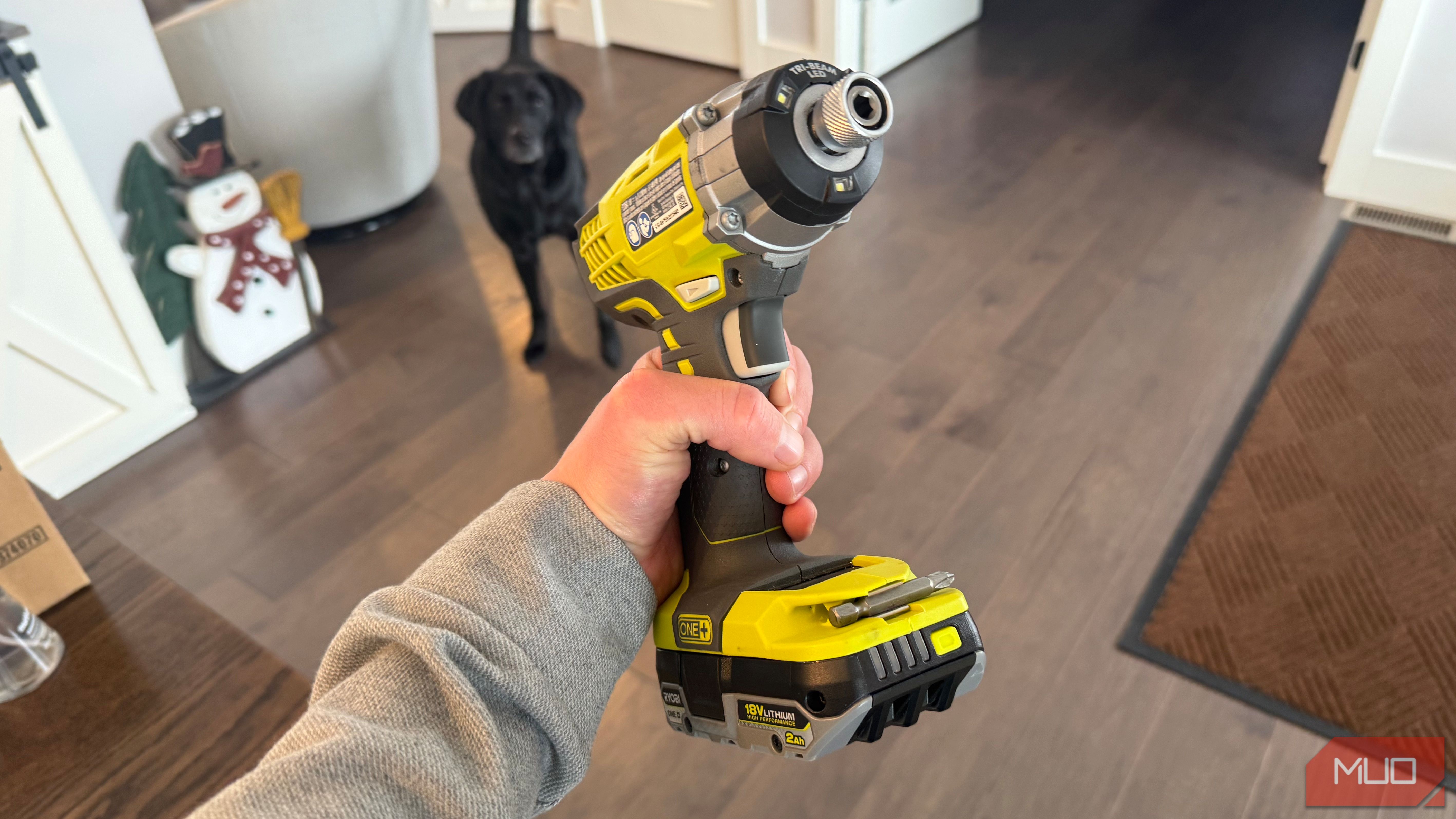
I bought my Ryobi ONE+ HP compact brushless impact driver bare, and at the time, that felt like the disciplined move. I already had a shelf of 18V battery packs charged and waiting, and on this platform, the battery is where your money actually goes. Paying for another one seemed like buying something I owned five times over. Then I went back to the same aisle and ran the numbers again. The bare tool lists at 99.00. That battery sells for 14.70 gap that holds an 14.70 for all three.
Priced individually, those items run well past 89.00 sticker. The kit effectively sells you that pack for about 16% of its own shelf price and includes the charger for nothing.
Walk 20 feet down the same rack and it gets stranger. The 4-Mode version of the same impact driver sits there bare, no battery, no charger, at 30.00 more than a complete kit built around the model beside it.
I have owned Ryobi long enough to expect the opposite. For years the kit carried a premium of roughly 40–80 over the bare version, which is precisely why I stopped buying kits. Same shelf, same brand, arithmetic running backward.
The bare tool is priced for people who can’t walk away
Platform lock-in sets the number, not the motor
Nothing about the tool explains the gap, since it is the same tool. The explanation is in who reaches for which box.
The bare SKU serves one customer: somebody who already owns batteries on that platform. That person has stopped shopping brands. They have chargers on the wall, packs in rotation, and a real cost to switching, so a 15 premium on a bare tool does not send them over to the Milwaukee rack. It gets absorbed. Retailers count on that.
The kit does a completely different job. It targets somebody standing in the aisle choosing between green, yellow, and red for the first time, and that single decision is worth far more than the margin on one impact driver. A first kit tends to become a second tool, a third, and a spare pack, all tied to the same charger. Brands will discount that entry point hard to win it, which is the same logic behind Ryobi selling yard tools on two incompatible voltages and hoping you commit early.
The two boxes are not competing with each other. One is priced to acquire you. The other is priced because you already got acquired.
Promo season pushes it further
Home Depot charges for the batteries and gives the tools away
The inversion gets loud during sale events. Ryobi Days this June put a two-battery starter kit with charger at 228.00, and attached a free bare tool worth up to 199.00 tier came with a free-tool menu topped by a battery two-pack listing for more than the kit itself. Circular saw kits with two batteries and a charger landed at 89.00 battery to avoid a duplicate charger is still bad math. That charger becomes a spare for the basement bench, or it goes home with whoever keeps borrowing my tools.
Bare still wins when the tool itself is the open question rather than the power source. Some Ryobi models are worth stepping up a tier for, and no included charger rescues a tool that underperforms.
 Ryobi 18v ONE+ Impact Driver
- Color
- Yellow
- Tool Type
- Impact Driver The 10 seconds that pay for a battery None of this is a scandal. Retail pricing answers to promotional funding, platform strategy, and inventory, not to any principle saying fewer items in a box should cost less. The shelf will keep generating combinations that look wrong, and now and then one of them lands squarely in your favor. Check both boxes. Subtract the battery. Buy whichever number is lower. I paid full freight for a bare impact driver I like a great deal, and the only thing it cost me was the 10 seconds I did not spend looking at the box next to it.