Summary
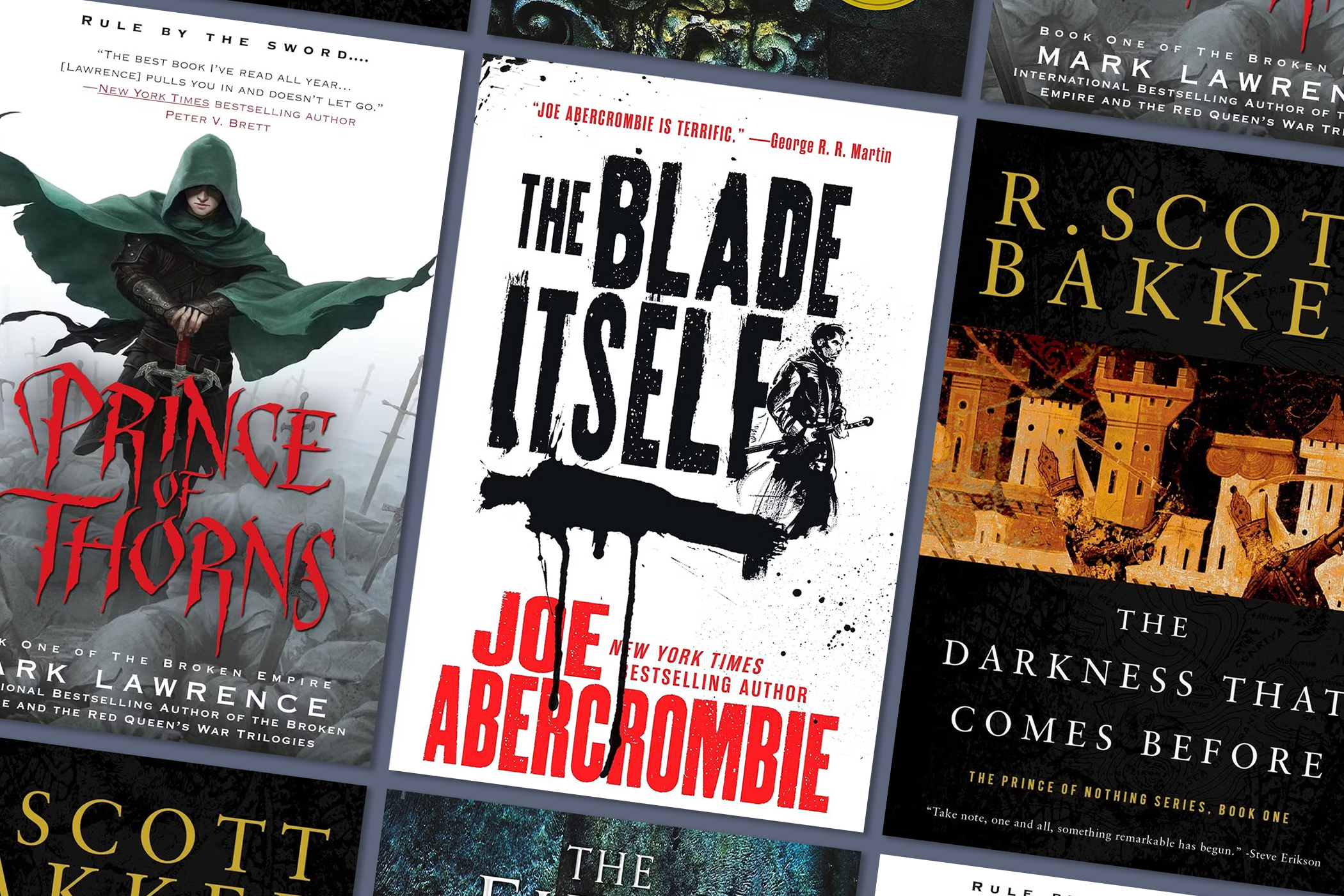
The Song of Ice and Fire books by George R.R. Martin (adapted by HBO as Game of Thrones) are distinguished by their vast cast of characters, their uncommon level of detail, and by a willingness to kill characters most fantasy epics would let survive. They’ve gotten a reputation for being gritty, realistic, and dark. When and if Martin ever finishes writing The Winds of Winter, fans will get more of that. In the meantime, they may have to look elsewhere. A Song of Ice and Fire is hardly the only series to indulge in the darker side of fantasy. The First Law by Joe Abercrombie The king of grimdark The original First Law trilogy follows a variety of morally compromised, deeply flawed characters as they navigate a war-torn world. The Union faces threats from both northern invaders and the southern Gurkish Empire, and Joe Abercrombie describes it all in grisly detail. Abercrombie has gotten a reputation for his bleak, gritty, unrelenting storytelling, as well as his pitch-black wit. The characters in the First Law world have it hard, but they are extremely entertaining to read about. In addition to the initial trilogy, there is a sequel First Law trilogy, a trio of standlone books, and a short story collection. The Second Apocalypse by R. Scott Bakker Because what’s more fun than a story inspired by the Crusades? Set in the post-apocalyptic world of Eärwa, the Second Apocalypse series concerns nations gathering for a massive holy war. The first trilogy, called The Prince of Nothing, follows Anasûrimbor Kellhus, a monastic warrior who manipulates a religious crusade and rises to become a prophet. A second series of four books, called The Aspect-Emperor, is set 20 years later and concerns a new holy crusade that marches into the apocalyptic wastes to face down non-human entities. This war could well result in the end of the world. As you can tell, the subject matter is pretty heavy. There’s a lot of philosophy in the Second Apocalypse series, including talk about whether free will exists. It all contributes to a hopeless tone that will please readers who like their fantasy pitch-black. The Broken Empire Trilogy by Mark Lawrence When the main character is a monster The Broken Empire trilogy follows Jorg Ancrath, a deposed prince who survives horrors in childhood only to grow up to become the leader of a band of vicious outlaws. He resolves to do whatever is necessary to ascend the throne of the Broken Empire, no matter how vicious or morally repugnant. And he follows through. Jorg is the narrator of The Broken Empire trilogy, meaning we’re stuck inside the head of a man who commits numerous atrocities with a kind of cold intelligence. It’s disturbing, but that’s what you’re after, so read on. The Broken Earth Trilogy by N.K. Jemisin Storms and systemic oppression The Broken Earth is one of the more famous series on this list. It’s set on a massive, volatile supercontinent that regularly suffers through climate catastrophes that can wipe out entire civilizations. There’s also a stratified society where magically gifted people called Orogenes are feared and outcast. The story follows an Orogene named Essun. Her husband murders their son and kidnaps their daughter, and she sets off across the broken land to find them. Clearly, the story of The Broken Earth is very heavy. You may want to read some lighter books in between entries to avoid slipping into a depression. Empires of Dust by Anna Smith Spark Step 1: Kill the emperor. Step 2: We’ll get to it. The Sekemleth Empire is the richest and most prosperous civilization to ever exist. It’s also doomed, and only assassinating the emperor will save it. Or at least that’s what a haunted man named Orhan thinks. He hires mercenaries to do the job, including an unstable young man named Marith Altrersyr who is hiding a deadly secret. I won’t spoil whether they succeed or not, but things just get worse for the empire the deeper into the trilogy we go. The Empires of Dust trilogy has a lot of the hallmarks of grimdark fiction: violence, brutality, a sense of despair and hopelessness…but Anna Smith Spark elevates things by writing the books in a style that resembles epic poetry, lending the proceedings a feeling of dark grandeur. The Poppy War Trilogy by R.F. Kuang Because what’s more fun than a story inspired by the Sino-Japanese War? The Poppy War Trilogy is a grimdark military fantasy series. It follows an orphan named Rin who escapes a life of abuse by passing an elite test to enter the Sinegard military academy, where she discovers she has rare shamanic powers that are at once very impressive and horrifyingly destructive. From there, the story dives into civil war, foreign occupation, and the horrors of military conflict. This is the only book on our list set at a military school, and while there’s an early sense that it will be a standard coming-of-age story, things turn bleak and brutal when war breaks out, and they don’t let up. The Black Company by Glen Cook History marches on Spread out over 12 books, the Black Company series follows the titular group of mercenaries as they take jobs for whoever is willing to pay them, even if that means they end up fighting for cruel masters against opponents who are even worse. The Black Company is narrated by Croaker, the unit’s doctor and historian, who writes down their exploits. The series is told in short, utilitarian language rather than epic prose. The gang’s missions are recorded matter-of-factly, with lots of gallows humor on the side. Bleak as The Black Company books can be, there’s also a sense of camaraderie among the members that gives them a bit of a lift. The brighter side of fantasy Obviously there are many more fantasy books out there to read, and not all of them will leave you a broken heap of a human being. For instance, the Discworld books by Terry Pratchett are full of goofy satire, The Hobbit by J.R.R. Tolkien is an epic adventure that can be enjoyed by kids, and although the works of fantasy author Brandon Sanderson can get intense, they never get anywhere near as bleak as the books we’ve covered on this list.