Summary
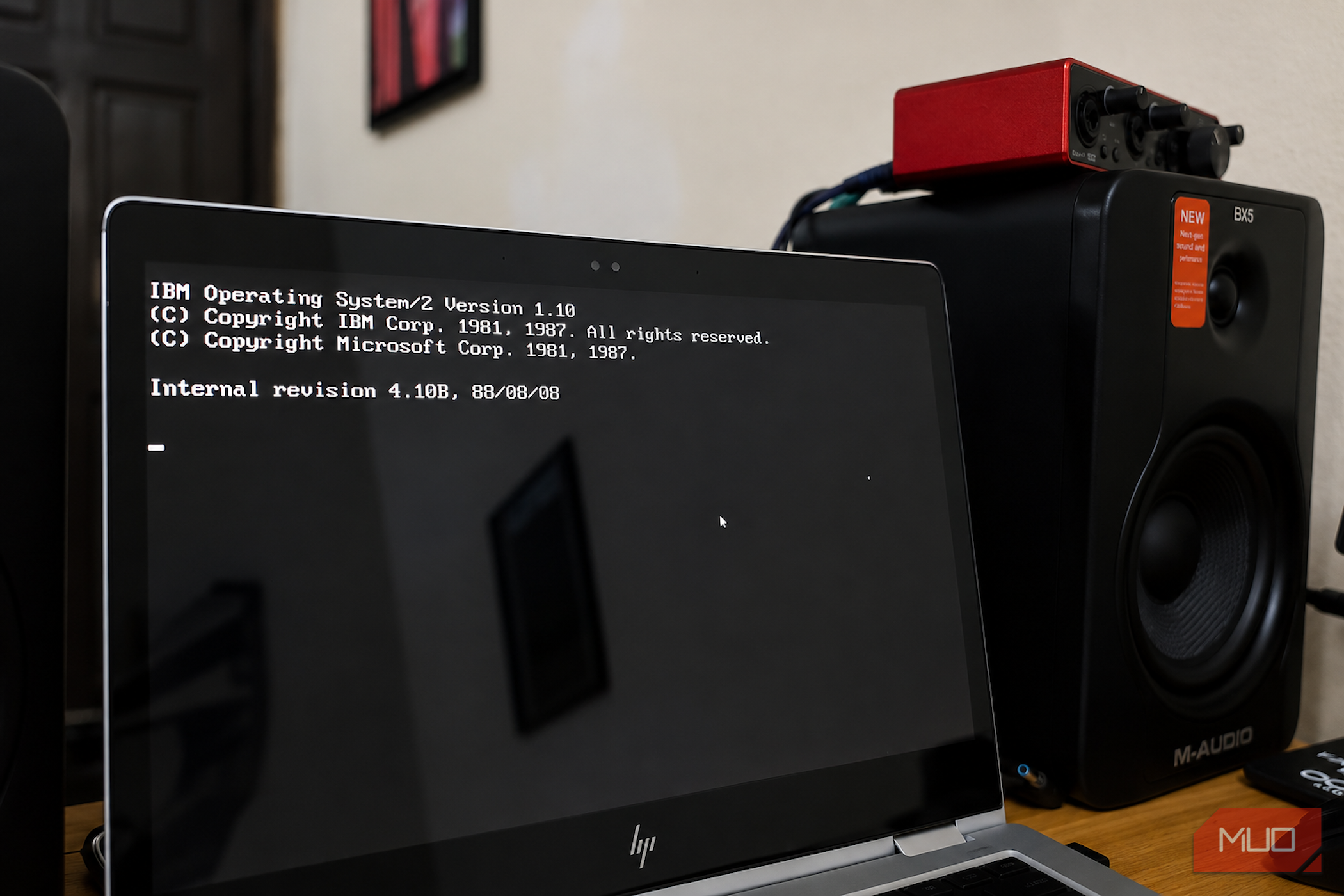
Windows feels so welded to Microsoft today that the company’s operating system strategy in the late 1980s can seem almost bizarre in hindsight. Microsoft was pouring serious engineering effort into OS/2, a new platform it was building with IBM as the planned successor to DOS. Windows, which Microsoft had already launched as Windows 1.0 in 1985, was still moving forward on the side, but it had not yet become the obvious center of Microsoft’s future. For a brief stretch, the next era of PC software seemed poised to arrive with IBM and Microsoft sharing the nameplate. Microsoft thought the future had an IBM logo on it Windows wasn’t even Microsoft’s favorite child yet By the mid-1980s, MS-DOS was wildly successful and starting to feel boxed in. It had been built for a much simpler generation of PCs, while newer Intel processors could handle far more than DOS was really designed to expose. Microsoft and IBM formalized their joint operating-system work in 1985, and OS/2 grew out of that partnership as the platform meant to carry PCs into protected mode, multitasking, and a much more modern software model. OS/2 1.0 arrived in late 1987 as a 16-bit protected-mode operating system for the 80286. It supported preemptive multitasking and multi-threading while providing software with access to a far more capable memory model than DOS typically offered. Those features are easy to take for granted now, but at the time they were a major step beyond the single-tasking DOS environment most PC users knew. The first release did not even include the graphical Presentation Manager interface. That arrived with OS/2 1.1 in 1988, followed by OS/2 1.2 in 1989, which included HPFS, a more capable file system than FAT. Looking back from the Windows era, it’s easy to file OS/2 away as an IBM project that Microsoft happened to help with. Microsoft was far more invested than that. The company openly presented OS/2 as the product of its joint development work with IBM, and for several years it was expected to play a major role in moving PCs beyond DOS. The problem was that the PC market kept moving while OS/2 was being built. Its first generation centered on the 286, a reasonable target when the project began but an increasingly awkward one as 386 systems spread. That also made handling older DOS software more complicated, while OS/2 demanded more memory and newer hardware than many DOS users were used to buying. No single choice doomed the platform, but together they made switching harder just as another Microsoft product was becoming much easier to adopt. Windows 3.0 blew up the plan A side project picked the worst time to become a hit Microsoft kept developing Windows throughout its partnership with IBM, and eventually that parallel project became impossible to ignore. Windows 3.0 arrived in May 1990 with better memory management, a cleaner interface, and much more room for serious graphical software. It still ran on top of DOS, but this release made Windows look like a genuine mass-market platform rather than an optional graphical layer most PC owners could skip. Developers noticed. According to Software Publishers Association figures cited in Microsoft’s own historical material, US and Canadian sales of Windows applications rose 157 percent in 1990. Growth on that scale was bound to change Microsoft’s priorities. The split with IBM did not happen all at once. The two companies were still publicly reaffirming their relationship in September 1990 and extending licensing agreements around DOS, Windows, and OS/2. Their interests were becoming harder to align, though. IBM still saw OS/2 as the future of the PC, while Microsoft now had strong evidence that Windows could become a major platform in its own right. The growing Windows software ecosystem gave Microsoft another reason to change course. Every new Windows application gave users another reason to stay, and every additional user gave developers more reason to build for Windows. IBM continued developing OS/2 independently, releasing OS/2 2.0 in 1992 as a 32-bit system for 386-class hardware that could run DOS programs, Windows 3.0 applications, older OS/2 software, and native 32-bit OS/2 applications. It remained technically impressive and developed a loyal following, particularly in business environments. By then, though, IBM was trying to grow an ecosystem while Windows already had developers and users pulling one another in. Microsoft’s other operating system became Windows Meanwhile, Dave Cutler was building the escape hatch There was another Microsoft operating system taking shape in parallel, and it would eventually matter far more than either company could have predicted when the IBM partnership began. In 1988, Microsoft hired Dave Cutler from Digital Equipment Corporation to lead development of a new portable operating system. His team built a modern 32-bit architecture designed to run across multiple processor families rather than being closely tied to a single generation of Intel hardware. That project often gets folded a little too neatly into the OS/2 story. Early plans did give OS/2 an important role, and the new system was expected to support a 32-bit OS/2 API as one of its main application environments. Underneath, though, Cutler’s team was building a separate architecture rather than simply stretching the existing IBM-Microsoft OS/2 codebase into something bigger. As Windows 3.0 attracted users and developers, Microsoft shifted the new operating system toward a 32-bit Windows API. The project eventually became Windows NT, which launched in 1993 with a very different technical foundation from the DOS-based versions of Windows consumers were using at the time. That left Microsoft with one of the stranger operating system family trees in PC history. The company kept pushing its familiar DOS-based Windows line through Windows 95, 98, and Me, while NT developed alongside it. Windows 2000 pushed that architecture further into Microsoft’s mainstream business lineup, while Windows XP finally brought the NT architecture to home users as well. From there, the old DOS-based Windows branch was gone, and the NT lineage became the basis for the Windows versions that followed. The future was still up for grabs The strange part is how plausible the alternative looked before Windows 3.0 changed Microsoft’s incentives. OS/2 had Microsoft engineers, IBM’s backing, and a clear role as the planned successor to DOS, while Windows was still the parallel project. Within a few years, those roles had effectively reversed, and even Microsoft’s ambitious new NT architecture had been pulled into the Windows orbit.