Summary
Summary
- Meta Glasses will now stop recording if their capture LED is covered after a recording has started.
- The update closes a simple loophole that previously allowed users to hide the glasses’ only recording indicator.
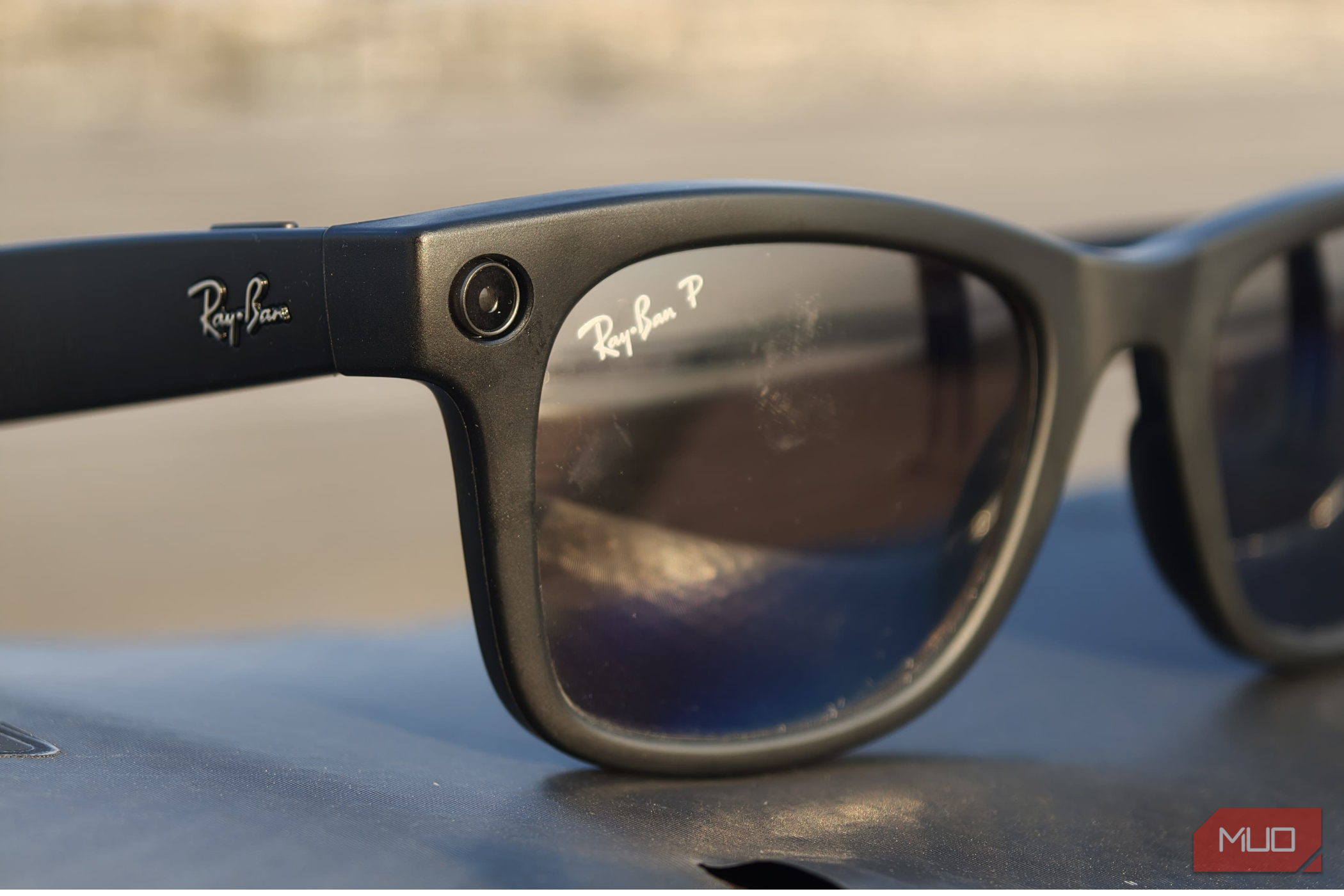
- Meta had already addressed blocked and physically damaged LEDs, but the start-first-and-cover-later workaround remained unfixed. Meta Glasses, AKA every Instagram pickup artist’s favorite wearable tech, are getting a privacy update that’s bound to annoy their most problematic users. Meta is finally closing an embarrassingly simple loophole that allowed people to record people and hide the light that indicated the camera was running. According to Meta VP of Wearables Alex Himel in a post on Threads, Meta is rolling out an update that will stop the recording when the capture LED on the glasses is covered during a recording. Until now, the glasses would only detect if the light was blocked before starting recording, but users could simply start filming first and cover it afterward. It is almost shocking to see Meta finally addressing such an obvious privacy problem. Just about anyone who isn’t buying smart glasses to record people covertly would probably agree that this should’ve been a day-one feature. Meta is closing an embarrassingly simple privacy loophole Bad news if you planned to hide the recording light during an exam The white capture LED flashes when someone takes a photo and continues blinking when recording video. The point is to tell bystanders the camera is active. However, people have repeatedly found ways around it. Himel claims only a “tiny minority” attempt to bypass these protections, which indicates that he’s either blatantly sugarcoating the problem or hasn’t ever doomscrolled through TikTok. The abundance of online tutorials and third-party accessories designed specifically to obscure the light could easily show the weak privacy protections built into Meta’s smart glasses have demanded attention for quite some time. This also isn’t Meta’s first attempt at fixing the indicator. The company recently released another update that disables the camera if it detects that the capture LED has been physically damaged or destroyed. However, neither protection addressed the start-first-and-cover-later workaround until now. The distrust has become strong enough that someone even developed an app that detects nearby smart glasses, and that tension is only going to get more severe as smart glasses go mainstream. More than seven million pairs of Ray-Ban Meta glasses were reportedly sold in 2025, and even more manufacturers are now chasing the smart-glasses hype. Meta deserves credit for closing the loophole. But we wish Himel and his team had realized sooner that a recording warning should remain visible for the entire recording, regardless of the order in which someone presses a button and applies a sticker.