Summary
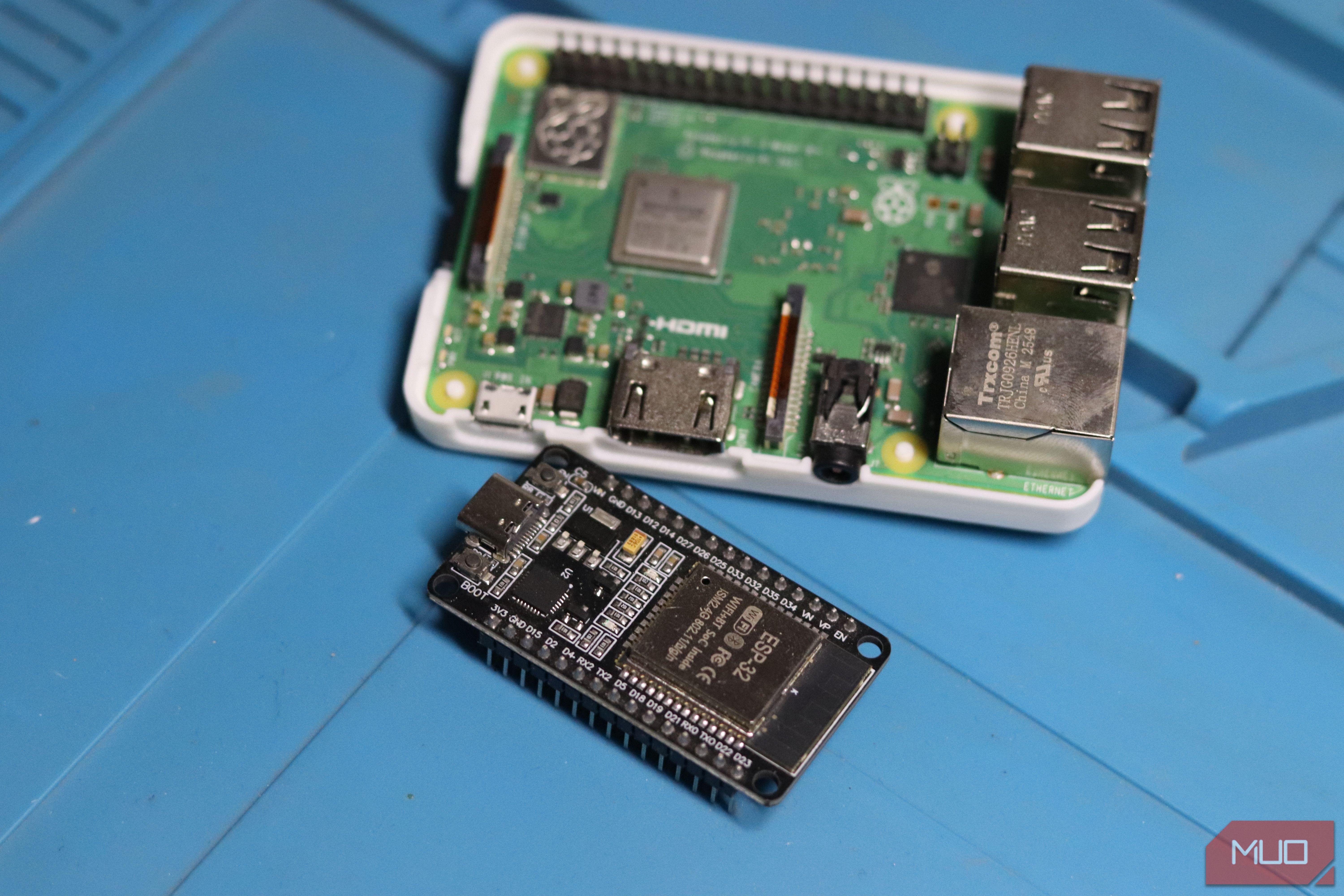
I still remember my first Raspberry Pi purchase in 2019 as a college student: a Raspberry Pi Zero, which I bought to build my first retro gaming console project. The miniature computer was so cheap that even on an allowance, the purchase didn’t impact my wallet much. Fast-forward to 2026, and SBCs (single-board computers) have become so expensive that even models that are nearly a decade old are pricier than ever. A Raspberry Pi that was 60, four times the price it used to be. The driving factor behind this price hike isn’t inflation, but the recent AI boom, which is practically eliminating the reason SBCs existed in the first place. What’s actually driving the prices up? Rising DRAM and NAND prices are rippling through every component on the board The whole hardware space has taken a major hit recently because of the AI-led memory boom. Memory prices have more than quadrupled, driving computer prices to unprecedented levels. For gaming PCs, this memory shortage also affects GPU prices, but for an average system, rising RAM and SSD prices have nearly doubled computer prices. The snowball effect from higher NAND and DRAM prices has raised smaller component prices, like capacitors, PCB boards, power delivery components, and more. Beyond conventional computers, consoles, and mobile phones, SBCs took the hardest hit. The Raspberry Pi 5 8GB, for example, used to cost around 175. Similarly, the Banana Pi BPI-M4 Zero, an entry-level SBC, used to cost around 90–115. Thin margins make SBCs especially vulnerable Older, fixed designs leave little room to offset rising memory costs Compared to other hardware, the price hike on SBCs is outrageous, and it’s for several reasons. At such low levels, it might seem odd for the prices to double, but manufacturers already run thin margins on these cheap boards, and even a dollar change can wipe out the whole profit margin. Moreover, the memory market has become competitive, and there isn’t a lot to go around. SBC manufacturers have less supply-chain access than big players like ASUS or HP, and at smaller orders, prices are even higher. This is why you’ll see some manufacturers selling SBCs at absurd prices; for example, the Banana Pi BPI-M4 Zero costs more than 15 (though you may not find the model at retail price). The ones getting priced out DIY project-makers, classrooms, and industrial users feel it most acutely Even though SBCs are taking the hardest hit of all computers, there isn’t much mainstream noise because this only impacts a few people. I know people other than hobbyists use these miniature computers, but the impact isn’t reaching a wider audience. However, for the people it does reach, it’s a big one. For project makers, this price increase is driving overall costs very high. SBCs are also used in teaching environments, and this price hike could put hands-on learning out of reach in some programs. Then you have boards used at a commercial/industrial scale in robotics, POS, and medical equipment. This price increase drives costs higher, and even at a per-unit level, it makes a huge difference overall. A few SBCs are holding the line Older stock and x86 alternatives are keeping some boards affordable Now, the SBC market isn’t completely dead, just not as it used to be. Smaller manufacturers are taking the harder hits, like Banana Pi, Radxa, and Orange Pi, and more. However, Raspberry Pi is still going strong, partly because it has a large inventory that will last at least a few years and because cheaper models use LPDDR2 memory, which is easier to come by than newer versions. Even for higher-end SBCs, there are alternatives, like the Intel N100 16GB-based model going for nearly 105 cheaper than its competitor, the Raspberry Pi 5 16GB. Other medium-range x86 options that cost less than ARM-based Raspberry Pis include the LattePanda IOTA and the Youyeetoo X1. Or, you can use ESP32 boards that are still quite cheap and can be used for smaller projects like smart home sensors, etc. The SBC market isn’t going away, but it’s changing The memory situation isn’t improving anytime soon, and the same conditions are expected through 2027 and beyond. DRAM manufacturers like Samsung, SK Hynix, and Micron have orders booked through 2027, and in some cases beyond. The situation will worsen as manufacturers run out of inventory, and rising inflation and the additional tariffs imposed on China will affect certain SBCs, since China is the manufacturing hub. Regardless, SBCs are still selling well since people are being forced to adjust to newer prices across all computers, not just SBCs. In fact, Raspberry Pi sold 7.6 million units in 2025, a 9% YoY increase (via Raspberry Pi), even with higher prices. However, I do expect x86 SBCs to gain more ground as ARM-based processors get more expensive.