Summary
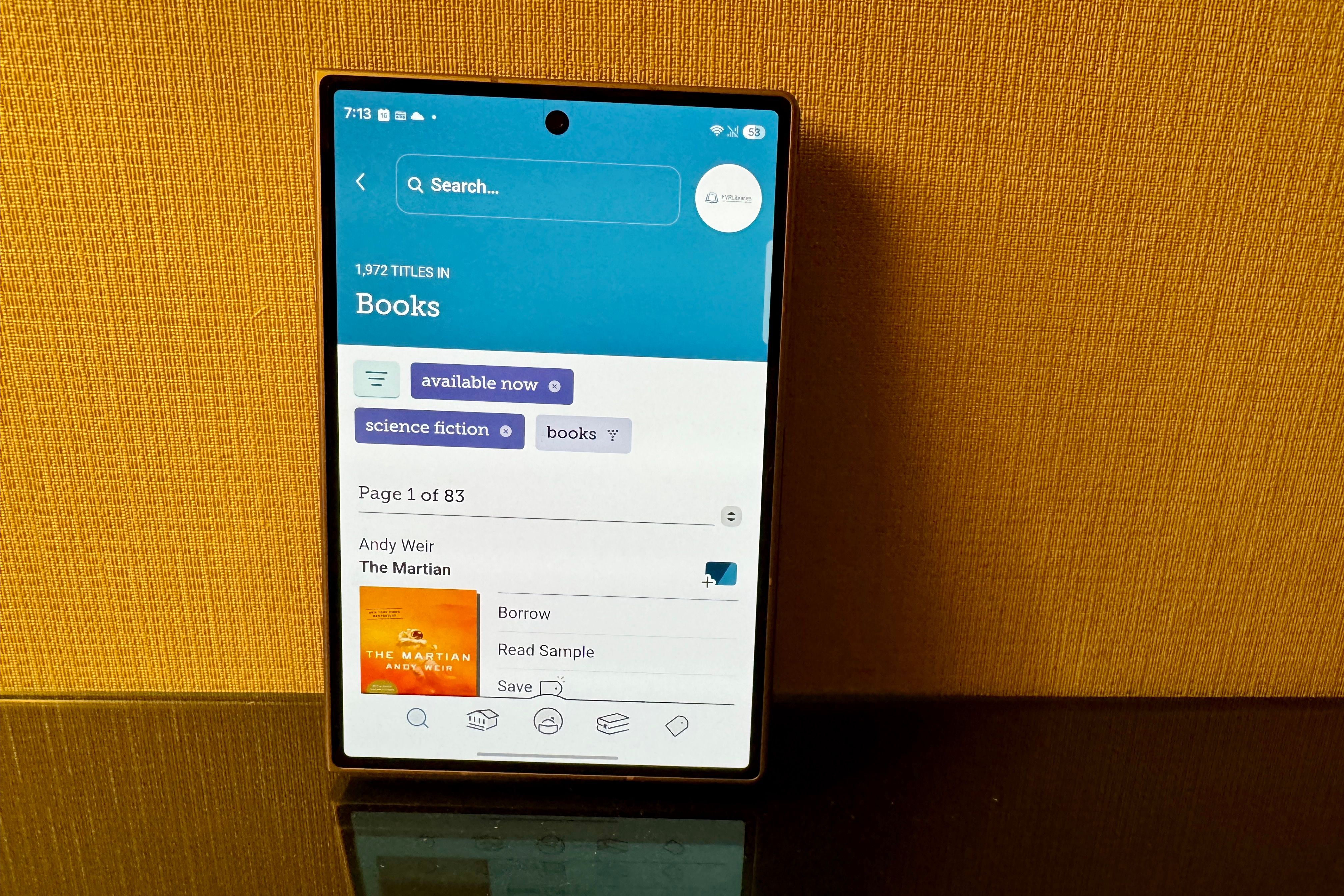
Spotify, Audible, and Kindle Unlimited can run well over 22 a month, an Audible subscription at about 12 per month, I was dropping nearly 600 a year. That’s a lot of money for services I could find for no cost at my local library. And, honestly, aside from Spotify, I didn’t use all the perks or access all the media these memberships allow. There were plenty of months where I didn’t listen to more than one audiobook, and let my Kindle Unlimited sub sit unused. When I finally took a look at what I was using, I realized I had drifted into paying for convenience rather than actual consumption. Switching those reading and listening habits over to digital library resources (via apps like Libby or Hoopla) made it much ore affordable. My costs for audiobooks dropped to 323.28 from my annual media budget. Libby replaces Kindle Unlimited and Audible pretty easily Ebooks and audiobooks without the monthly fee Libby, run by OverDrive, connects directly to your local library card to lend ebooks and audiobooks at zero direct cost to you. Moving your reading ecosystem over to the platform doesn’t mean giving up your reading setup either, as Libby allows you to send borrowed titles directly to a Kindle e-reader (Libby > Book > Read With > Kindle), which keeps you within your existing hardware workflow. The primary tradeoff compared to Kindle Unlimited’s instant-access model comes down to patience. Public libraries purchase a fixed number of digital licenses for each title, meaning high-demand new releases often come with hold queues rather than immediate downloads. Putting a hold on a major release like Tomorrow, and Tomorrow, and Tomorrow meant waiting four weeks for a copy, whereas Kindle Unlimited prioritizes instant access for its specific catalog. Beyond books, Libby also offers over 4,000 digital magazine titles with zero circulation caps, which means no hold queues for popular issues. While Kindle Unlimited also includes a selection of magazines in its monthly tier, getting the same access for free through the library makes paying for a separate digital rack fee feel redundant. Hoopla covers the instant-access gaps, mostly But there’s a hard limit on music Hoopla’s primary advantage over Libby is instant access: you can borrow everything on the service without queuing or waiting on hold lists, making it a useful if lesser-known streaming app alternative for digital media. However, this instant-borrow model comes with a fixed monthly checkout cap set by your local library system. These caps have tightened across the country as library usage costs climb. For example, recent system changes brought a new Hoopla borrow limit at some libraries that cut checkouts from 8 to 5 per month in early 2026. For readers who consume books quickly, that monthly budget can vanish fast, which means you’ll want to check on your own library’s specific limit. My own library offers 20 Hoopla downloads per month, so your mileage may vary. Where Hoopla falls short is as a replacement for music streaming. While the service does include digital music, every individual album checked out counts toward your limited monthly borrowing cap. It also lacks algorithmic discovery, continuous radio, or personalized playlists, making it a poor direct substitute for Spotify’s core utility. Ultimately, Hoopla and Libby easily replaced Kindle Unlimited and Audible, but replacing Spotify means either using the free tier (or a different, ad-supported streaming service) or moving to free alternatives like radio or physical CDs borrowed directly from my local library. The subscriptions I’d actually go back to Even accounting for local borrowing caps and giving up Spotify’s endless algorithmic playback, cutting the media subscriptions saves me real money: around 14.95/month) and Kindle Unlimited (590 annually if you include Spotify Family ($21.99/month). The library card isn’t technically “free” since local property taxes fund system operations and digital licensing, but its marginal cost per check out is zero. Unlike commercial subscriptions, where price increases arrive regardless of how much media you consume, library services scale to my own usage without costing me more. Still, it’s hard to avoid music streaming services, even though I do borrow CDs from the library and have a decent amount of vinyl in my home. There’s something compelling about having a massive library of close to every song ever recorded available at any time on any of my devices. Using the family plan saves me a little bit per person in my household, too. Further, Kindle Unlimited is the one subscription I have zero interest in ever paying for again. Paying a monthly access fee to select from a restricted, self-publishing-heavy catalog makes no sense when Libby grants direct access to mainstream bestsellers, non-fiction, and full magazine runs right to the very same Kindle, not to mention Hoopla’s overlap with more mainstream titles. You can’t use a traditional Kindle with your Hoopla books (there’s an app for Kindle Fire, for example), but that’s a small noncash price to pay, in my opinion.