Summary
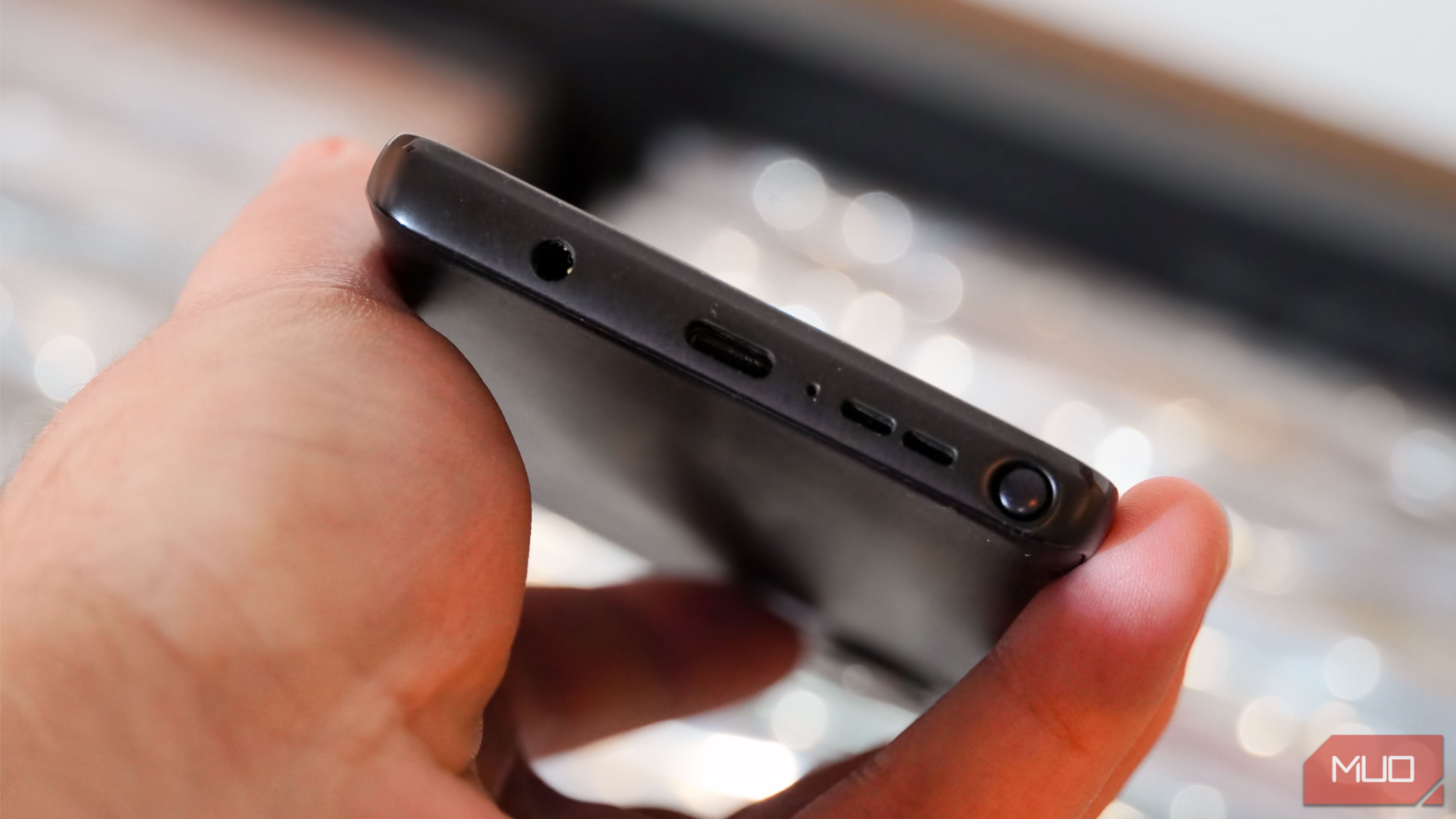
It’s a familiar story. You go to pull out your wireless earbuds or wired headphones, and realize you can’t connect them to your smartphone. The earbuds are out of battery, or you forgot to bring the adapter required to connect your favorite wired headphones over USB-C. While wireless and USB-C audio are generally more convenient, these frustrating moments make us yearn for a simpler time — when the 3.5mm headphone jack was standard on smartphones. However, I don’t want the headphone jack to return on flagship phones. The 3.5mm jack is designed for one purpose, and that’s why it’s ideal for audio-first devices, like digital audio players (DAPs). Phones wear many hats, and the headphone jack isn’t versatile enough to earn a spot on them. Plus, USB-C audio is better. The solution isn’t to bring the headphone jack back. It’s to give flagship phones the second USB-C port they’ve needed for years. The 3.5mm jack is too limited With few exceptions, it’s designed to do one job I still use phones with a 3.5mm jack, including the TCL 60 XE NXTPAPER 5G and the Moto G Stylus, but the port isn’t as useful as you may think in 2026. Most of the time, I listen to music on my smartphone with truly wireless earbuds, like AirPods Pro 2 or Powerbeats Pro 2. Sometimes, I’ll throw on a pair of wireless over-ear headphones for better sound isolation. It’s rare that I grab a pair of wired earbuds, and when I do, I typically use a USB-C digital-to-analog converter (DAC) to hook them up to my phone. In other words, the 3.5mm jack on my phones lies dormant most of the time. It’s taking up space, but I rarely benefit from it. When using a phone’s built-in 3.5mm headphone jack, you’re stuck with the phone’s DAC and the default AudioFlinger system audio server and mixer. AudioFlinger downsamples higher-quality tracks to a standard sample rate of 48kHz, resulting in quality loss. The USB-C port on your phone is capable of bit-perfect audio playback when paired with a USB-C DAC and the right audio player app — so why use the headphone jack? Let’s say you are one of the few people who exclusively use a 3.5mm headphone jack to listen to music. That port is still doing nothing when you aren’t listening to music. To be fair, the headphone jack is cleverly used to connect accessories that have nothing to do with audio, such as card readers and buttons. IR blasters, mini flashlights, and FM radio antennas can also be hooked up to smartphones via the 3.5mm jack. Technically speaking, audio playback isn’t the only thing the headphone jack can do. In practice, these niche 3.5mm accessories now use Bluetooth or USB-C to connect to devices in 2026 for many of the same reasons that audio accessories made the switch. Doubling down on USB-C is the answer No, literally — give me a phone with two USB-C ports The Asus ROG Phone 9 Pro is a Snapdragon 8 Elite phone with two USB-C ports. Those are the two flaws I see with the 3.5mm headphone jack on modern smartphones. It’s not capable of bit-perfect audio reproduction, making it a poor choice for audiophiles looking for the best possible quality. It’s also not a versatile enough port to earn a spot on smartphones that are already constrained by space. If you asked the average smartphone buyer whether they’d want the headphone jack to make a comeback if it meant less battery capacity, the 3.5mm port wouldn’t stand a chance. A CNET survey from earlier this year revealed 80% of U.S. adults want a phone with better battery life. It’s the top feature request among smartphone buyers, and giving up potential battery life for the headphone jack and its limited use cases isn’t a worthy trade-off. But is there another port that provides enough value to make it worth including on flagships? The simplest answer is often the correct one. The best way to bring convenient wired audio support back to smartphones isn’t by adding a headphone jack, it’s by adding a second USB-C port. USB-C audio is already better than 3.5mm audio, thanks to bit-perfect audio playback and excellent external DAC support. However, using your only USB-C port for audio means you can’t use it for anything else. A second USB-C port on smartphones would allow you to listen to wired headphones and use wired charging at the same time, which is what people really want. As phones get more powerful, they need more ports A second USB-C port would make desktop mode easier, too The idea of dual USB-C ports on smartphones isn’t new. Asus famously sold the ROG Phone series with two USB-C ports. In the case of the Asus ROG Phone 9 Pro, the bottom- and side-mounted USB-C ports were designed for gaming, but they worked just as well for audio playback. With two USB-C ports, powerhouses like the iPhone 18 Pro Max or Samsung Galaxy S26 Ultra could be used to their fullest potential. Smartphones aren’t just communication devices anymore. With features like Android 17’s desktop mode or Samsung’s DeX, flagships become genuine pocket computers. They can be hooked up to a display and peripherals to make use of their performance, but that’s tricky with only one USB-C port. You’ll need a dongle to connect everything, and that’s why using smartphones as laptop or desktop replacements isn’t practical. A second USB-C port changes everything. Wired audio and desktop mode aren’t the only features that would benefit from a second USB-C port. As phone cameras get more powerful, smartphones increasingly need to record directly to an SSD to manage large file sizes. For example, Apple’s ProRes RAW files are so large that it’s recommended to record them straight to an SSD. But if you hook one up to your iPhone over USB-C, you won’t be able to charge and transfer data at the same time. Versatility is the strength of USB-C, and that’s why flagship phones need it. However, if that one USB-C port is also used for charging, smartphone users become reliant on dongles and hubs to make use of that extra functionality. I wouldn’t want the 3.5mm headphone jack to return on flagship phones, even if it was a possibility. If a flagship debuted in the U.S. tomorrow with dual USB-C ports, I’d buy it tomorrow. It’d be the best phone for wired audio playback, and a whole lot more.