Summary
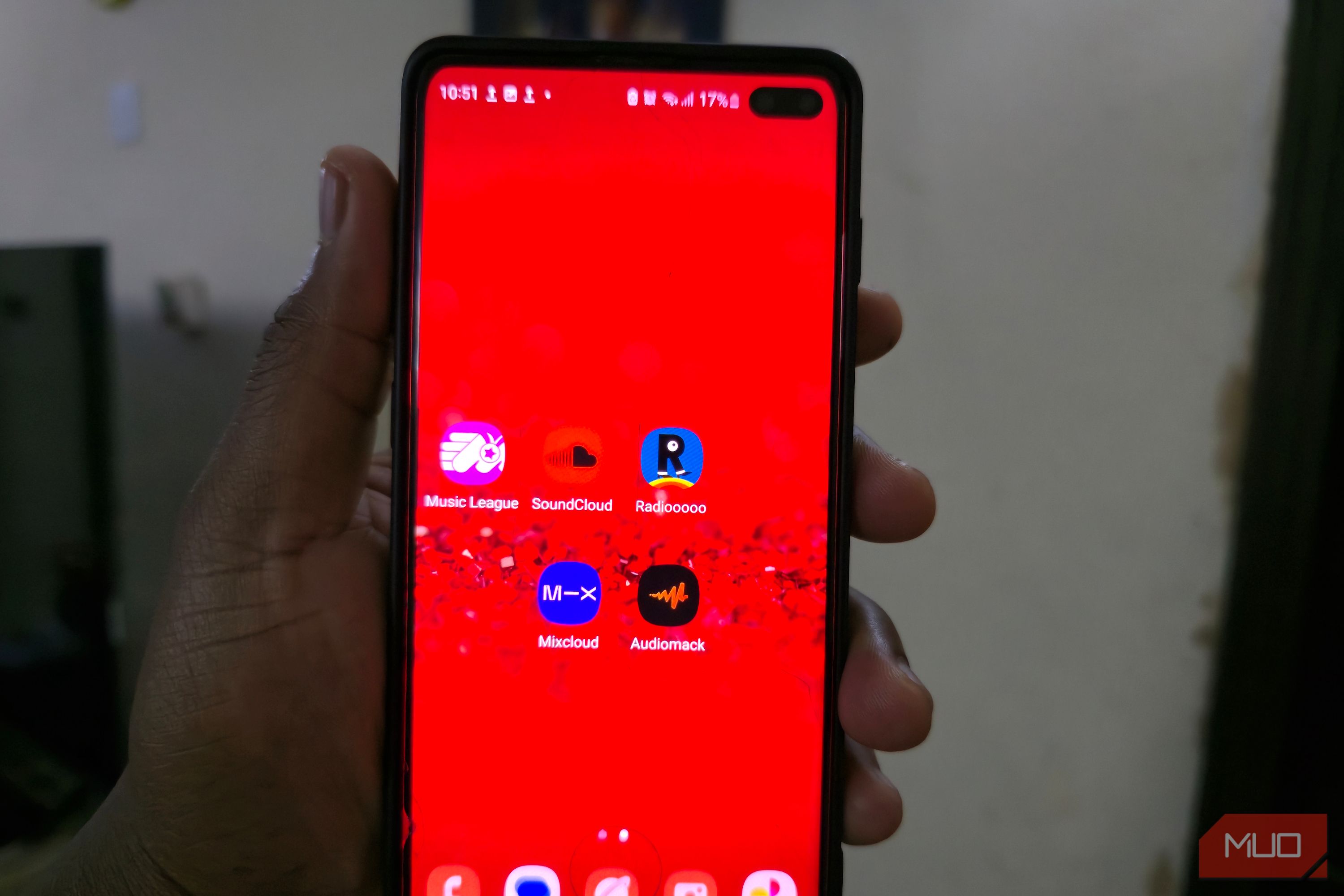
Spotify knows my taste almost too well. That’s usually a good thing until Spotify’s decade-old Discover Weekly playlist starts sounding like it’s circling the same neighborhood with different street names. I get variations on artists I already know, songs that sit right next to music I already play, and genres I’ve spent years training Spotify to recognize as safe bets. Spotify has been giving listeners more control over discovery, including its newer Prompted Playlist beta, and I still use the service every day. I just wanted to explore other ways to discover music where its recommendation algorithm has less influence over what I hear next. Looking beyond Spotify led me to a much broader mix of discovery methods, including human curators, regional charts, community-driven recommendations, and long-form DJ sets that can take you somewhere an algorithm probably wouldn’t. SoundCloud still feels like the internet’s basement venue Follow scenes before they hit your usual playlists SoundCloud is the obvious pick here, although I think its discovery side gets overlooked precisely because the name is so familiar. Its catalog is crawling with independent releases, remixes, DJ sets, edits, demos, and artists who haven’t yet wandered into the playlists I usually run across on bigger streaming services. I get much better results when I use SoundCloud like a community instead of treating it as another homepage full of recommendations. I’ll follow a smaller artist, check who reposted a track, poke through playlists made by listeners with similar taste, then keep following related uploads until I’ve drifted pretty far from anything Spotify would have guessed for me. That makes SoundCloud especially good when I want to hear music while it’s still bouncing around inside a scene, before somebody files it into a tidy playlist category and hands it an algorithm-friendly label. Audiomack is great for seeing what’s bubbling up Charts get more interesting when you leave the global one Audiomack has become one of my favorite places for figuring out what’s gaining traction in specific corners of music. Its Trending section, charts, and curated playlists cover genres including hip-hop, Afrobeats, R&B, amapiano, dancehall, reggae, Latin music, electronic music, and plenty more. The regional angle is what keeps me browsing. I can jump into Afrosounds, Caribbean music, hip-hop, or another category and get a much more focused snapshot of what’s popular on Audiomack in that market rather than waiting for those tracks to cross into the playlists Spotify already knows I like. Audiomack also has a strong independent and mixtape culture, so I regularly run into rising artists alongside established names. It’s a good place to browse with very little agenda and come away with three artists I’d never typed into a search bar. Music League turns discovery into friendly competition Your friends become the recommendation engine Music League comes at music discovery from a completely different angle. You join or start a league, each round gets its own theme, everyone submits a song, and those picks become the round’s playlist. From there, people listen, vote, leave comments, and rack up points across multiple rounds. You’ll need to connect Spotify or Apple Music to play, although a free Spotify account works fine. The prompts can get wonderfully specific, which is half the fun. One round might ask for the best cover song, another for a track with an absurd bass line, and another for whatever you’d want playing during a 2 a.m. road trip. I end up hearing songs because another person connected them to an idea, a memory, or a dumb joke, rather than because an algorithm noticed I’ve been replaying the same three artists all week. The experience lives or dies by the people in the league, though. If you get a group with wildly different tastes, the playlist can turn into a glorious little pileup of genres, eras, and left-field picks, which makes Music League one of the easiest ways I’ve found to spend an evening rummaging around inside somebody else’s musical brain. Radiooooo makes geography my recommendation engine Pick a country and start time traveling No, I didn’t lean on the O key by accident. Radiooooo really is spelled like that. Once you get past the name, though, it has one of the more inventive approaches to music discovery I’ve found. I pick a country and a decade on its map, hit play, and it starts serving up human-curated music tied to that place and period. That changes the way I browse in a pretty satisfying way. I can drop into 1970s Brazil, hop over to 1980s Japan, or stay put and move backward through a country’s musical history one decade at a time. Taxi mode gets even looser by stringing together different countries and eras, which is great when I want the musical equivalent of getting on a bus without checking the route first. Some features are locked behind a paid tier, so the free version has its limits. Even so, the core idea works extremely well for discovery because geography gives me a completely different reason to explore music I probably never would have reached through artist-based recommendations. Mixcloud works better when I want the whole set Context can sell me on a song Mixcloud scratches a nearby itch, though I mainly use it for DJ mixes, radio programs, and long-form sets. Genre pages and charts give me an easy starting point when I want to browse outside the creators I already follow. A track also lands differently when I hear it in somebody’s sequencing. The record before it sets up the mood, the transition changes how I hear it, and the next choice can explain why the DJ put it there in the first place. I’ve had tracks grow on me halfway through a long set that I probably would’ve skipped within seconds in a normal recommendation queue. When one sticks, I can hunt it down afterward and save it wherever I normally listen. If let you experiment without buying a full DJ setup.Spotify can keep the library job I haven’t stopped using Spotify, and I don’t particularly want to. It’s still where most of my everyday listening happens, and I already have years of playlists sitting there. Spotify also has plenty of hidden features worth knowing about beyond the recommendation tools that originally sent me looking elsewhere. I’ve just stopped asking one recommendation system to handle all of my exploring. Following an unknown producer on SoundCloud, browsing a regional Audiomack chart, losing a Music League round to a song I end up loving, or trusting a radio host gives me enough distance from my usual listening habits that finding something new actually feels new again.