Summary
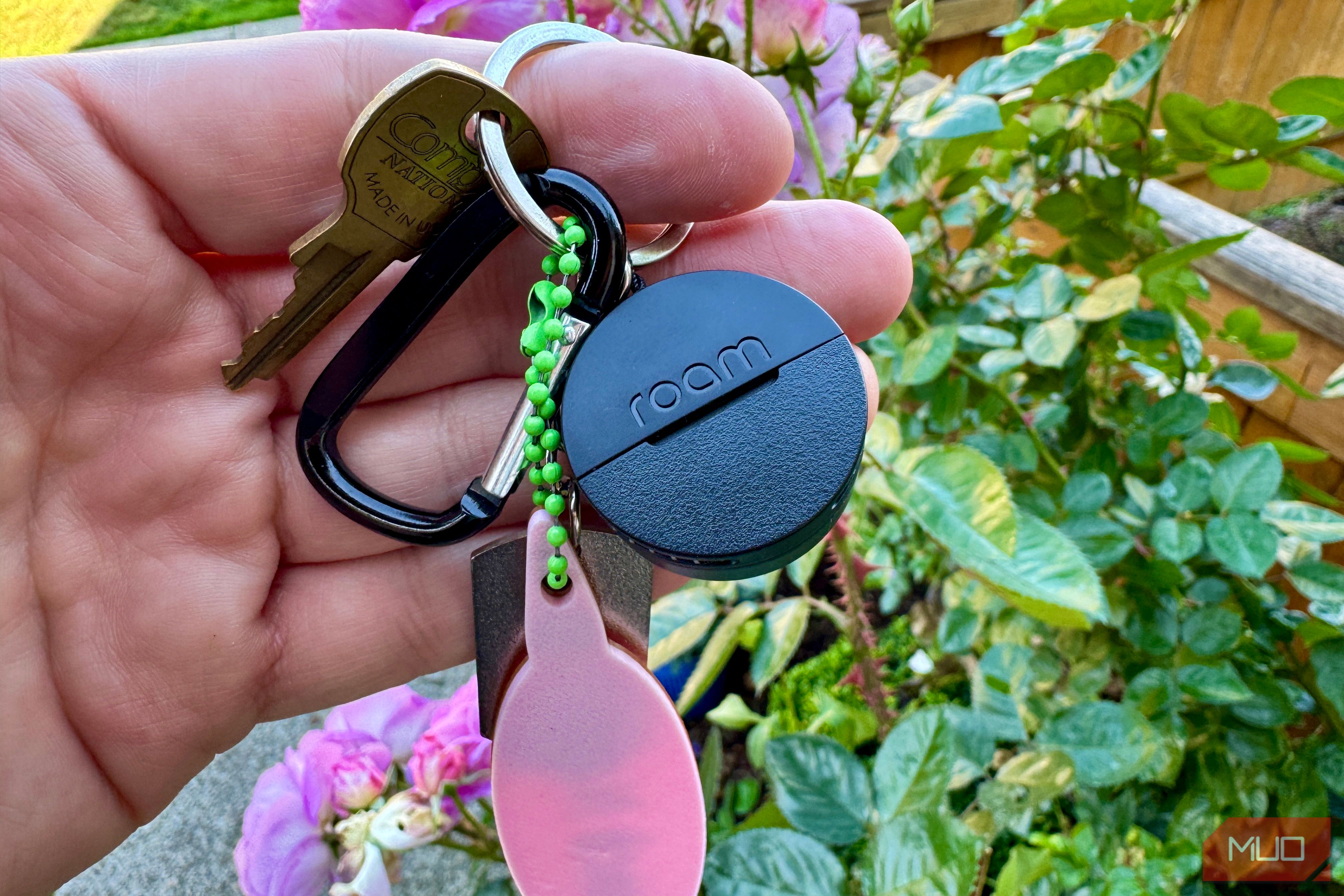
Roam sent me their AirTag competitor a while back, and I’ve got to admit, I’m impressed. At 120), the Roam tracker has a ton of advantages over Apple’s little white button AirTags. Even with the new AirTags that launched this past January, adding a louder speaker and a longer range of finding, this small UK-designed tag does several things that Apple’s doesn’t. Here’s a list of what I think AirTags should copy from this lovely little tracker. Roam’s PR team sent the review unit to me, but had no say in this article, nor did they see it ahead of publication. It works with Android phones One tag, all your handsets Roam pairs with Apple Find My and Google Find Hub with no extra app and no subscription. AirTags require an iPhone or iPad running iOS or iPadOS 26 and above. Android users can only read an AirTag via NFC and only if it’s in Lost Mode. Roam only uses one network at a time, so you’ll need to choose Apple or Google per tag, which is fine, to be honest. You can always switch networks by removing it from one and repairing it to the other, which Roam says takes less than a minute. In my setup, I used Apple’s Find My, and it was ready to go right away. If you’re in a mixed=phone household, or use more than one type of phone, the advantage is still there. You can buy a single brand of tracking device and then set it up on a per-phone, per-tracker basis. Plus, since they come in pretty macaron-style colors, you could color code your Roam trackers per network. Roam isn’t the only one that does this, of course, as other trackers that support both networks include Chipolo Pop and Pebblebee Tag Universal. The strap is built in, so there’s no 35](https://www.apple.com/shop/product/mkg04zm/a/airtag-finewoven-key-ring-burgundy)), or printing your own. Other ways to attach an AirTag are similar add-ons, like wallets and dog collars with AirTag holders built in. Does the strap on the Roam Tracker make it bulkier? Maybe a little, but I haven’t had an issue with it snagging on anything while I’ve had it strapped to a carry-on luggage, my backpack, or even on, yes, a set of keys. It’s a little bulkier than an AirTag, for sure, but once you put your AirTag into a holder, there’s not a whole lot of functional difference. And, so far, the elastic has stayed stretchy and tight; I have no reason to think it will stop being useful for a long time. A QR code lets anyone return it without an NFC tap Help from strangers with any phone Each Roam device gets a unique QR code, and anyone can scan it with their phone camera. Even my mom can do that. When you scan it, you’ll get an email with a what3words location (within a 3-meter square), and they’ll see a custom message you can leave for them. Sure, Apple has something similar for non-Apple users, but it requires a phone with NFC. They’ll see your contact info, but only after you’ve switched on Lost mode, and only if the person who finds it knows they’ve got to tap the white side of the AirTag. iPhone owners can use Find My > Items > Identify Found Item, but you’ll still have to switch on Lost Mode first. The edge with Roam is the visible QR code: everyone knows how to use these. Cheaper by the handful Get four of these to save 29.99, it’s a dollar more than Apple’s 24.75 each. Roam’s Five for Four bundle works out to 14.99 each. Add the savings from not having to buy a key chain holder or other case for the AirTag, and it’s a big savings. Sure, Roam’s pricing is promotional and could end at some point, but for now, the money you save could buy you another tracker or two. Roam is all about the colors And they have less eco impact I mentioned it above, but Roam Trackers come in good-looking colors that remind me of macaron desserts. You can get a Roam in black, blue, green, pink, gray, and yellow. Apple will only sell you the single white and silver AirTag. Sure, it’s iconic, but Roam will coordinate better with your luggage, clothing, or backpack. The studio that designed these, Tangerine, says the body of the Roam uses 100% recycled plastic, while Apple only uses 85% plastic in the enclosure. If that matters to you, Roam wins. Roam is louder I tested it with the original AirTag I don’t have one of Apple’s newer, louder AirTags, so I can’t speak to their relative volume. I did test the Roam Tracker’s finding volume against my original AirTag, though, and the Roam is significantly louder. I put each one in the garage, under the couch, and deep in a cross-body bag hanging on the coat rack. In each case, the Roam was much easier to hear and then find. That alone is worth the price to me, since I often rely on the audible finding systems to see where I’ve left my keys or expensive in-ear monitors. I prefer Roam to AirTags now Roam has made me a convert, and when I need more trackers, I’ll be grabbing 4 or 8 of them, assuming the deals continue to hold. I love the colors (even though my testing unit was, sadly, tech-journo black, and the louder finding sound and built-in elastic tether go a long way to making them super useful in my life. Both devices use a CR2032 battery, both last around a year, so that’s a wash as far as advantage goes. Roam is much easier to open to get to the battery, too. If you want a reliable tracker that works on iOS or Android devices, doesn’t make you figure out a way to strap them to your stuff, and is easy to find when you need to, Roam just might be the tracker for you.