Summary
Subscription fatigue is real, and I’ve been slowly building a digital music library to lessen my reliance on streaming services like Apple Music. In parallel, I’ve assembled a physical media collection of vinyl records, CDs, and cassettes with some of my favorite music. As a result of that hard work, if music streaming services disappeared from the face of the earth today, I wouldn’t miss them.
I have a sustainable, self-hosted media library that didn’t cost a fortune to put together, and it’s all thanks to an affordable USB accessory most people forgot about: the external optical drive. It’s inexpensive, connects to modern laptops and computers, and lets you take advantage of plummeting CD prices.
Apple Music is losing its luster
The ads and redesigns are distracting from the music
I’ve been paying for my Apple Music subscription for over a decade. Before that, I was a Beats Music subscriber. You might not remember it, but Beats Music was the music streaming service from Beats by Dre that became the foundation of Apple Music following the acquisition.
When I originally joined Apple Music in 2015, I paid for the subscription service by purchasing physical gift cards that could be redeemed for one year of access. It’s safe to say a lot has changed since then. Apple Music is just one of many streaming services I pay for monthly in 2026, and prices continue to rise.
If I tallied up how much I’ve spent on music streaming services over that span, it’d probably break into the quadruple-digit range. And if I cancel Apple Music, my handcrafted library disappears.
The value proposition isn’t the only thing pushing me to consider leaving Apple Music behind. I chose Apple Music over Spotify and YouTube Music for its light, ad-free software experience. Apple Music is hardly minimal or ad-free these days. I see ads for concert tickets and distracting album artwork animations in the app, and all I really want from Apple Music is its namesake: music.
If you’re tired of paying for music streamers like me, starting your own digital library might seem daunting. There aren’t many ways to legally acquire high-quality song files, and the accessibility of lossless audio on Apple Music, Tidal, Amazon Music, and Spotify is hard to ignore.
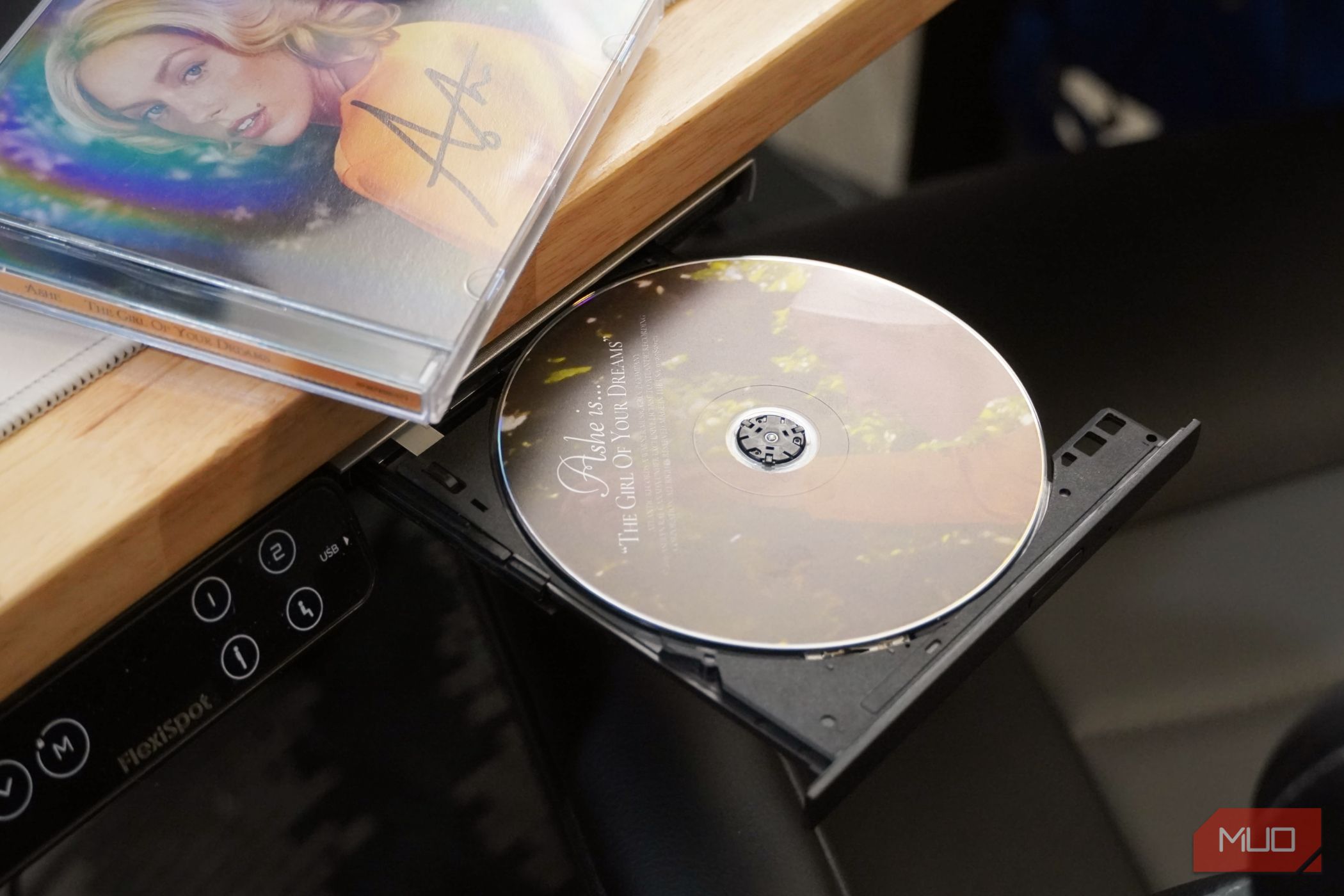
Luckily, there are alternatives. Qobuz is a digital music storefront that lets you buy lossless FLACs for almost any album, but the prices are steep. The better way is to acquire cheap secondhand CDs and rip them, creating your own lossless digital files. I don’t use any computers with an optical drive these days, so I turned to a 10 for used CDs, and I paid under 40 external optical drive and used CDs from the dollar bin. If you’re tired of paying monthly for music you don’t actually own, putting together a digital library with CDs could be the alternative you’re looking for.
 ASUS ZenDrive Ultra External DVD Writer
- Power
- USB-powered
- Speed
- USB 2.0: Up-To 480Mbps
- Connection
- USB 2.0 (Type-C)
- Brand
- Asus This USB optical drive from Asus connects to any modern computer or laptop and supports CD/DVD reading and writing. I’ve used it with Macs and Windows PCs to rip and burn audio CDs while building a self-hosted lossless music library.